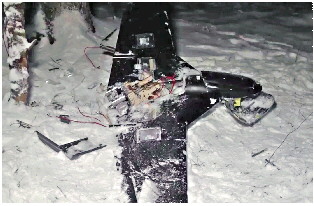
俄乌冲突谈判

Search documents
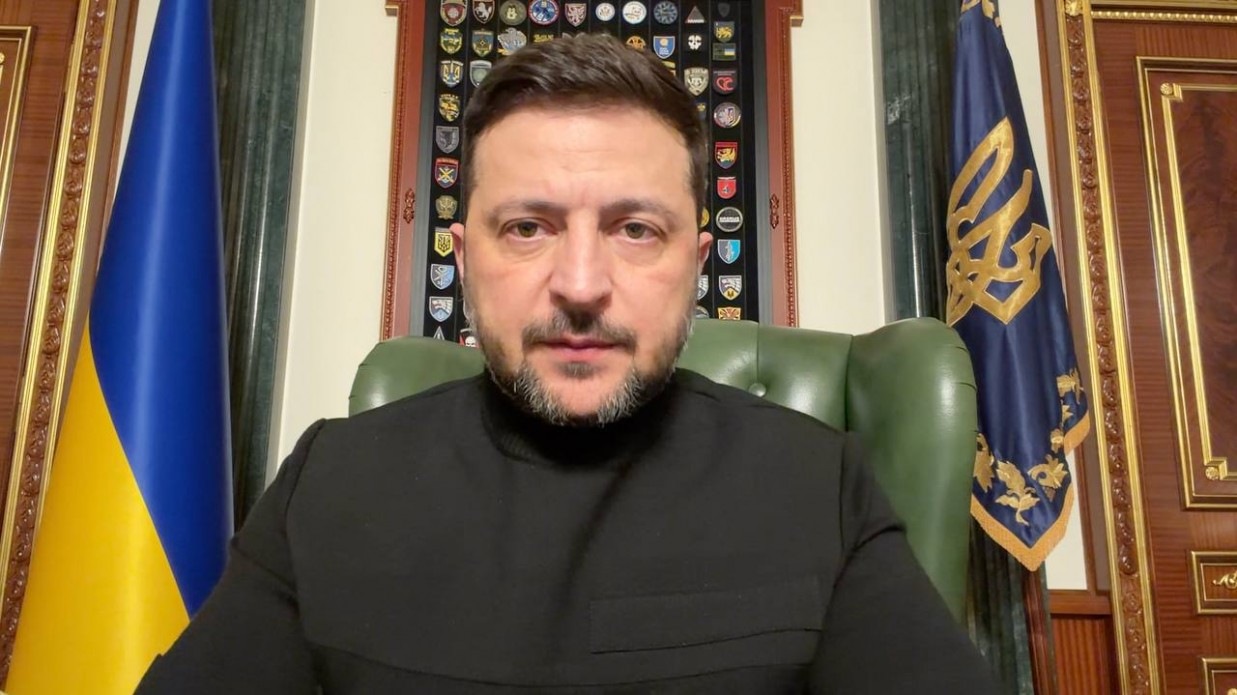
泽连斯基抱怨:特朗普总是要求乌克兰让步,这不公平
Xin Lang Cai Jing· 2026-02-18 07:00
Core Viewpoint - The ongoing negotiations between the U.S., Ukraine, and Russia regarding the conflict are facing significant challenges, particularly around territorial control in the Donbas region, with Ukrainian President Zelensky expressing skepticism about Russia's willingness to end the war [1][3]. Group 1: Negotiation Dynamics - U.S. President Trump is advocating for Ukraine to make concessions for peace, which Zelensky finds unfair, emphasizing that the Ukrainian people will not accept territorial losses [1][3]. - Zelensky has indicated that direct talks with Putin may be the best way to achieve breakthroughs on territorial issues, and he has instructed his team to propose a leaders' meeting in Geneva [3][4]. - The U.S. mediators have suggested a potential withdrawal of Ukrainian forces to create a demilitarized "free economic zone" in Donbas, but Zelensky insists that any withdrawal must be reciprocal [3][4]. Group 2: Public Sentiment and Referendum - There is a consensus between the U.S. and Ukraine that any agreement must be approved by the Ukrainian public through a national referendum, as unilateral concessions would not be accepted by the populace [3][5]. - Zelensky believes that if the agreement only involves freezing the current front lines in Donbas, it may be more palatable to the Ukrainian people [4][5]. Group 3: Ongoing Conflict and Future Elections - Despite ongoing discussions, ground fighting and long-range strikes between Russian and Ukrainian forces continue, indicating that key territorial issues remain unresolved [5]. - Zelensky has hinted that any future elections could occur during a fragile ceasefire, suggesting he may still be a candidate depending on public sentiment [5].

乌谈判代表团团长:乌美俄三方会谈首日谈判结束,明日将继续
Xin Lang Cai Jing· 2026-02-17 23:50
Group 1 - The core point of the news is the ongoing trilateral talks between Ukraine, Russia, and the United States in Geneva, focusing on practical issues and potential decision-making mechanisms [1][2] - Ukrainian representatives expressed gratitude towards the constructive interaction and efficient working attitude of their American partners during the first day of negotiations [1] - Ukrainian President Zelensky highlighted that despite the commencement of talks, Russia continued its large-scale airstrikes against Ukraine on the same day [1] Group 2 - The trilateral talks are scheduled to take place from February 17 to 18 in Geneva, with Russian, American, and Ukrainian delegations present [2] - The Russian delegation is led by presidential aide Medinsky, while the U.S. delegation includes special envoy Kushner and representative Wietekow [2] - The talks are being held behind closed doors, with no expectations for announcements on the first day, and decisions to be made on-site by the delegations [2]
泽连斯基:美方提议在迈阿密举行俄乌会谈,乌方已同意
Xin Lang Cai Jing· 2026-02-07 10:25
Group 1 - The core viewpoint of the article is that Ukraine is set to participate in negotiations with Russia, proposed by the United States to be held in Miami, with the aim of ending the conflict before summer this year [1] - Ukrainian President Zelensky confirmed the continuation of prisoner exchange operations, indicating ongoing preparations for a new phase of work [1]
俄美乌新一轮会谈现场曝光 泽连斯基:预计很快交换战俘
Xin Jing Bao· 2026-02-04 23:52
Core Insights - The ongoing negotiations between Russia, the United States, and Ukraine are expected to continue, with a prisoner exchange anticipated soon [1] - Ukrainian President Zelensky emphasized the need for a definitive end to the conflict, indicating a clear stance from Ukraine [1] - U.S. Secretary of State Rubio noted that while progress has been made in the negotiations, the most challenging issues remain unresolved [1] Group 1 - Zelensky delivered a video address on February 4, stating that trilateral talks will proceed and a prisoner exchange is expected shortly [1] - The latest round of negotiations took place in Abu Dhabi, UAE, where Zelensky received updates from the Ukrainian delegation [1] - Discussions included the phase results of the negotiations, highlighting Ukraine's firm position on ending the conflict [1] Group 2 - The U.S. has been involved in the talks, with the Ukrainian team also engaging with American representatives [1] - Despite some progress in the negotiations, key issues that are considered the most difficult have yet to be resolved [1]
泽连斯基:新一轮乌美俄三方会谈将于2月4日和5日举行
证券时报· 2026-02-01 13:34
Group 1 - The core viewpoint of the article is that Ukrainian President Zelensky has expressed readiness for substantial dialogue in upcoming trilateral talks scheduled for February 4 and 5 in Abu Dhabi, aiming for a dignified resolution to the conflict [2] - Zelensky emphasized the necessity of direct contact with Russian President Putin to address territorial issues, indicating that without such engagement, the negotiation team cannot reach an agreement [2] - Ukraine is open to meetings with both Russia and the United States in any form, and hopes for European involvement at some stage of the negotiations [2]

俄美乌三方首轮会谈细节披露
财联社· 2026-01-25 00:08
Core Viewpoint - The recent trilateral talks in Abu Dhabi between Ukraine, the United States, and Russia have shown some progress on military issues, but no agreements were reached on territorial matters [1]. Group 1: Meeting Structure and Outcomes - The talks were divided into two phases: the first day focused on preliminary discussions, while the second day involved expanded delegations addressing political and military groups separately [1]. - The military group discussions yielded some progress, particularly regarding the need for a mechanism to supervise troop disengagement, ceasefire, and conflict action cessation [1]. - A consensus was reached to prepare terminology definition documents before the next round of talks [1]. Group 2: Political Stance and Future Negotiations - Significant differences remain in the political group, with Ukraine insisting that territorial discussions should be based on the current contact line, while Russia demands Ukrainian troop withdrawal from unoccupied areas in Donetsk [1]. - The next round of negotiations is scheduled to continue in a similar format approximately one week later [2].
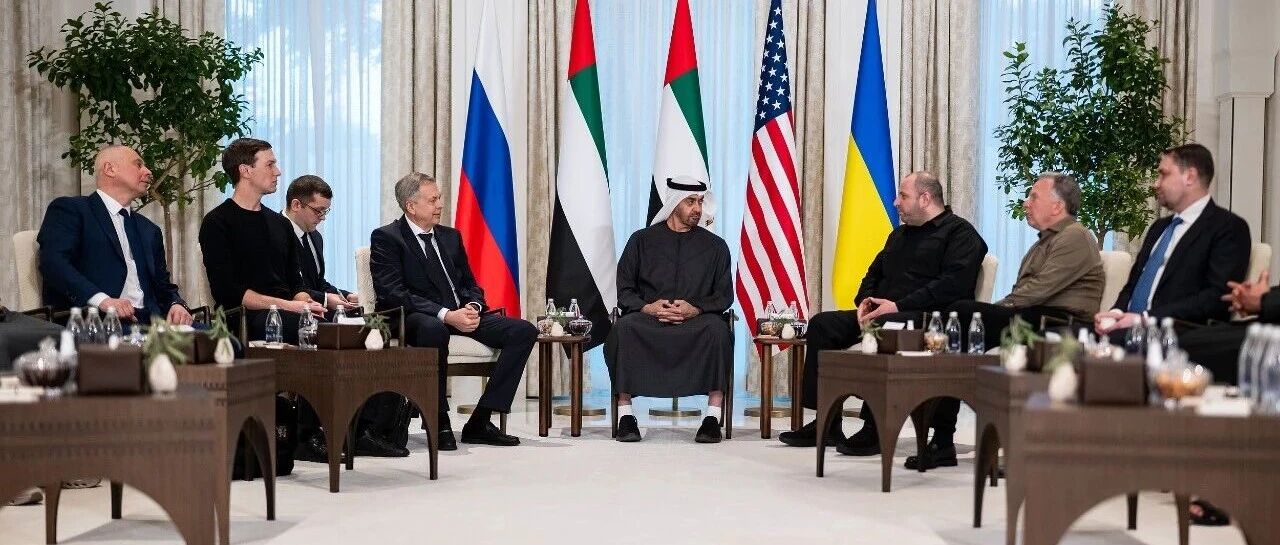
俄美乌三方会谈领土问题无共识
Xin Lang Cai Jing· 2026-01-24 23:42
Core Viewpoint - The trilateral talks between Ukraine, the United States, and Russia in Abu Dhabi made progress on military issues but reached no consensus on territorial matters [1] Group 1: Meeting Details - The talks were held in two phases: the first day focused on preliminary discussions, while the second day involved expanded delegations dividing into political and military groups [1] - The military group discussions showed some progress, addressing issues such as troop disengagement, ceasefire supervision mechanisms, and the establishment of a ceasefire monitoring and coordination center [1] Group 2: Political Stance - The political group revealed significant differences in positions, with Ukraine insisting that territorial discussions should be based on the current contact line, while Russia maintained that Ukraine should withdraw troops from unoccupied areas in the Donetsk region [1] - Russia initially opposed the involvement of NATO, the OSCE, and European countries supporting Ukraine in the supervision mechanism but later accepted a proposal involving only the three parties [1] Group 3: Future Negotiations - The parties agreed to continue negotiations in the same group format approximately one week later, with preparations for relevant terminology definition documents before the next round of talks [1] - The current round of talks did not address energy ceasefire issues, and specific details regarding the positions of the parties remain unconfirmed [1]
俄美乌三方,谈完了
21世纪经济报道· 2026-01-24 23:40
Group 1 - The core viewpoint of the article is that the trilateral talks between Ukraine, the United States, and Russia in Abu Dhabi have made some progress on military issues, but no decisions were reached on territorial matters [1][3][4] Group 2 - The talks were conducted in two phases, with the first day focusing on preliminary discussions and the second day expanding into political and military subgroups [3] - In the political subgroup, significant differences remain, with Ukraine insisting that territorial discussions should be based on the current contact line, while Russia demands the withdrawal of Ukrainian troops from unoccupied areas in Donetsk [3] - The military subgroup discussions showed some progress, addressing the need for troop disengagement, ceasefire supervision mechanisms, and the establishment of a ceasefire monitoring and coordination center [3] - Russia initially opposed the involvement of NATO, the OSCE, and European countries supporting Ukraine in the supervision mechanism but later accepted a proposal involving only the three parties: Russia, Ukraine, and the U.S. [3] - The talks did not cover energy ceasefire issues, and the parties agreed to continue negotiations in the same subgroup format approximately one week later [3]
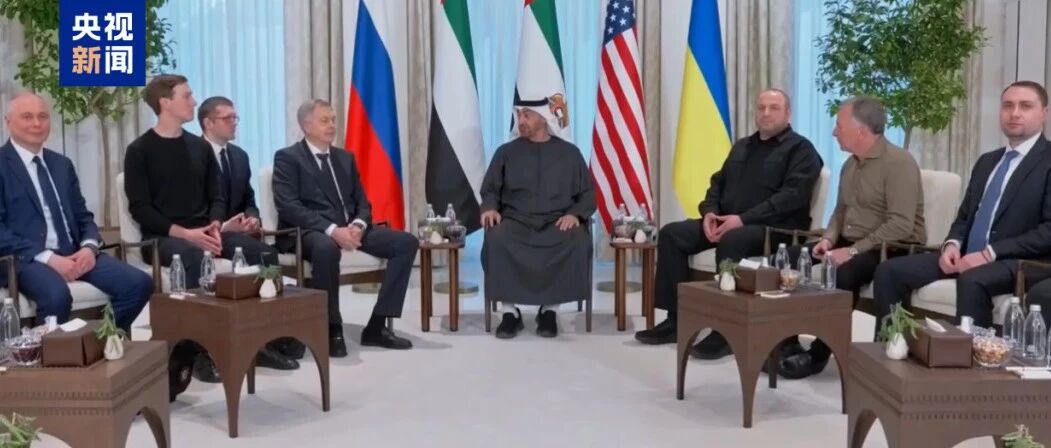
阿联酋:俄美乌举行三方会谈
Xin Lang Cai Jing· 2026-01-24 12:26
Core Viewpoint - The meeting in Abu Dhabi marks the first tripartite contact between Russia, the United States, and Ukraine since the escalation of the Russia-Ukraine conflict in 2022, focusing on security issues and lasting two days [1][2]. Group 1: Meeting Details - The meeting was hosted by the UAE, with high-level participation from representatives of the three countries, including U.S. Special Envoy Wittekov and Jared Kushner, Russian General Staff Intelligence Director Gerasimov, and Ukrainian National Security and Defense Council Secretary Danilov [1][2]. - The confirmation of the meeting occurred on the same day as the meeting itself, following a significant discussion between U.S. representatives and Russian President Putin [2]. Group 2: Key Issues and Positions - Russia's bottom line, as emphasized by President Putin, is that Ukraine must relinquish control of the entire Donbas region, a condition that Ukraine finds unacceptable [2]. - U.S. media outlets have characterized the meeting as a "technical negotiation" rather than a "peace negotiation," indicating a cautious approach to expectations [2]. - Ukrainian President Zelensky stated that the current focus of negotiations is on the specific conditions for ending the war, suggesting that it is premature to draw conclusions about the negotiation content [2]. Group 3: Potential Outcomes - Analysts believe that while significant differences remain among the parties, the likelihood of a comprehensive peace agreement in the short term is low. However, achieving consensus on localized ceasefires, prisoner exchanges, or securing food and energy supply routes could be seen as important initial successes [2].
乌欧“不认”:纯属捏造
Xin Lang Cai Jing· 2026-01-01 16:39
Core Viewpoint - The article discusses the recent drone attack on President Putin's residence in Russia, the subsequent responses from Ukraine and Europe, and the implications for ongoing negotiations regarding the Ukraine conflict. Group 1: Incident Details - On December 28, 2025, Ukraine allegedly launched a targeted drone attack involving 91 drones against Putin's residence in Novgorod region, which was described as a well-planned provocation [3][4] - Russian military reported that all Ukrainian drones were intercepted and the presidential residence was not damaged [3][5] - Military expert Knutov stated that the complexity of the attack indicated prior planning and possible coordination with European nations [3] Group 2: Russian Response - Following the attack, Russia announced an adjustment in its negotiation stance regarding the Ukraine conflict, with military targets and timing for retaliation already determined [4][5] - Kremlin spokesperson Peskov characterized the attack as a terrorist act aimed at undermining peace negotiations facilitated by the U.S. [4][5] Group 3: International Reactions - Ukrainian President Zelensky dismissed Russian claims as fabrications intended to disrupt cooperation with the Trump administration [5][6] - Trump expressed skepticism about the attack's occurrence, indicating that he was informed by Putin but remained uncertain about the details [6] Group 4: Diplomatic Developments - On December 31, 2025, discussions among the U.S., Europe, and Ukraine were planned to address security guarantees and potential military presence in Ukraine [7][8] - French President Macron emphasized that the "Volunteer Alliance" countries would make specific commitments to protect Ukraine and ensure peace in Europe [7] Group 5: Military Strategy - Russian military leadership announced plans to expand a "security zone" in northeastern Ukraine to protect Russian border regions from potential threats [9] - The established security zone currently covers approximately 950 square kilometers, including 32 towns and cities [9]