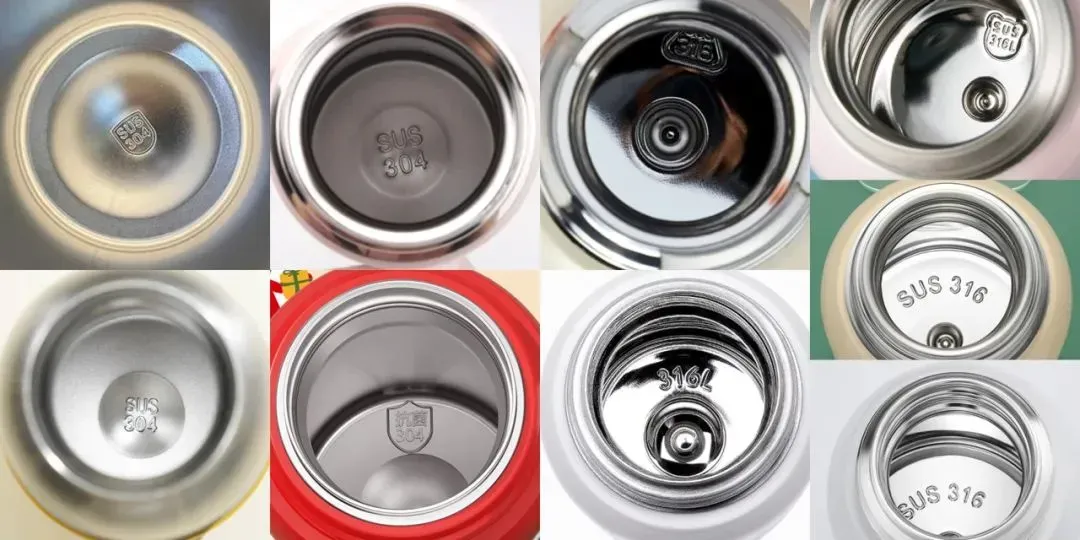
保温杯使用注意事项

Search documents
突然炸了!杭州女子吓懵:热水喷射,被烫到水泡密密麻麻!不少人家里也有
Xin Lang Cai Jing· 2026-01-10 05:03
Core Viewpoint - The article highlights the dangers associated with using low-quality thermos cups, which can lead to serious injuries, as illustrated by a recent incident where a woman suffered burns due to a thermos cup explosion [1][2]. Group 1: Incident Overview - A woman in Hangzhou received a thermos cup as a promotional gift after purchasing certain products, which later exploded when she attempted to sanitize it with boiling water, resulting in second-degree burns on her feet [1][2]. - The incident is not isolated, as similar cases have been reported, indicating a pattern of accidents involving thermos cups under specific conditions [3][5]. Group 2: Causes of Explosion - The primary reasons for thermos cup explosions include: 1. Microbial fermentation, where bacteria in the cup can produce gas when food items like red dates or goji berries are soaked, increasing internal pressure [6]. 2. Chemical reactions, particularly when cleaning agents react with residues in the cup, generating gas that can lead to pressure buildup [7]. 3. Forceful shaking of the cup after adding hot water and effervescent tablets, which can significantly increase internal pressure [8]. Group 3: Safety Recommendations - Consumers are advised to choose thermos cups from reputable brands with quality certifications to avoid low-quality products that may lack proper sealing and pressure resistance [5]. - It is recommended to avoid filling thermos cups with boiling water, shaking them, or storing easily fermentable foods for extended periods [14]. - When cleaning thermos cups with descaling agents, users should not seal the lid tightly or shake the cup to prevent pressure buildup [14].

这种保温杯别再用了,可能引发慢性中毒
Yang Shi Xin Wen· 2025-10-28 02:12
Core Points - The article discusses the health risks associated with using certain types of thermos cups, particularly those made from non-food grade stainless steel materials [1][3] - It emphasizes the importance of selecting thermos cups made from safe materials, specifically 304 and 316 stainless steel, which meet national safety standards [4][6] Group 1: Types of Stainless Steel - 201 stainless steel is not food-grade and is primarily used for industrial purposes, posing health risks due to high manganese content that can leach into beverages [3] - A study by the Beijing Consumer Association found that 19 out of 50 thermos cups tested were marked as "unqualified products" due to excessive heavy metal content, often linked to the use of 201 stainless steel [3] Group 2: Safe Materials - 304 stainless steel is recognized as food-grade, with low manganese content and good corrosion resistance, while 316 stainless steel offers even better corrosion resistance due to the addition of molybdenum [6] - The national standard GB 4806.9-2023 outlines the acceptable levels of heavy metals and migration limits for food contact metal materials [4] Group 3: Selection Guidelines - Consumers are advised to check labels for product information, including the type of stainless steel used, and ensure it is marked with "304" or "316" [6][7] - The thermos cup should be odor-free, with a uniform appearance and no visible defects, and should pass tests for thermal insulation and sealing performance [7] Group 4: Beverages to Avoid - Certain beverages like tea, milk, soy milk, carbonated drinks, fruit juices, and traditional Chinese medicine should not be stored in thermos cups due to potential health risks and chemical reactions with the metal [9][10][11][12] - For example, storing milk can lead to bacterial growth, while acidic beverages can corrode the metal and leach harmful substances [10][11] Group 5: Safety Precautions - It is recommended to fill thermos cups below the rim to prevent spills and burns, and to supervise children using thermos cups to avoid burns from hot liquids [14]