304不锈钢保温杯

Search documents
这种保温杯别再用了,可能引发慢性中毒
Yang Shi Xin Wen· 2025-10-28 02:12
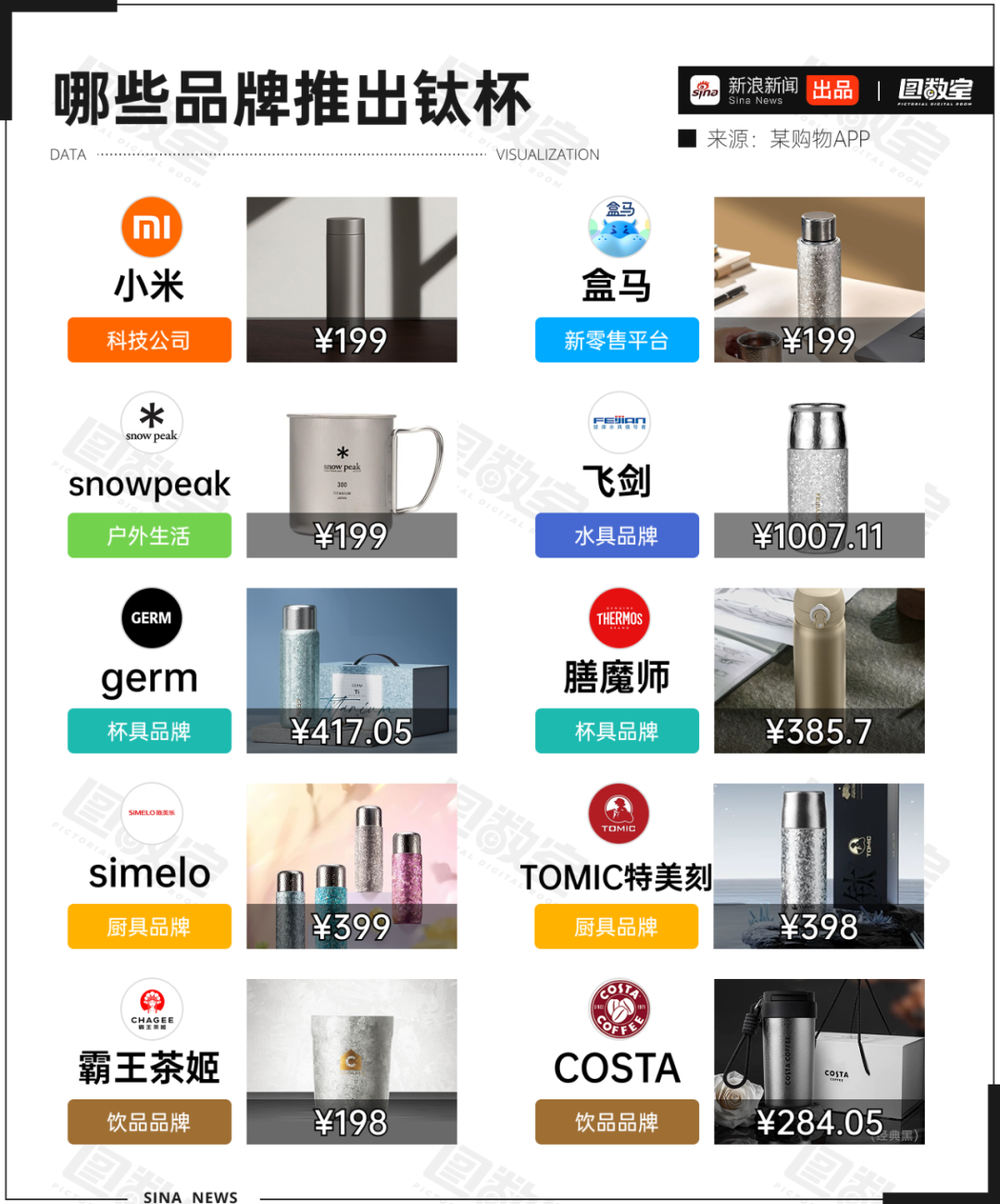
Core Points - The article discusses the health risks associated with using certain types of thermos cups, particularly those made from non-food grade stainless steel materials [1][3] - It emphasizes the importance of selecting thermos cups made from safe materials, specifically 304 and 316 stainless steel, which meet national safety standards [4][6] Group 1: Types of Stainless Steel - 201 stainless steel is not food-grade and is primarily used for industrial purposes, posing health risks due to high manganese content that can leach into beverages [3] - A study by the Beijing Consumer Association found that 19 out of 50 thermos cups tested were marked as "unqualified products" due to excessive heavy metal content, often linked to the use of 201 stainless steel [3] Group 2: Safe Materials - 304 stainless steel is recognized as food-grade, with low manganese content and good corrosion resistance, while 316 stainless steel offers even better corrosion resistance due to the addition of molybdenum [6] - The national standard GB 4806.9-2023 outlines the acceptable levels of heavy metals and migration limits for food contact metal materials [4] Group 3: Selection Guidelines - Consumers are advised to check labels for product information, including the type of stainless steel used, and ensure it is marked with "304" or "316" [6][7] - The thermos cup should be odor-free, with a uniform appearance and no visible defects, and should pass tests for thermal insulation and sealing performance [7] Group 4: Beverages to Avoid - Certain beverages like tea, milk, soy milk, carbonated drinks, fruit juices, and traditional Chinese medicine should not be stored in thermos cups due to potential health risks and chemical reactions with the metal [9][10][11][12] - For example, storing milk can lead to bacterial growth, while acidic beverages can corrode the metal and leach harmful substances [10][11] Group 5: Safety Precautions - It is recommended to fill thermos cups below the rim to prevent spills and burns, and to supervise children using thermos cups to avoid burns from hot liquids [14]

溢价75倍,单价千元的钛杯真的值吗?
Hu Xiu· 2025-04-25 11:54
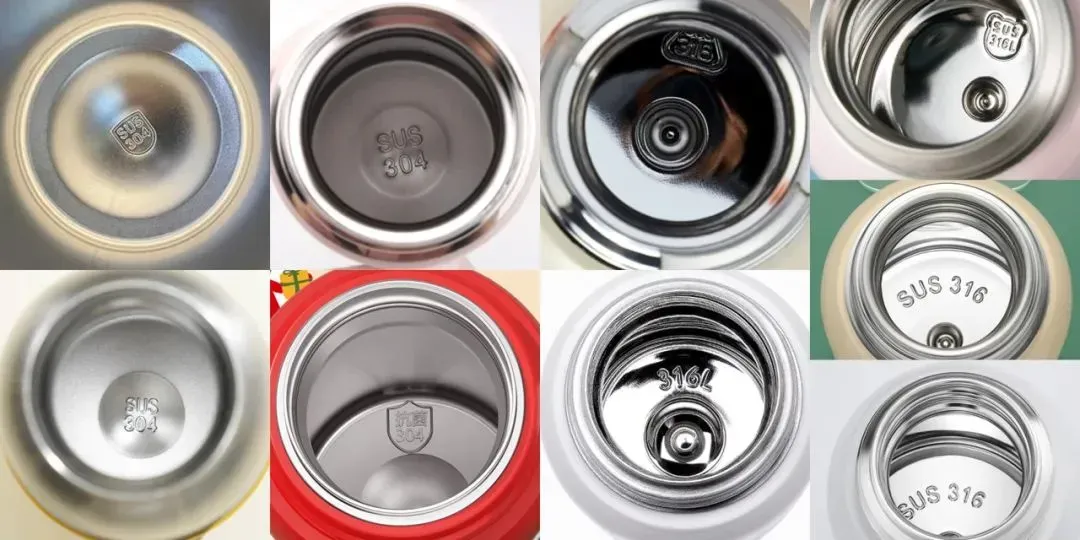
Core Insights - Titanium cups are emerging as a new "social currency" among the middle class, driven by a consumption upgrade trend led by Japanese outdoor brands and participation from domestic tech companies and beverage brands [1][3][5] Market Dynamics - China has become the core growth engine of the global titanium thermal cup market, with a market size of $21.60 million in 2023, accounting for approximately 28% of the global share, and expected to grow to $48.52 million by 2030 [12][38] - The pricing of titanium cups is significantly higher than that of traditional stainless steel cups, with consumer choices primarily in the range of 111 to 499 yuan, making up 60% of the market [8][9][30] Consumer Behavior - Titanium cups are particularly popular among young consumers aged 18 to 35, with sales exceeding expectations by 300% during the 2025 Spring Festival [4][12] - The appeal of titanium cups lies in their lightweight, durability, and aesthetic qualities, which resonate with consumers seeking a higher quality of life [26][37] Competitive Landscape - The market for titanium cups is witnessing intense competition, with various players from traditional cup manufacturers to tech giants and beverage brands entering the fray [5][6] - Brands are focusing on different aspects, such as cost-effectiveness from tech companies and alignment with brand identity from beverage brands [6][8] Material Characteristics - Titanium, once exclusive to aerospace, is now widely used in everyday products, showcasing its versatility and appeal [2][15] - The material's properties, such as corrosion resistance and lack of metallic taste, contribute to its growing popularity compared to stainless steel [33][36]