信访+网格融合模式

Search documents
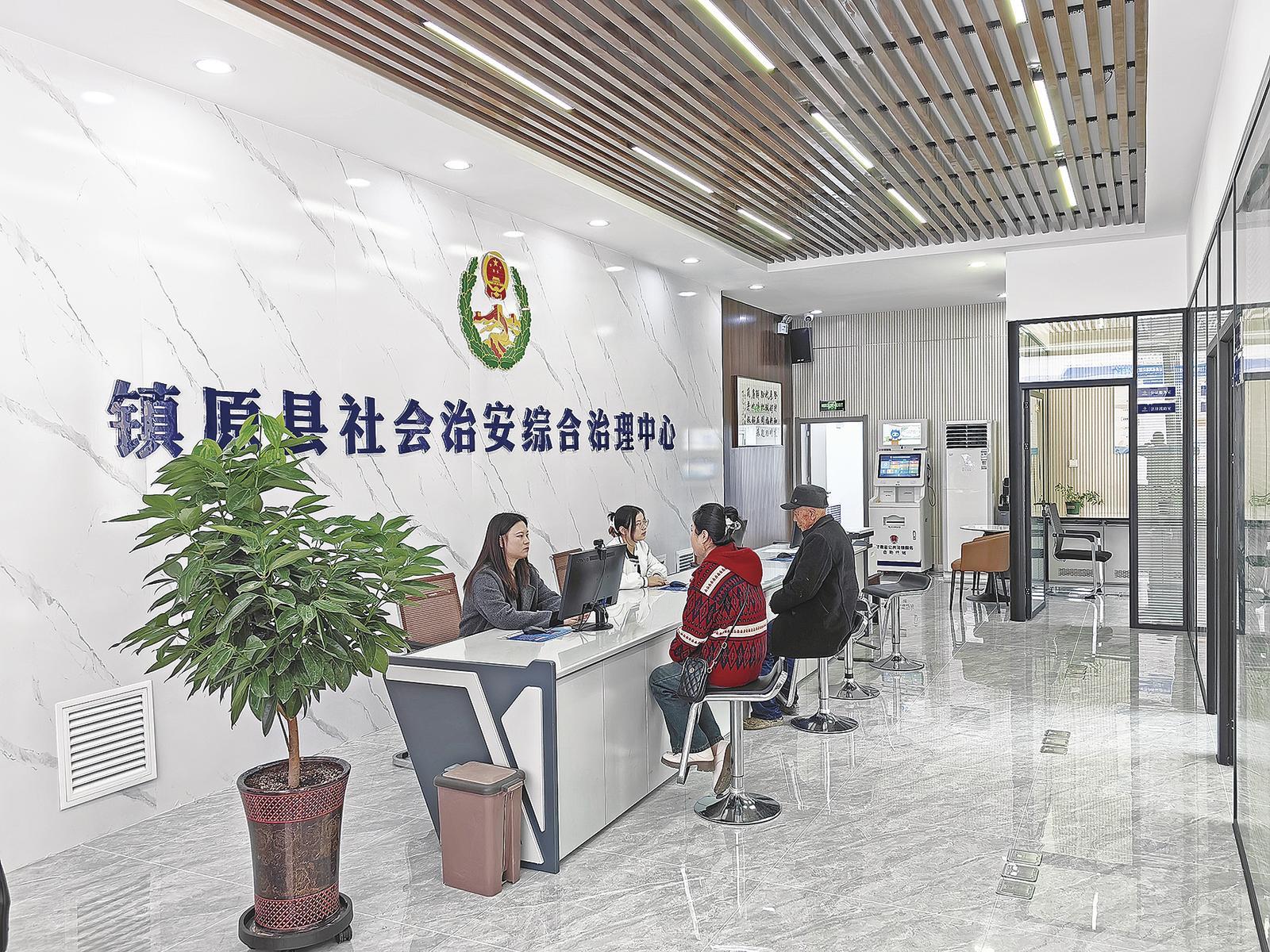
镇原县 多元联动破难题 “一站式”解纷暖民心
Xin Lang Cai Jing· 2026-02-10 01:34
Core Viewpoint - Town Yuan County has established an innovative conflict resolution system focusing on a "one-stop acceptance, full-chain resolution, and all-round service" approach to effectively address public grievances and enhance social stability [2][4]. Group 1: Conflict Resolution System - The county has built a standardized "one-stop" platform by integrating functions from various departments such as petitioning, courts, and judicial services, ensuring efficient operation and clear responsibilities [2][3]. - Since the implementation of the standardized operation of the comprehensive governance center, the county has received 130 batches of public petitions, maintaining a resolution rate and public satisfaction rate of over 98% [2]. Group 2: Efficiency and Effectiveness - A monthly public reception system by county leaders at the governance center allows for direct engagement with citizens, ensuring timely responses to their concerns [3]. - In 2025, the county successfully resolved 57 cases of petition-related conflicts, achieving a resolution success rate of 94.7% [3]. Group 3: Collaborative Network - The county has developed a comprehensive conflict resolution network that emphasizes both horizontal and vertical collaboration, ensuring over 85% of conflicts are resolved at the village level [4]. - A full-process closed-loop resolution chain has been established, enhancing cooperation among judicial bodies and relevant departments [4]. Group 4: Grassroots Engagement - The county has implemented a "petition + grid" model, dividing the area into 481 basic grids with dedicated personnel to act as the first point of contact for grievances [4]. - In 2025, grid personnel reported 97 cases of grievances, achieving a resolution rate of 95%, thereby strengthening the foundational work of the petition system [4]. Group 5: Future Plans - The county aims to further enhance the conflict resolution mechanism by optimizing service processes, strengthening resource integration, and solidifying grassroots foundations to improve the quality and efficiency of conflict resolution [4].