修宪强军

Search documents
高市早苗豪赌成功,但输掉日本国运 | 国际识局
Xin Lang Cai Jing· 2026-02-12 10:18
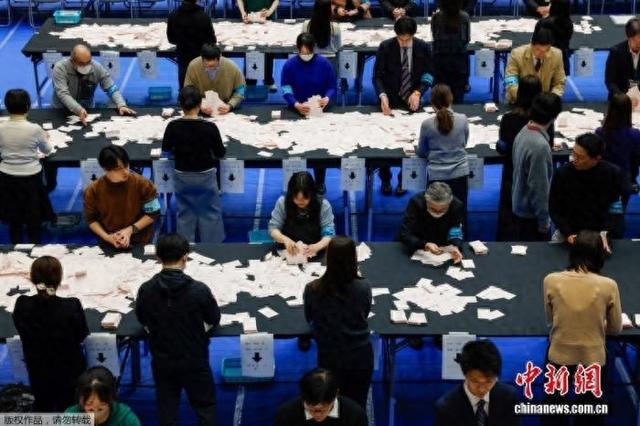
Core Viewpoint - The recent Japanese House of Representatives election, led by Prime Minister Sanna Takashi, resulted in a significant victory for the ruling Liberal Democratic Party (LDP), securing 316 seats, which exceeds two-thirds of the total [1][3] Group 1: Election Results and Implications - The LDP's overwhelming victory was both anticipated and surprising, as pre-election polls indicated a high likelihood of success, but the margin of victory exceeded expectations [3] - The election lacked substantial policy debate, focusing instead on emotional political mobilization and the personal image of Sanna Takashi, indicating a deterioration in the electoral process [3][5] - The results highlight an increasing imbalance in Japan's political landscape, with right-wing conservative forces gaining strength while centrist and leftist factions face significant setbacks [3][5] Group 2: Political Landscape Changes - The election outcome is expected to lead to a major shift in the power dynamics within Japanese politics, with right-wing conservatives taking a dominant role and the LDP returning to a state of one-party dominance [5] - The LDP is likely to face less resistance in implementing policies, potentially leading to a more aggressive right-wing agenda in both domestic and foreign policy [5][9] - Sanna Takashi's intention to amend the constitution to include the Self-Defense Forces reflects a shift away from Japan's pacifist stance, indicating a move towards strengthening military capabilities [5][9] Group 3: Risks and Challenges - Despite winning the election, there are concerns that Takashi's administration may be pursuing short-sighted policies that could jeopardize Japan's long-term stability [7] - The government's proposed "responsible active fiscal" policy faces significant risks, exacerbating national fiscal imbalances, which were not adequately addressed during the election [7] - Takashi's eagerness to engage with the U.S. on foreign policy, particularly in the context of deteriorating Sino-Japanese relations, suggests a rigid diplomatic strategy that may not align with changing U.S. foreign policy dynamics [9]