储能产业转型

Search documents
汇川技术拟赴港上市,朱兴明能否续写2800亿传奇?
Sou Hu Cai Jing· 2026-01-22 04:47
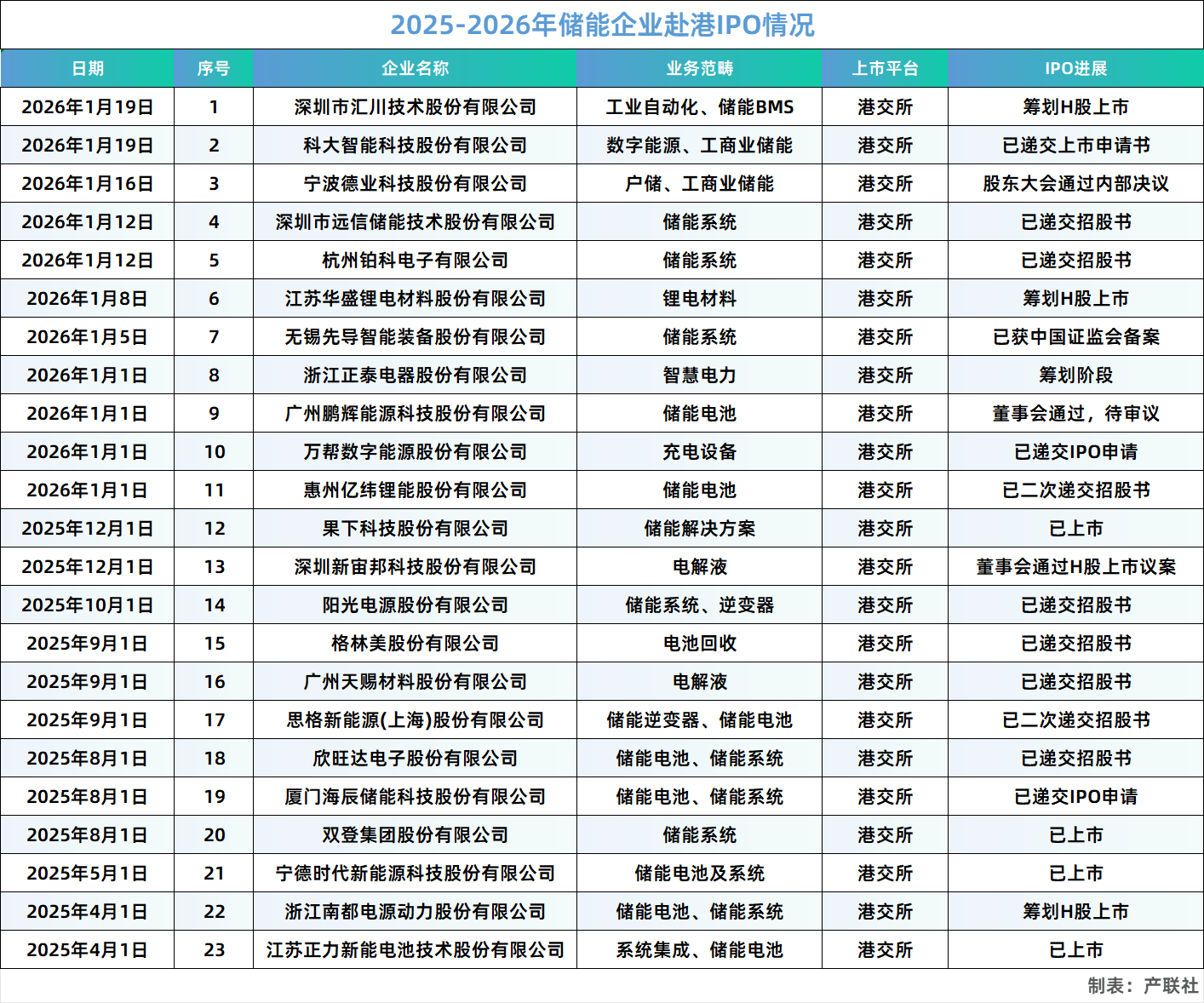
Core Viewpoint - The announcement by Huichuan Technology to initiate the overseas issuance of H-shares and list on the Hong Kong Stock Exchange marks a significant step in its globalization strategy, particularly in the context of the booming energy storage industry [2][3]. Company Strategy - Huichuan Technology, known as the "Huawei of industrial control," is embarking on its third entrepreneurial phase in the energy storage sector, which is expected to reshape the competitive landscape of the global energy storage industry [3][6]. - The company has a history of strategic pivots, having transitioned from industrial automation to electric vehicle control systems, and now to energy storage solutions, showcasing its resilience and adaptability [4][6]. Financial Performance - The total market capitalization of Huichuan Technology and its spin-off, Suzhou Huichuan United Power Systems Co., reached 280 billion yuan as of January 21, 2026 [5]. - From 2020 to 2024, the company's revenue surged from 11.5 billion yuan to 37 billion yuan, with net profit doubling to 4.285 billion yuan. In the first three quarters of 2025, revenue was 31.663 billion yuan, a 24.7% year-on-year increase, with a gross margin of 29.3% [7][8]. Market Context - The energy storage industry is undergoing a transformation, with a shift from price-driven competition to value-driven models, coinciding with Huichuan Technology's strategic return to the market [8][12]. - The Hong Kong market is experiencing a surge in energy storage IPOs, with over 30 companies expected to list in 2025, reflecting a collective recognition of the need for global capital platforms [10][12]. Competitive Landscape - The energy storage sector is characterized by intense competition among major players, including CATL and Sungrow, as well as emerging companies like EVE Energy and Aiko, all of which are accelerating their IPO processes in Hong Kong [12]. - Price pressures are evident, with a reported 25% decline in overseas energy storage system prices and a nearly 35% drop in commercial energy storage system prices in 2025 [12]. Technological Focus - Huichuan Technology is focusing on technology-driven development, positioning itself as a provider of zero-carbon system solutions and avoiding the saturated market of grid-side storage [14]. - The company has developed a comprehensive PCS matrix covering multiple scenarios and has introduced innovative business models, such as "zero down payment + profit sharing," alongside an AI energy storage scheduling platform [14]. Conclusion - The move to list on the Hong Kong Stock Exchange represents not only Huichuan Technology's strategic evolution but also reflects a broader trend of Chinese energy storage companies seeking international opportunities [15]. - The company's ability to maintain its competitive edge will depend on its technological innovation, strategic execution, and understanding of the industry's fundamentals [15].


多地出台分时电价新政 储能产业站上“转型关口”
Sou Hu Cai Jing· 2025-12-03 10:05
Core Insights - The article highlights the significant impact of regional electricity pricing policies on the profitability of energy storage projects in China, emphasizing the disparity in policies across provinces like Shandong, Jiangsu, and Zhejiang [1][2][3] Group 1: Electricity Pricing Policies - Shandong's "five-segment" pricing model has increased the peak-valley arbitrage space for energy storage projects, with deep valley prices as low as 0.2 yuan/kWh and peak prices reaching 1.2 yuan/kWh, creating a price difference of nearly 1 yuan [2] - Jiangsu has expanded the implementation of time-of-use pricing to nearly all commercial users and introduced new low valley time slots to encourage electricity consumption during peak solar generation periods [3] - Zhejiang's new pricing policy has led to a significant reduction in expected returns for energy storage projects, with weighted electricity price differences dropping from 0.8337 yuan/kWh to 0.5961 yuan/kWh, a decrease of 28.5% [3] Group 2: Industry Challenges - The energy storage industry is facing a dual challenge of "policy dividend withdrawal" and "market opportunity expansion," as the market undergoes a transformation [4] - Despite the growth in installed capacity, with over 100 million kW of new energy storage capacity by September 2023, the profitability of projects is threatened by low peak prices compared to international standards [5] - Structural bottlenecks persist, including high initial investment costs for small and medium enterprises and challenges in long-duration energy storage technology [5] Group 3: Technological and Mechanism Innovations - Industry experts suggest that technological innovation is essential for reducing costs and improving efficiency, with a target of reaching 180 million kW of new energy storage capacity by 2027 [6][7] - New business models are being explored to enhance profitability, such as demand response participation and integrating energy storage with green electricity trading [7] - Recommendations for policy improvements include establishing dynamic pricing adjustment mechanisms and enhancing cross-regional energy storage trading rules to optimize resource allocation [7]
宁德时代曾毓群:储能产品寿命被“拍脑袋”标定,未来将出现大量“孤儿”电站
Jing Ji Guan Cha Wang· 2025-09-17 11:49
Core Insights - The energy storage industry is currently undergoing a critical transformation, facing five major challenges including safety issues and intense price competition [2][3] Group 1: Safety Concerns - As of May this year, there have been 167 recorded safety incidents in the global energy storage sector, raising significant concerns about the reliability of storage systems [2] - The Beijing Dahongmen storage accident has had a profound impact, threatening to undermine public trust and investment in the industry if further incidents occur [2] Group 2: Price Competition - Over the past three years, the price of energy storage systems has decreased by approximately 80%, with recent bids for certain projects falling below 0.4 yuan per watt, which is unsustainable and deviates from actual costs [2][3] - The price war has extended to international markets, leading to rapid erosion of profit margins for storage companies and creating a competitive environment that is detrimental to long-term sustainability [3] Group 3: Product Integrity - There are issues with inflated product specifications and false advertising, as some companies focus on marketing rather than genuine research and development [3] - Research indicates that some energy storage products have operational lifespans that are only 25% of what was promised, raising concerns about product reliability [3] Group 4: Technological Homogeneity - The industry is experiencing a trend of technological sameness, with many companies opting for shortcuts such as copying existing technologies instead of pursuing independent innovation [3] Group 5: Market Saturation - The number of registered energy storage companies has exceeded 300,000, leading to a chaotic market environment that is expected to result in significant industry consolidation and the exit of many firms [3] - This could lead to the emergence of "orphan" energy storage stations, where facilities remain operational despite the parent company going bankrupt, shifting maintenance responsibilities to society and the state [3]

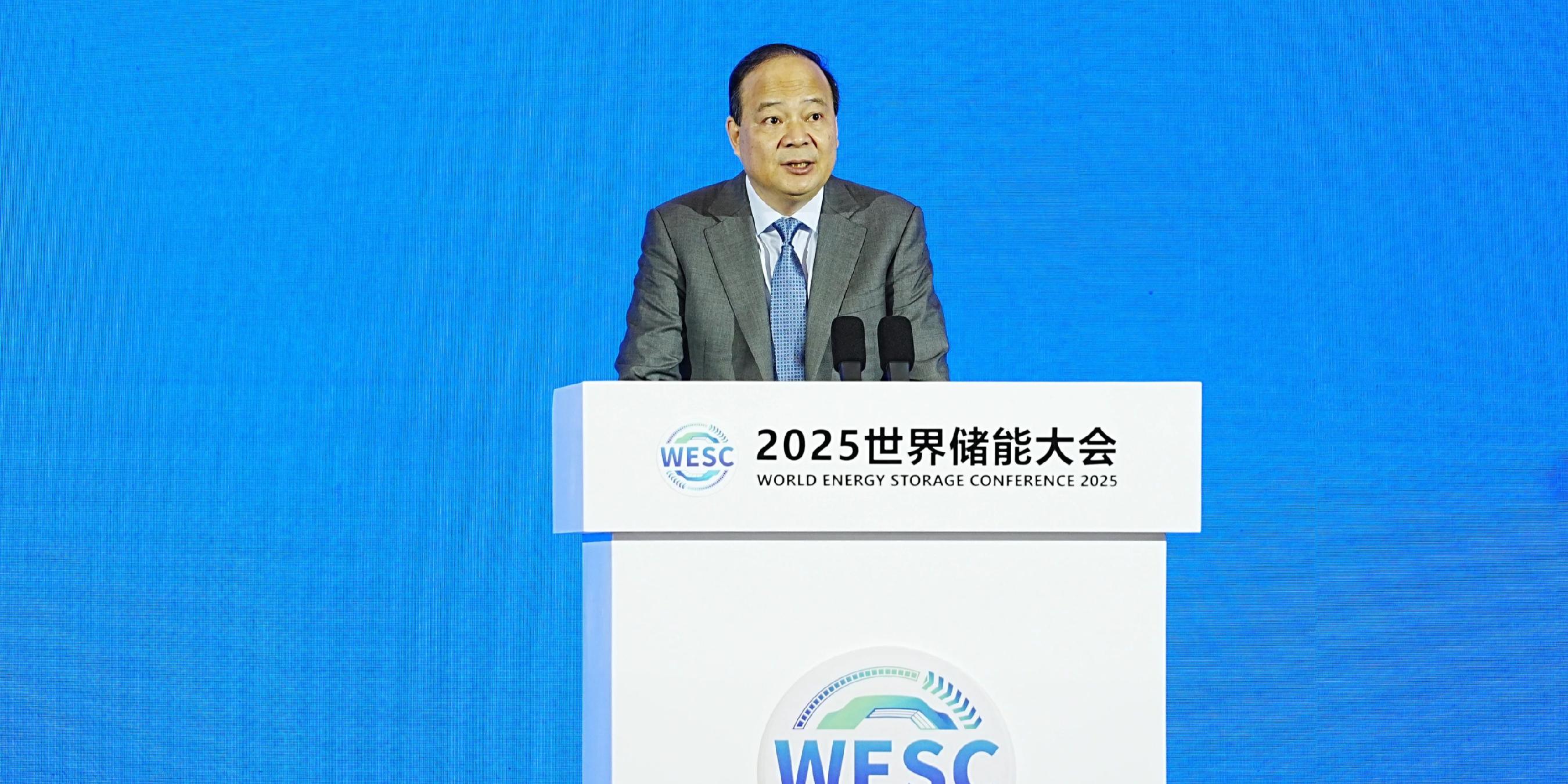
宁德时代曾毓群:储能企业已超30万家,大批被淘汰后将出现“孤儿电站”
Xin Lang Cai Jing· 2025-09-17 06:29
Core Insights - The energy storage industry is currently undergoing a critical transformation, facing five major challenges: safety hazards, intense price competition, false product specifications, technological homogenization, and disorderly expansion [1][2] Group 1: Industry Challenges - Safety hazards are a significant concern, with 167 recorded safety incidents in the global energy storage sector by May 2025. Increased operational frequency of storage systems raises safety risks [1] - Price competition is exceptionally fierce, with energy storage system prices in China dropping by approximately 80% over the past three years. Recent bidding prices have even fallen below 0.4 CNY/Wh, deviating significantly from costs, which may compromise quality and safety [1] - There are issues with false product specifications, as some companies focus on marketing rather than genuine R&D, leading to products that underperform compared to their promised lifespan [1] - Technological homogenization is becoming apparent, with many companies opting for shortcuts by copying existing technologies instead of pursuing independent innovation [1] Group 2: Market Dynamics - The number of registered energy storage companies has exceeded 300,000, leading to a potential market shakeout where many firms may be eliminated, resulting in "orphaned stations" that lack maintenance [2] - As of June 2025, China's cumulative installed capacity for power storage reached 164.3 GW, marking a 59% year-on-year increase. Projections suggest that by 2030, the installed capacity could reach 236.1 GW in conservative scenarios and exceed 291 GW in ideal scenarios, with a compound annual growth rate of over 20% in the next five years [2] - China dominates the global market, accounting for over 90% of energy storage battery shipments and over 70% of system shipments [2] Group 3: Company Performance - CATL (Contemporary Amperex Technology Co., Limited) is a leading player in both power and energy storage batteries, maintaining the top position in global power battery usage for eight consecutive years and in energy storage battery shipments for four years [2] - As of September 17, CATL's A-shares rose by 6.95% to 377.97 CNY per share, with a market capitalization of 1.72 trillion CNY. Its H-shares increased by 5.24% to 502 HKD per share, with a market capitalization of 2.29 trillion HKD [2]
宏英智能全球首发浸没式储能2.0产品 以“绝对安全”重构储能安全边界
Zheng Quan Shi Bao Wang· 2025-06-24 11:02
Group 1 - The core message of the news is the launch of the ePower A2 immersion energy storage product and mobile energy storage vehicle series by Hongying New Energy, emphasizing "absolute safety" as the foundation for innovative energy storage solutions for energy transition [1][2] - The ePower A2 product utilizes full immersion cooling technology to address thermal runaway safety issues, supporting stable supply of volatile renewable energy and aiding in the green energy transition of data centers and the construction of new power systems [1][2] - The immersion protection system completely submerges battery modules in immersion liquid, isolating oxygen and eliminating hazards at the source, with thermal runaway tests showing a maximum temperature of only 57.3°C after one hour, significantly lower than traditional cooling methods [1][2] Group 2 - The product can replace diesel generators, UPS, and storage batteries, featuring a temperature control integrated solution that enhances heat transfer efficiency and battery consistency, achieving over 90% system charge and discharge efficiency and extending overall lifespan by 30%-50% while reducing LCOE by 20% [2] - The high safety of the immersion storage technology allows for deployment in various high-safety-demand scenarios, such as data centers and charging stations, with a modular design that improves space utilization by 30% [2] - Currently, the immersion product has been applied in a data center project with a capacity of 30MW/60MWh, replacing diesel generators for emergency power supply and reducing operational costs while addressing temperature and fire safety concerns [2] Group 3 - At the launch event, Hongying New Energy established strategic partnerships with key players such as the Tonglu government and other organizations to work towards achieving zero-carbon goals [3] - The company aims to strengthen research and development efforts and collaborate with global partners to promote the energy storage industry towards a safer, more efficient, and sustainable direction, contributing significantly to global energy transition [3]