催收行业规范化

Search documents
催收行业转型探路: 标准化、精细化与科技赋能
Zhong Guo Zheng Quan Bao· 2026-02-03 22:18
Core Viewpoint - The rapid growth of personal consumer loans in China has led to significant issues in debt collection practices, prompting the China Banking Association to issue guidelines aimed at regulating these practices and enhancing the management capabilities of financial institutions [1] Group 1: Regulation of Debt Collection Practices - The guidelines prohibit debt collection calls and visits without the debtor's consent between 10 PM and 8 AM [2] - The guidelines set a limit of no more than six attempts to contact the debtor on the same day if the call is not answered, unless otherwise agreed [2] - The guidelines address long-standing issues in the industry, such as the lack of clear standards and management of external collection agencies [2][3] Group 2: Prohibited Collection Behaviors - The guidelines explicitly forbid debt collectors from using intimidation, harassment, or illegal means to collect debts, including the unauthorized use of personal information [3] - Debt collectors are not allowed to misrepresent facts, create false blacklists, or charge additional fees under false pretenses [3] - The guidelines also prohibit collectors from entering private residences or workplaces without consent [3] Group 3: Management Requirements for External Collection Agencies - Financial institutions are required to implement a management system for external collection agencies, including a whitelist management system and public disclosure of these agencies [4] - The guidelines establish standards for the entry and exit of external collection agencies and detail the core content of delegation agreements [4] - There is an emphasis on managing personnel, information security, compliance, and complaints related to external collection agencies [4] Group 4: Transition to Professional and Refined Services - The guidelines encourage financial institutions to enhance their internal management capabilities and shift from reactive to proactive management of debt collection [5] - There is a focus on integrating governance at the company level and improving decision-making processes [5] - The guidelines promote the use of financial technology to enhance the standardization and intelligence of debt collection practices [5] Group 5: Encouragement of Self-Collection and Innovation - The guidelines support self-collection efforts and technological innovation while addressing issues related to black and gray market activities [6] - Many banks are establishing their own collection teams in response to regulatory requirements and cost considerations [6] - For example, Bohai Bank has announced recruitment for collection and post-loan management positions, emphasizing the importance of effective management of overdue loans [6]
6000万贱卖总部大楼,“中国催收大王”也被催收了
凤凰网财经· 2025-12-23 13:43
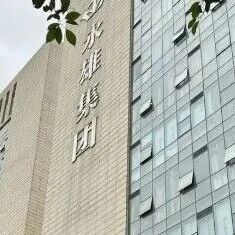
Core Viewpoint - The article discusses the rise and fall of Yongxiong Group, once a leading debt collection company in China, highlighting its financial struggles and the implications of regulatory actions on its business model [6][24][44]. Group 1: Company Overview - Yongxiong Group, founded in 2014 by lawyer Tan Man, aimed to legitimize the debt collection industry, which was traditionally viewed as a "gray area" [24]. - The company experienced rapid growth, with revenue increasing from 436 million yuan in 2016 to 758 million yuan in 2018, and net profit rising from 97.65 million yuan to 124 million yuan during the same period [27]. - At its peak, the company employed over 10,000 staff, with a significant portion being debt collectors, and had a total overdue loan amount of 446 billion yuan [29]. Group 2: Financial Distress - Yongxiong Group is currently attempting to sell its headquarters building in Changsha, reducing the asking price from 70 million yuan to 60 million yuan, indicating severe financial distress [10][17]. - The company is facing pressure to repay loans and cover operational costs, leading to a comprehensive retreat from its previous business model [18][52]. - The building has a total area of 12,700 square meters, with a selling price per square meter of 4,716.68 yuan, which is nearly 30% below the market price [12]. Group 3: Regulatory Challenges - The company faced significant legal challenges, including investigations by police that led to the detention of over 200 employees and the freezing of 48.6 million yuan in funds [38]. - In 2023, the company announced a halt to its operations, and by 2024, its workforce had dwindled from 17,000 to just over 30 employees [43]. - Regulatory scrutiny has intensified, with the introduction of national guidelines for the debt collection industry, which restricts practices that were previously common [52][53]. Group 4: Future Prospects - Following its operational halt, Yongxiong Group has rebranded itself as a technology service company aimed at supporting the debt collection industry, although its success in this transition remains uncertain [44][46]. - The company has not engaged in any new business tenders since 2021, and its website has been repurposed for unrelated content, indicating a lack of viable business direction [47]. - Despite the challenges faced, the demand for debt collection services remains high, with the non-performing loan balance in commercial banks reaching 3.5 trillion yuan by the end of Q3 2025 [52].