儒家的礼法

Search documents
王蒙说聊斋:两个段子,一个是奇闻,一个是妙悟
Bei Jing Ri Bao Ke Hu Duan· 2025-08-11 04:05
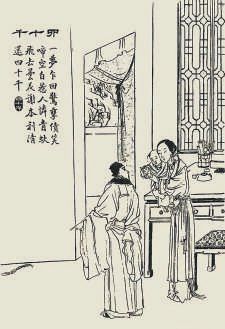
Core Points - The story serves as a cautionary tale about debt and the responsibilities of parenthood, illustrating the idea that raising children can feel like repaying a debt from a past life [4][5] - The narrative reflects on the philosophical concepts of fate and the interconnectedness of life and death, suggesting that life is a series of debts and repayments, both literal and metaphorical [6][7] - The text emphasizes the importance of enjoying life and the struggles that come with it, rather than viewing existence solely as a burden of debts to be repaid [5][6] Summary by Sections - **Debt and Parenthood**: The protagonist, a wealthy man, dreams of a debt he must repay, which he associates with the birth of his son, leading him to treat the child's upbringing as a repayment of this debt [3][4] - **Philosophical Reflections**: The story delves into Buddhist and Confucian themes, discussing the nature of existence, the inevitability of suffering, and the cyclical nature of life and death [6][7] - **Life's Enjoyment**: It argues against the notion that life is merely about repaying debts, advocating for the enjoyment of life's experiences and the fulfillment found in overcoming challenges [5][6]

《四十千》:一切偶然皆必然
Bei Jing Ri Bao Ke Hu Duan· 2025-08-07 22:03
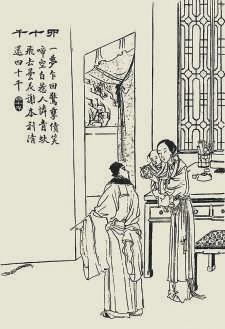
Core Insights - The story serves as a cautionary tale about debts and responsibilities, illustrating the connection between parents and children, and the burdens of life that may feel like debts to be repaid [3][4][5] Group 1: Themes of Debt and Responsibility - The narrative emphasizes the idea that raising children can be perceived as a debt from a past life, highlighting the burdens parents feel in nurturing their offspring [2][3] - The sudden death of the child after the father jokingly mentions the debt signifies the harsh realities of life and the unexpected consequences of one's words [2][4] Group 2: Philosophical Reflections - The text reflects on the Buddhist concepts of cause and effect, suggesting that life events are interconnected and that joy and sorrow are part of the human experience [5][6] - The discussion of life and death, and the notion that one does not owe anything to others, raises questions about existence and the nature of relationships [6]