儿童电子产品监管

Search documents
莫让“护娃”变“坑娃”
Jing Ji Ri Bao· 2026-01-14 22:18
Core Viewpoint - The children's smart watch, known as a "guardian device," has gained popularity among consumers since its launch, but concerns have arisen regarding its features becoming more smartphone-like, leading to issues such as children becoming addicted to social circles and exposure to inappropriate content [1] Group 1: Concerns and Issues - Parents are particularly worried about the inducement of consumption associated with children's smart watches, which has been a strong point of feedback [1] - There are risks of information leakage from these devices, which could potentially serve as tools for transmitting harmful content [1] Group 2: Recommendations for Improvement - Regulatory bodies should enhance relevant standards and regulations, focusing on the compliance of electronic products and services for children [1] - Manufacturers must adhere to their responsibilities by eliminating inducement products aimed at minors and refocusing their development on safety in positioning and communication [1] - Collaboration between parents and schools is essential to establish practical management rules tailored to the actual situations of children at different age levels, creating a robust protective network for children's healthy social interactions [1]
新华视点|“护娃神器”儿童电话手表真能放心护娃吗?
Xin Hua She· 2026-01-13 06:32
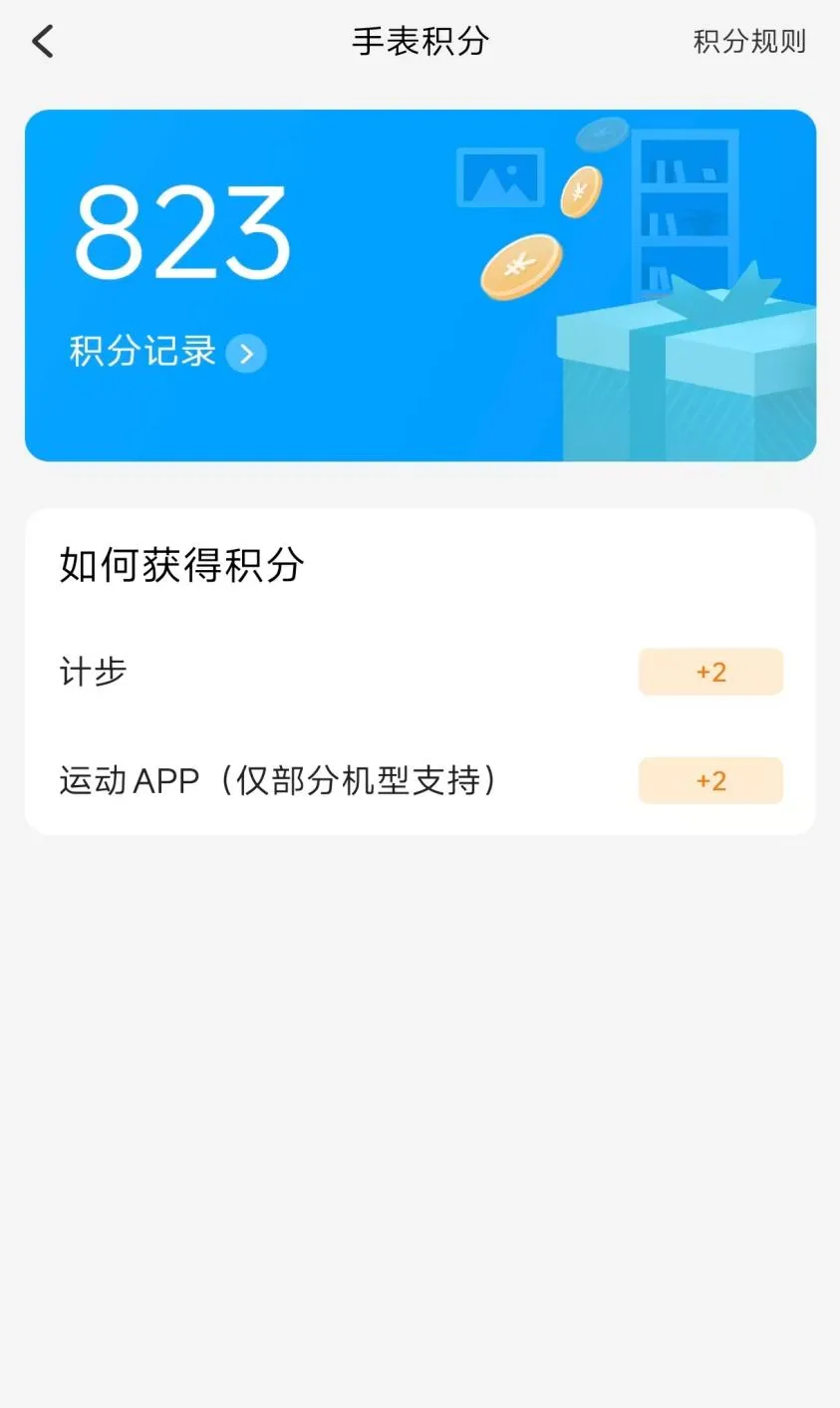
Core Viewpoint - The increasing functionality of children's smartwatches, originally designed for safety, has led to concerns about children's addiction to social features and inappropriate content, raising questions about the balance between safety and convenience [1][8]. Group 1: Social Dynamics and Behavioral Issues - Children are engaging in social comparisons through features like "likes" on their smartwatch profiles, which are seen as symbols of social status among peers [3][6]. - The design of these smartwatches encourages children to spend excessive time on them to earn points and rewards, leading to potential addiction and negative impacts on their social skills and emotional development [6][8]. - Parents report that their children are spending significant amounts of time, sometimes exceeding 10 hours a day, on these devices, focusing on accumulating points and social interactions [6]. Group 2: Safety and Security Concerns - The evolution of children's smartwatches has introduced risks related to information security, as some devices lack adequate safety features, making them vulnerable to data breaches [10]. - There are reports of children being exposed to inappropriate content through these devices, including explicit images and messages from unverified contacts [11]. - The presence of subscription services and in-app purchases has raised concerns about the potential for inducing children to spend money without parental consent [9]. Group 3: Regulatory and Parental Guidance - Experts emphasize the need for stricter regulations on children's electronic products, highlighting that companies should bear greater responsibility for the content provided to minors [19][20]. - Recent initiatives by regulatory bodies aim to address the issues surrounding children's use of smart devices, focusing on content safety and the prevention of addiction [19]. - Collaborative management between parents and schools is recommended to guide children in healthy social interactions and to establish effective rules for device usage [20].

小天才“大社交”,儿童手表竟成攀比工具?
Xin Lang Cai Jing· 2025-11-14 00:15
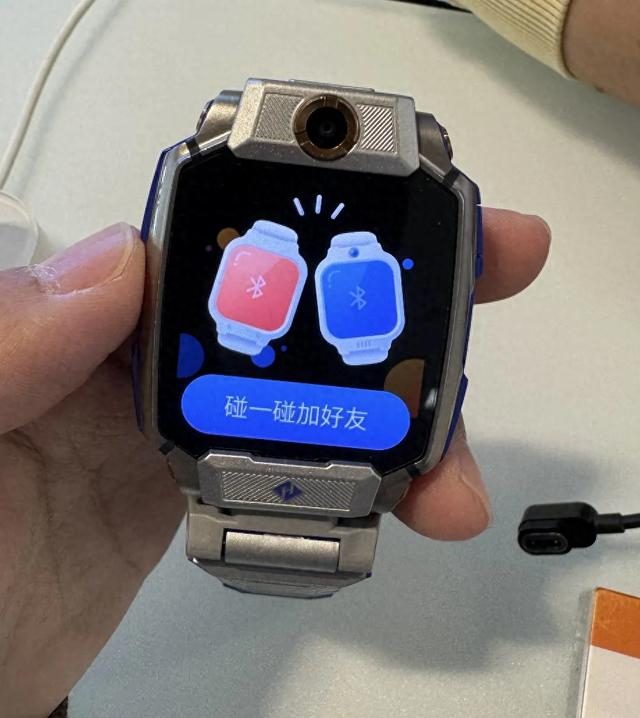
Core Viewpoint - The rise of children's smartwatches, particularly the Xiaotian genius children's smartwatch, has transformed into a social platform for middle and primary school students, raising concerns about its impact on children's development and well-being [1][3]. Group 1: Product Features and Social Impact - The Xiaotian genius smartwatch includes social features such as "one-touch friend addition" and "homepage likes," which have become popular among students, leading to a sense of achievement and social recognition based on likes [1][3]. - Children are reportedly spending several hours daily to increase their like counts, indicating a shift from the original purpose of the smartwatch as a safety device to a micro-social platform [1][3]. Group 2: Regulatory and Ethical Concerns - The introduction of social features in children's smartwatches raises questions about whether these functionalities meet children's needs or serve as consumer traps set by businesses [3][4]. - According to China's Minor Protection Law and related regulations, products aimed at minors must prevent addiction and avoid negative influences, suggesting that manufacturers have a responsibility to ensure their products do not harm children's mental health [3][4]. - Experts warn that the design of the Xiaotian smartwatch may not comply with regulatory obligations, potentially leading to corrective actions, warnings, or fines from regulatory bodies [4].