
儿童电话手表

Search documents
莫让“护娃”变“坑娃”
Jing Ji Ri Bao· 2026-01-14 22:18
Core Viewpoint - The children's smart watch, known as a "guardian device," has gained popularity among consumers since its launch, but concerns have arisen regarding its features becoming more smartphone-like, leading to issues such as children becoming addicted to social circles and exposure to inappropriate content [1] Group 1: Concerns and Issues - Parents are particularly worried about the inducement of consumption associated with children's smart watches, which has been a strong point of feedback [1] - There are risks of information leakage from these devices, which could potentially serve as tools for transmitting harmful content [1] Group 2: Recommendations for Improvement - Regulatory bodies should enhance relevant standards and regulations, focusing on the compliance of electronic products and services for children [1] - Manufacturers must adhere to their responsibilities by eliminating inducement products aimed at minors and refocusing their development on safety in positioning and communication [1] - Collaboration between parents and schools is essential to establish practical management rules tailored to the actual situations of children at different age levels, creating a robust protective network for children's healthy social interactions [1]
新华视点|“护娃神器”儿童电话手表真能放心护娃吗?
Xin Hua She· 2026-01-13 06:32
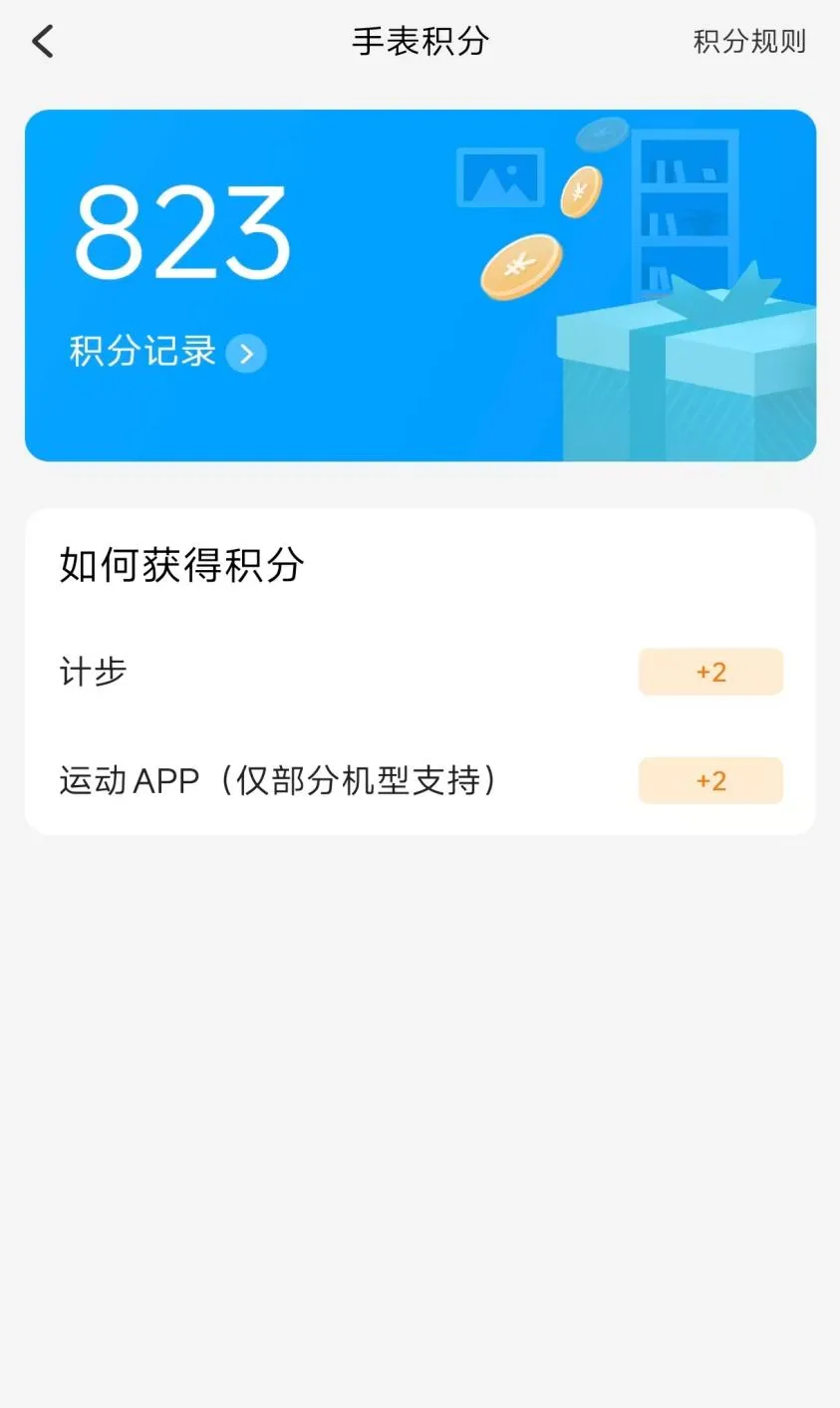
Core Viewpoint - The increasing functionality of children's smartwatches, originally designed for safety, has led to concerns about children's addiction to social features and inappropriate content, raising questions about the balance between safety and convenience [1][8]. Group 1: Social Dynamics and Behavioral Issues - Children are engaging in social comparisons through features like "likes" on their smartwatch profiles, which are seen as symbols of social status among peers [3][6]. - The design of these smartwatches encourages children to spend excessive time on them to earn points and rewards, leading to potential addiction and negative impacts on their social skills and emotional development [6][8]. - Parents report that their children are spending significant amounts of time, sometimes exceeding 10 hours a day, on these devices, focusing on accumulating points and social interactions [6]. Group 2: Safety and Security Concerns - The evolution of children's smartwatches has introduced risks related to information security, as some devices lack adequate safety features, making them vulnerable to data breaches [10]. - There are reports of children being exposed to inappropriate content through these devices, including explicit images and messages from unverified contacts [11]. - The presence of subscription services and in-app purchases has raised concerns about the potential for inducing children to spend money without parental consent [9]. Group 3: Regulatory and Parental Guidance - Experts emphasize the need for stricter regulations on children's electronic products, highlighting that companies should bear greater responsibility for the content provided to minors [19][20]. - Recent initiatives by regulatory bodies aim to address the issues surrounding children's use of smart devices, focusing on content safety and the prevention of addiction [19]. - Collaborative management between parents and schools is recommended to guide children in healthy social interactions and to establish effective rules for device usage [20].

“护娃神器”真能放心护娃吗
Xin Lang Cai Jing· 2026-01-13 03:17
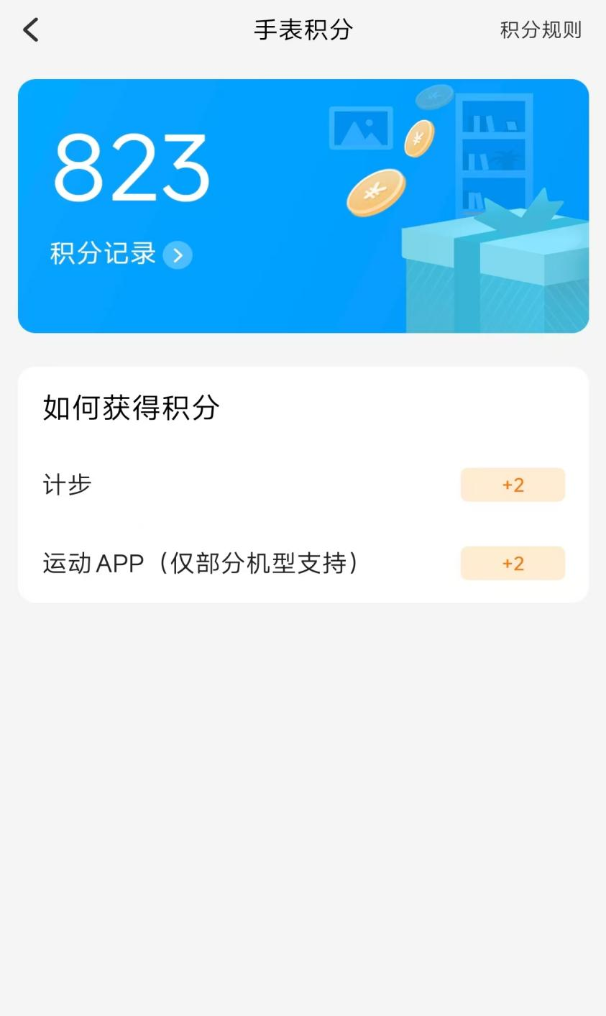
Core Viewpoint - The increasing smartphone-like features of children's smartwatches have raised concerns among parents regarding children's addiction to social circles and the presence of inappropriate content in applications [1][2][7]. Group 1: Features and Usage - Children's smartwatches, initially designed for communication and location tracking, have evolved to include social networking, entertainment, and payment functions, leading to increased competition among children [7][10]. - Many children are spending excessive time on these devices, engaging in activities such as accumulating points and likes, which are seen as symbols of social status among peers [3][6]. - The design of these devices encourages children to complete tasks for rewards, creating a complex social ecosystem that can lead to addictive behaviors [5][6]. Group 2: Parental Concerns - Parents have reported issues with unauthorized subscriptions and in-app purchases, which can be difficult to manage and cancel, raising concerns about the financial implications of these devices [8]. - The presence of applications that promote unhealthy competition and social comparison among children has been highlighted as a significant issue [17][18]. - There are also concerns regarding the potential for information leakage and exposure to inappropriate content, as some devices lack adequate security measures [9][10]. Group 3: Regulatory and Safety Measures - Regulatory bodies are beginning to take action to address the issues surrounding children's smartwatches, focusing on the safety and appropriateness of content provided to minors [17][18]. - Recommendations have been made for stricter oversight of companies producing children's electronic products, including the need for proper licensing and accountability for content [17][18]. - The importance of collaborative management between parents and schools to guide children's healthy social interactions in the digital age has been emphasized [18].
“护娃神器”儿童电话手表 真能放心护娃吗?
Xin Lang Cai Jing· 2026-01-12 16:57
Core Insights - The children's smart watch, known as a "guardian device," has evolved from basic communication and location tracking to multifunctional devices that include social networking, entertainment, and payment features, raising concerns among parents about children's screen time and safety [1][2]. Group 1: Product Features and Concerns - The children's smart watch has increasingly adopted features similar to smartphones, leading to a competitive environment among children and potential information security risks [2]. - Many children's smart watches come pre-installed with applications that encourage children to engage in tasks to earn points, which can lead to excessive time spent on the device [1][2]. Group 2: Consumer Issues - Induced consumption is a significant concern, as parents report unauthorized subscriptions to paid services on the watches, which can be difficult to cancel without the child's number [3]. - There are risks of information leakage, particularly with older models lacking necessary security features, making it easier for malicious individuals to access personal data [4]. Group 3: Content Regulation and Safety Measures - While major brands implement filtering mechanisms for inappropriate content, there are still ways to bypass these regulations, such as modifying parental controls without additional verification [5]. - Experts suggest enhancing the qualification review and accountability mechanisms for children's products and content providers, emphasizing the need for guidance rather than strict prohibition [6].
“护娃神器”儿童电话手表真能放心护娃吗?
Xin Lang Cai Jing· 2026-01-12 11:47
Core Viewpoint - The article discusses the growing concerns surrounding children's smartwatches, which, while initially designed for safety and communication, have evolved into devices that promote social interaction and competition among children, leading to potential addiction and safety risks [1][6]. Group 1: Social Dynamics and Competition - Children are increasingly engaged in social interactions through smartwatches, where features like "likes" on their profiles symbolize social status among peers [2][4]. - The design of these devices encourages children to complete tasks for points, creating a competitive ecosystem that can lead to excessive use and social pressure [4][5]. - Some children engage in behaviors such as "催主" (urging others for likes) and "私催" (private urging), which can lead to negative social interactions and even bullying [4][5]. Group 2: Psychological and Behavioral Concerns - Experts warn that the addictive nature of these devices can lead to issues such as decreased attention span and disrupted sleep patterns, affecting children's social skills and emotional development [5]. - Parents report significant time spent by children on these devices, with some children using them for over 10 hours on weekends [5]. Group 3: Safety and Security Risks - The evolution of smartwatches has introduced features that resemble smartphones, raising concerns about information security and the potential for children to be exposed to inappropriate content [6][9]. - There are reports of children receiving harmful content through their devices, highlighting the risks of unregulated communication features [9]. - Some older models lack necessary security measures, making it easier for malicious actors to access personal information [8]. Group 4: Regulatory and Industry Response - Regulatory bodies are beginning to take action, with initiatives aimed at improving the safety and content of children's electronic devices [12]. - Experts suggest that companies producing children's products should be held to higher standards of accountability and should undergo rigorous qualification checks [12]. - Collaborative management between parents and schools is recommended to guide children in healthy social interactions while using these devices [13].
为儿童手表立规,只是守卫成长的第一步
经济观察报· 2026-01-08 14:18
Core Viewpoint - The recent approval of the mandatory national standard "Safety Technical Requirements for Children's Watches" marks a significant regulatory step for the children's smartwatch industry, aiming to break the closed social ecosystem and reshape market dynamics [2][3]. Group 1: Regulatory Changes - The new standard requires that products allow the exchange of phone numbers and nicknames between different brands, which is expected to dismantle the existing brand loyalty that has forced parents to choose devices based on peer usage rather than functionality [2][3]. - The introduction of this standard reflects a policy commitment to prevent excessive commercial influence on children's social environments, indicating a shift towards prioritizing basic functionalities like communication and positioning in product offerings [3]. Group 2: Market Dynamics - The children's smartwatch market is projected to reach a penetration rate of approximately 35% by 2025, with nearly half of urban children expected to own such devices, highlighting the deep integration of this technology into children's growth [3]. - As social barriers between different brands are removed, parents will regain the ability to choose products based on their merits rather than social pressures, leading to a more competitive market focused on core functionalities [3]. Group 3: Social Implications - The article emphasizes that the issue of children being drawn to virtual social interactions is not solely the fault of smartwatches; it calls for a broader societal reflection on why digital interactions can be more appealing than real-life connections [4][5]. - The shift towards digital communication has resulted in a decline in traditional play experiences, with children spending less time engaging in physical activities with peers, which raises concerns about the loss of a "playful childhood" [5]. Group 4: Future Considerations - The new regulations are just the beginning; a collective societal effort is needed to preserve the valuable aspects of childhood that are not tied to technology or consumerism, emphasizing the importance of providing children with time and space for real-world interactions [5].
小学生沉迷“刷赞当大佬”,每天花几小时混圈、点赞,有高赞账号卖出上千元!电话手表社交乱象曝光
Mei Ri Jing Ji Xin Wen· 2025-12-17 10:40
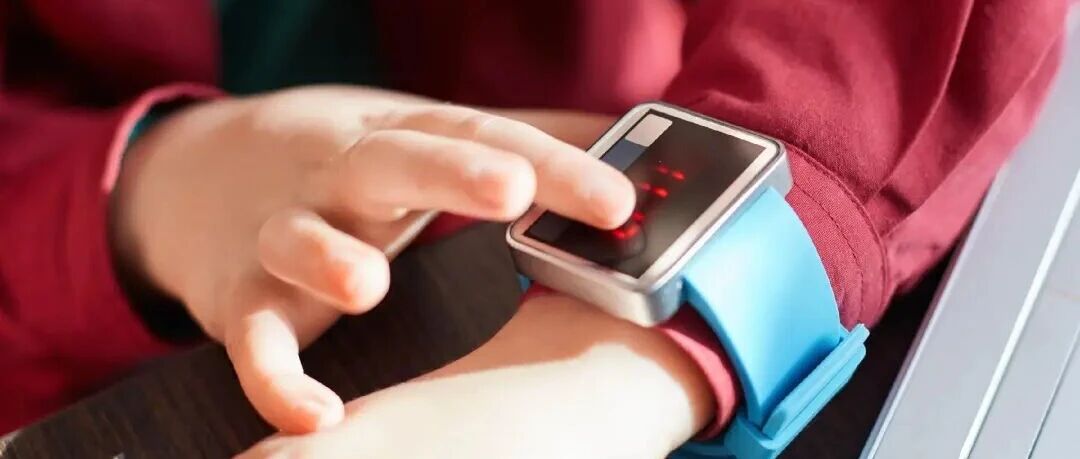
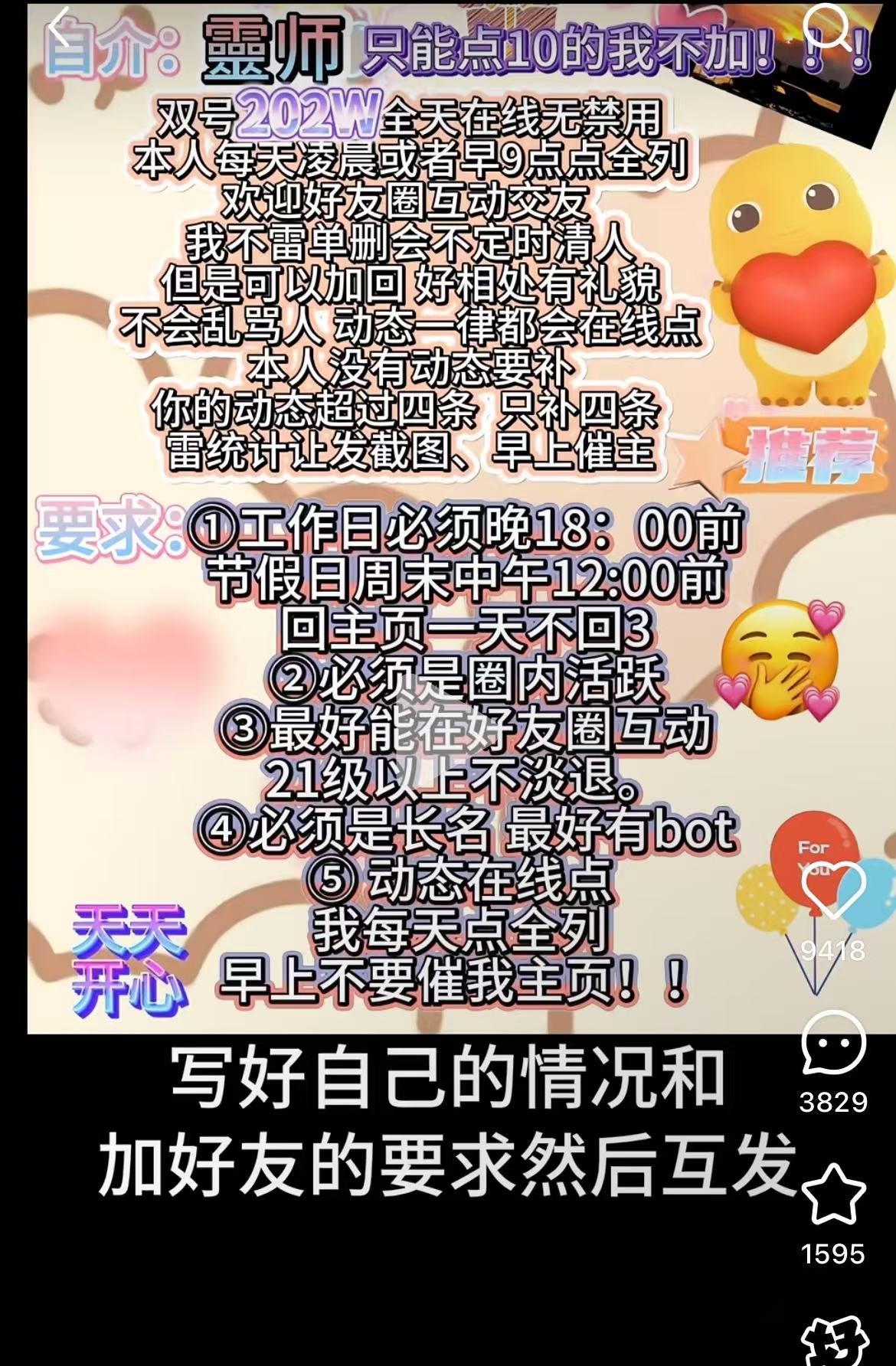
Core Viewpoint - Children's smartwatches have evolved into platforms for digital social interaction among minors, with functionalities extending beyond basic communication to include social modules that encourage competition for likes and social status [1][8]. Group 1: Social Dynamics and User Behavior - Children spend several hours daily on smartwatches, engaging in activities like "mixing circles" and "expanding lists" to enhance their social standing [1]. - The number of likes received on a child's profile directly correlates with their social status, with accounts achieving over 500,000 likes being considered "influencers" within this digital ecosystem [1]. - Some children explicitly state "expansion requirements" in their profiles, indicating the competitive nature of social interactions [1]. Group 2: Monetization and Market Dynamics - Likes can be artificially increased through paid services, with students offering to manually like posts for a fee, or through automated programs [2]. - Accounts with high like counts are being sold for prices ranging from hundreds to over a thousand yuan, indicating a burgeoning market around this social currency [8][11]. Group 3: Parental Concerns and Regulatory Responses - Parents express concerns over their children's obsession with likes and social comparisons, fearing it may lead to negative behaviors [16]. - A new mandatory national standard for children's smartwatches is set to be implemented in January 2027, which will regulate aspects such as network security, content safety, and measures to prevent addiction [19][21].

50万点赞成“大佬”?高赞账号随意买卖!儿童电话手表“变味”引担忧
Yang Guang Wang· 2025-12-17 06:32
Core Insights - The article discusses the evolving role of children's smartwatches as platforms for digital social interaction among minors, highlighting their transition from basic functions like location tracking and calling to more complex social features [1][2][3] Group 1: Features and User Engagement - Children's smartwatches now include social modules that allow users to interact through likes, friend circles, and personal profiles, resembling social media platforms [1][2] - Users can create personal profiles, share photos and achievements, and engage in a competitive environment where the number of likes and friends determines social status [2][3] - The concept of "leveling up" through likes has created a hierarchy among users, with higher levels granting more likes per day, leading to a culture of social comparison [3][6] Group 2: Market Dynamics and Parental Concerns - There is a growing market for services that help users artificially inflate their likes and social status, with some students offering paid services for likes [6][7] - Parents express concerns about the impact of these social dynamics on their children, fearing that the competitive nature of likes and levels may lead to unhealthy behaviors [7][8] - The article notes that the recent removal of certain features by a smartwatch brand did not alleviate the dissatisfaction among young users, indicating a strong attachment to these social elements [7] Group 3: Regulatory Landscape - A new mandatory national standard for children's smartwatches is set to be implemented in 2027, which will address various aspects including network security, content safety, and addiction prevention [9][10] - The standard aims to regulate the content accessible to children, ensuring it promotes healthy online behavior and does not include harmful applications [9][10] - Experts emphasize the need for a comprehensive regulatory framework that encompasses various types of children's smart devices to ensure their safety and well-being [10]
小学生沉迷“刷赞当大佬” 电话手表的社交乱象如何规范?
Yang Shi Xin Wen· 2025-12-17 05:00
Core Viewpoint - Children's smartwatches have evolved into platforms for digital social interaction among minors, with functionalities extending beyond basic communication to include social modules that encourage competition and validation through likes and rankings [1][13]. Group 1: Social Dynamics and User Behavior - Children are spending several hours daily on smartwatches, engaging in activities like "mixing circles" and "expanding lists," where they showcase personal profiles and achievements, similar to social media platforms [1]. - The number of likes received on a profile is directly linked to the user's social status, with accounts achieving over 500,000 likes being considered "influencers" within this digital ecosystem [1]. - Some children explicitly state "expansion requirements" in their profiles, indicating the competitive nature of social interactions, which can lead to unhealthy behaviors [1][13]. Group 2: Monetization and Market Practices - Likes can be artificially increased through paid services, with students offering to boost likes for a fee, highlighting a market for social validation [2]. - The practice of purchasing high-status accounts or automated liking services raises concerns about the integrity of social interactions among minors [2]. Group 3: Parental Concerns and Regulatory Responses - Parents express worries about the competitive atmosphere fostered by these devices, fearing that children may resort to unethical means to gain social status [13]. - A recent decision to temporarily remove certain features from a children's smartwatch brand indicates a response to these concerns, although dissatisfaction among users persists [13]. - The introduction of mandatory national standards for children's smartwatches, effective from January 1, 2027, aims to regulate aspects such as network security, content safety, and measures to prevent addiction [14][15].
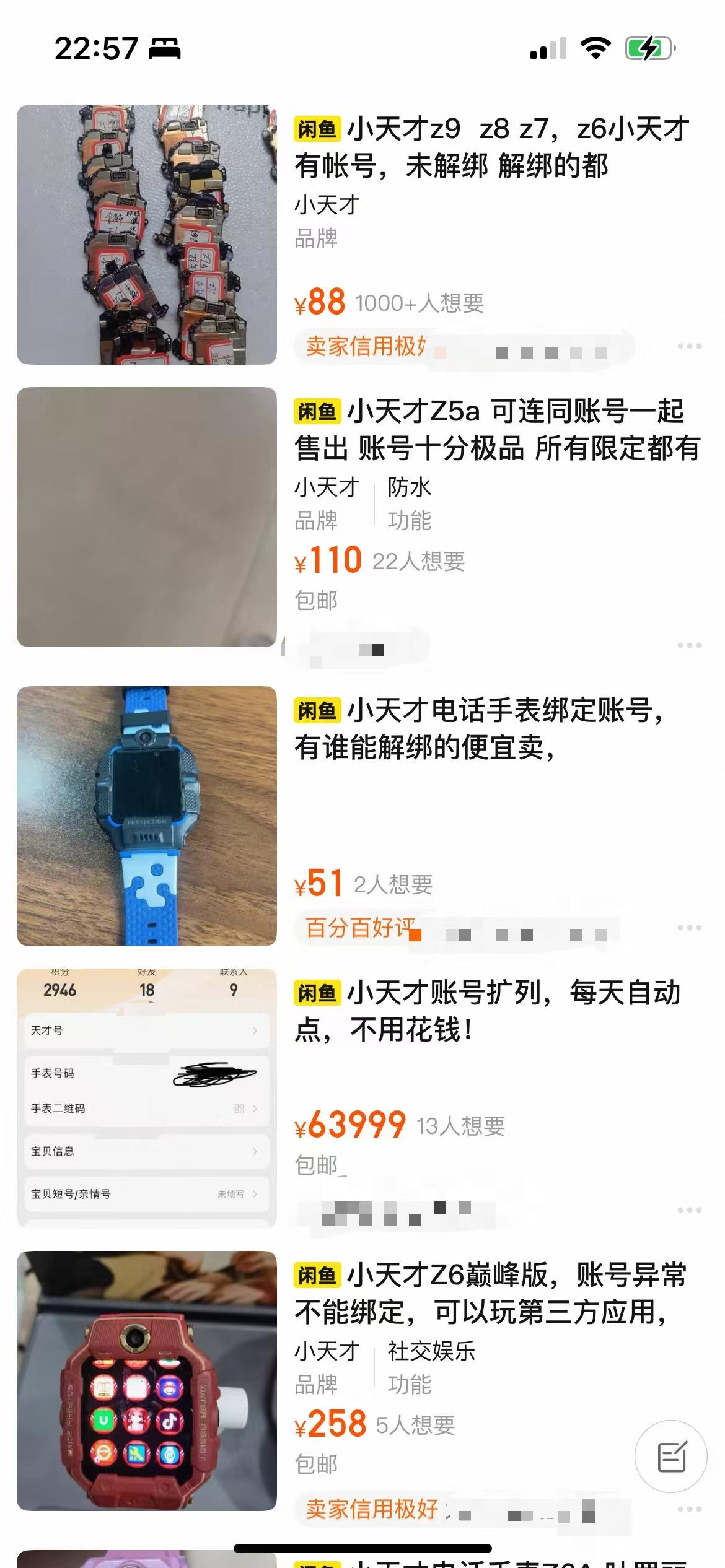
莫让儿童手表成为围困童年的数字牢笼
Bei Jing Qing Nian Bao· 2025-12-17 03:18
Core Viewpoint - The evolution of children's smartwatches reflects the challenges of childhood in the digital age, where technology intended for connection creates isolation and risks, transforming childhood into a commercial arena rather than a space for genuine growth and exploration [1][4]. Group 1: Digital Social Dynamics - Children's smartwatches have developed into a digital social circle for minors, complete with unique rules and a gray industry, where likes have become a form of social currency, leading to the emergence of underground markets for account trading and like-boosting services [1][2]. - The adult world's logic of traffic and influence is being mimicked in children's social interactions, where platforms impose limits on likes and create hierarchies, shifting children's focus from genuine friendships to quantifiable social influence [1][2]. Group 2: Consumer Behavior and Ethical Concerns - The inability of different smartwatch brands to interconnect creates a dilemma for parents, who feel pressured to purchase devices to avoid their children being isolated, thus fostering a cycle of consumerism driven by perceived social necessity [2]. - The emergence of a gray market around children's social needs indicates a deep erosion of ethical standards, with services ranging from account trading to automated like-boosting, reflecting a troubling commercialization of childhood [2]. Group 3: Recommendations for Improvement - Companies should prioritize a "minimum necessary" principle in product design, focusing on essential communication features while avoiding unnecessary social functionalities that promote competition among children [3]. - Regulatory bodies need to establish specialized assessment mechanisms for children's smart products, ensuring that social features are scrutinized to prevent addictive designs and protect minors' digital rights [3]. - Educational institutions should enhance media literacy education, helping children develop skills to navigate digital social tools responsibly, while parents should shift from control to dialogue, fostering critical thinking about digital interactions [3].