先诊疗后付费

Search documents
取消预交金,你退费了吗?国家卫健委答21:正探索“先诊后付”
2 1 Shi Ji Jing Ji Bao Dao· 2025-12-26 11:18
Core Points - The National Health Commission of China introduced eight key initiatives aimed at improving public health services, including enhanced pediatric services and mental health support [3] - The initiatives also focus on reducing the financial burden on patients by eliminating prepayment for outpatient services and lowering hospitalization prepayment amounts [4][5] Group 1: Eight Key Initiatives - Nationwide, 4,845 public hospitals now provide pediatric services, enhancing accessibility and capability [3] - Mental health services have been expanded, with 333 cities and 87 districts establishing psychological and sleep clinics, and a national psychological assistance hotline has been launched [3] - Over 200 inter-hospital test result recognition projects have been implemented across all provinces [3] - The number of childcare spots for children under three has reached 6.657 million, with 3.32 million being affordable spots [3] - As of March 31, 2025, public medical institutions will stop collecting outpatient prepayments, and from June 30, 2025, hospitalization prepayment amounts will be reduced to the average personal payment level for the same disease [3] - Counties with populations over 100,000 now have dialysis service capabilities [3] - A platform for cross-province blood fee exemptions has been established for online processing [3] - Health knowledge has been disseminated through 23 public events focusing on seasonal health [3] Group 2: Impact of Prepayment Reform - The elimination of outpatient prepayments has reduced the financial burden on patients, with an average decrease of over 20% in hospitalization prepayment amounts for insured patients [4][5] - The reform has streamlined the payment process, allowing patients to use electronic payment methods for immediate settlement during outpatient visits [4][5] - The initiative has introduced "pay after treatment" models in some regions, enhancing convenience for patients [5]
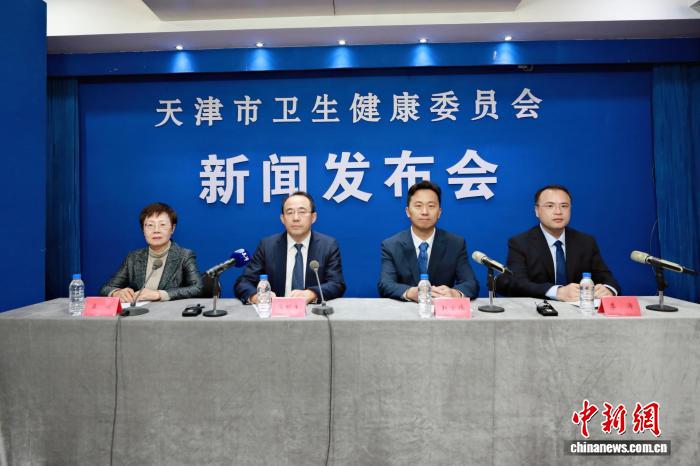
天津:取消门诊预交金 试点探索推行门诊“先诊疗后付费”
Zhong Guo Xin Wen Wang· 2025-11-13 23:23
Group 1 - The core viewpoint of the article is the implementation of a new policy in Tianjin to cancel outpatient prepayment and pilot the "pay after diagnosis and treatment" model to improve patient experience and efficiency in medical services [1][3]. Group 2 - The Tianjin Health Commission has initiated this policy as part of the "Sixteen Measures for Health Services for the People," aiming to reduce the financial burden of prepayments on patients [3][4]. - As of September this year, Tianjin has refunded a total of 5.0168 million yuan in outpatient prepayments, and the average prepayment amount for hospitalized patients has decreased from 8,403.68 yuan to 7,243.77 yuan [3]. - The policy encourages medical institutions to establish a credit system for patients, allowing those with basic medical insurance and commercial health insurance to benefit from the "pay after diagnosis and treatment" approach [3][4]. Group 3 - The "Sixteen Measures for Health Services for the People" also includes initiatives in disease prevention, diagnostic services, and enhancing capabilities at the grassroots level [4]. - As of October, 68% of tertiary public hospitals in Tianjin can provide "no accompanying care" services, covering 247 wards and 8,812 beds, indicating an expansion in service capacity and coverage [4].