
全面从严治党向基层延伸

Search documents
学纪知纪明纪守纪丨筑牢农村基层干部廉洁履职根基
Zhong Yang Ji Wei Guo Jia Jian Wei Wang Zhan· 2025-12-16 23:53
Core Viewpoint - The article emphasizes the importance of strengthening supervision and regulation of rural grassroots cadres to ensure their integrity and efficiency in serving the community, which is crucial for the Party's governance foundation and rural revitalization efforts [3][4][8]. Summary by Sections Regulations on Rural Grassroots Cadres - The newly revised regulations focus on eight key areas, including the management of rural collective assets, the distribution of agricultural subsidies, and the management of village construction projects, aiming to prevent corruption and ensure the proper use of agricultural funds [4][5]. - The regulations establish a "negative list" to clarify acceptable behaviors and boundaries for rural grassroots cadres, enhancing the supervision mechanism to ensure compliance and protect the rights of rural collectives and farmers [5][6]. Implementation of Regulations - The implementation of the regulations involves integrating them with existing disciplinary guidelines to create a comprehensive framework for supervision and accountability at the grassroots level [5][6]. - The regulations are designed to enhance the awareness of discipline among rural cadres, ensuring they understand the boundaries of acceptable conduct while promoting transparency in village affairs [6][7]. Strengthening Supervision Mechanisms - The article discusses the role of disciplinary inspection agencies in enforcing the regulations, emphasizing the need for collaboration among various supervisory bodies to address issues in rural governance effectively [8][9]. - It highlights the use of technology, such as big data and cloud computing, to enhance the monitoring of rural financial activities and improve the efficiency of supervision [7][9]. Encouraging Active Participation - The regulations encourage a balance between strict oversight and support for rural cadres, allowing them to act proactively while adhering to rules [12][14]. - There is a focus on clarifying the responsibilities of rural cadres and providing them with the necessary support to foster a positive working environment [12][14]. Addressing Common Issues - The article identifies common issues faced by rural cadres, such as favoritism and corruption, and outlines measures to address these problems through enhanced supervision and accountability [4][8]. - It emphasizes the importance of timely intervention and support for cadres facing challenges, ensuring that they can continue to serve effectively without fear of unjust repercussions [12][13].

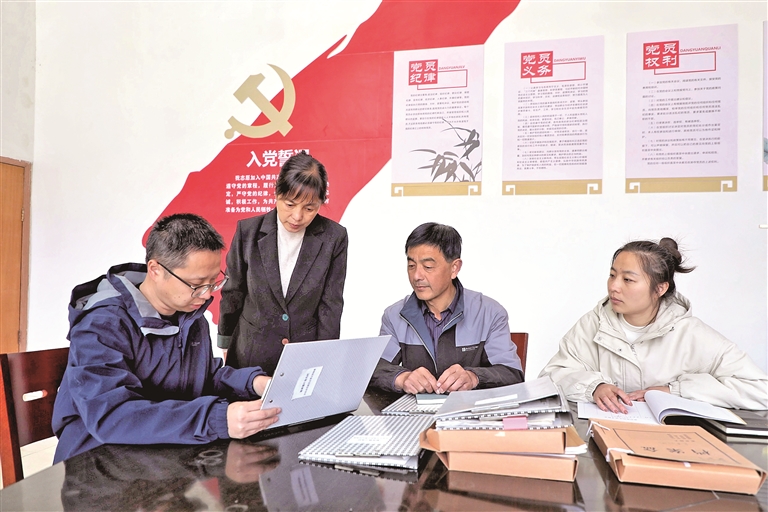
贵州强化村级“一肩挑”人员监督 标本兼治管住小微权力
Zhong Yang Ji Wei Guo Jia Jian Wei Wang Zhan· 2025-05-11 00:44
村级"一肩挑"人员是带领村民致富、引领乡村治理的"领头雁"。贵州省纪检监察机关坚持靶向施策,提 升监督能力,强化对村干部特别是"一肩挑"人员的监督管理,督促其规范行权、廉洁履职,推进全面从 严治党向基层延伸、小微权力规范运行。 该省纪检监察机关围绕村干部职能职责,聚焦村(社区)党组织作用发挥、村级"三资"管理和民生保障 等重点工作,着重从财务管理、项目建设、资产资源收益管理、小微权力运行、干部作风转变等方面入 手,精准监督、靶向纠治。持续推动各市(州)、县(市、区)纪委监委采取提级监督的方式,加强对 规模较大、资源资产富集、集体资金较多、信访量较大的村(社区)党组织书记、村(居)委会主任监 督。同时,加强与省农业农村厅的沟通协调,通过"室组地""室地""组地"等方式开展联动监督,推动对 清产核资、经营管理、资产处置等方面存在的突出问题开展整治。 健全监督体系、整合监督力量,提升基层监督能力。贵州省纪委监委协助省委制定出台实施意见,加强 乡镇(街道)纪检监察组织建设,加强人员力量配备,选优配强村级党组织纪委书记(纪检委员),并 按规定推动担任村(居)务监督委员会主任,把监督触角向基层延伸。同时,针对基层监督力量 ...