公共服务APP商业化底线

Search documents
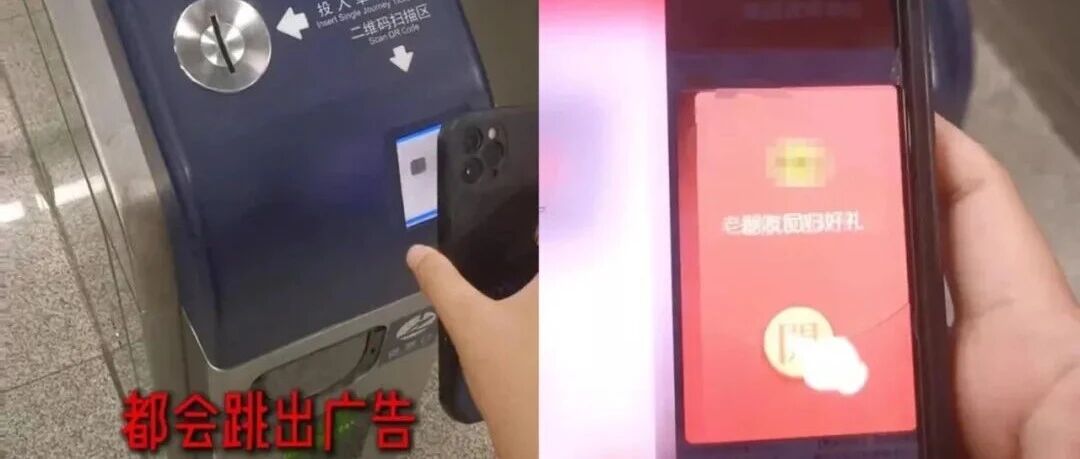
离谱!地铁APP过闸弹广告“添堵”,客服还辩解“有人喜欢广告”。网友:不干人事
程序员的那些事· 2025-11-05 14:21
Core Viewpoint - The article discusses the controversy surrounding the Guangzhou Metro App, which has been criticized for its intrusive advertising practices that disrupt the user experience, particularly during peak commuting hours [1][3][4]. Group 1: User Experience Issues - Users have reported that the app frequently displays ads when using the ride code feature, with the "shake to trigger" function leading to accidental ad activations, significantly affecting the efficiency of passing through gates during rush hours [1][3]. - Many users expressed frustration over the ad display process, which requires them to view multiple ads before they can complete their transaction, leading to delays and missed trains [3][4]. Group 2: Customer Service Response - The customer service response to complaints has been criticized for lacking empathy and failing to address the core issues raised by users, suggesting that not everyone dislikes ads and offering a cumbersome feedback process [4][6]. - This response has led to further public backlash, with many users feeling that their concerns were dismissed and that the company was not taking responsibility for the negative impact of the ads [6]. Group 3: Regulatory and Corporate Response - Following public outcry and regulatory scrutiny, the Guangzhou Metro took immediate action by removing the "shake to trigger" ads and optimizing the app's interaction design to minimize disruptions [7][10]. - The regulatory body highlighted that the ad practices may violate advertising laws, emphasizing the need for clear exit options for ads and restrictions on high-sensitivity triggers [6][10]. Group 4: Broader Implications - The incident raises important questions about the commercialization of public service apps, suggesting that while advertising can be a source of revenue, it should not compromise user convenience and service quality [10][11]. - The media has pointed out that the core function of public transport apps should prioritize safety, stability, and efficiency, and that any commercial elements introduced must not overshadow these essential services [11][12].