公共空间广告分类管理制度

Search documents
小区电梯该不该投放成人广告?专家:建立公共空间负面清单制度
Xin Lang Cai Jing· 2026-01-17 00:12
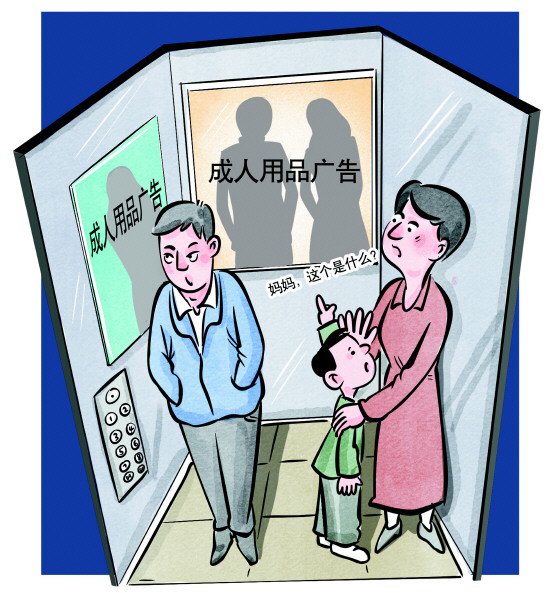
Core Viewpoint - The article discusses the inappropriate exposure of minors to adult product advertisements in residential elevators, highlighting the need for regulations to protect children from unsuitable content in public spaces [1][4]. Group 1: Current Situation - In various residential complexes in Beijing, elevators frequently display adult product advertisements, including condom ads, without time restrictions, leading to concerns from parents about their children's exposure to such content [2][3]. - Observations indicate that during peak hours, over 30% of elevator users are minors, who often engage with the advertisements out of curiosity, creating awkward situations for parents [2][3]. Group 2: Expert Opinions - Experts argue that advertising in public spaces like elevators must adhere to legal standards, avoiding content that could be deemed obscene or harmful, especially to minors [4][6]. - There is a call for a clear classification system for advertisements, including a negative list of prohibited content, to ensure compliance and protect public interests [5][6]. Group 3: Recommendations for Regulation - It is suggested that property management companies should inform residents about advertising content and obtain consent before placing ads in shared spaces [7][8]. - A multi-faceted governance approach is recommended, involving legislation, enforcement, and industry self-regulation to balance commercial interests with public safety [8][9].
建立公共空间广告发布负面清单制度
Xin Lang Cai Jing· 2026-01-16 19:06
Core Viewpoint - The article discusses the inappropriate placement of adult product advertisements, particularly condom ads, in residential elevator spaces, raising concerns about the exposure of minors to unsuitable content [3][4][5]. Group 1: Advertising Practices - High-frequency and unrestricted timing of adult product advertisements in residential elevators have been observed, with some elevators cycling through ads every three minutes, including 15 seconds dedicated to condom ads [4]. - The presence of these ads has led to children expressing curiosity and confusion, prompting parents to feel uncomfortable explaining the content [5]. Group 2: Legal and Ethical Considerations - Experts argue that advertising in public spaces like elevators must comply with advertising laws and civil codes, which prohibit content that is obscene, pornographic, or otherwise inappropriate [6]. - The need for a clear distinction in advertising regulations based on the audience, particularly concerning minors, is emphasized, suggesting stricter controls during peak usage times for children [6][7]. Group 3: Stakeholder Responsibilities - Property management companies are urged to fulfill their obligation to inform residents about advertising content and obtain consent before placing ads in shared spaces [6]. - A proposed framework includes creating a negative list of prohibited advertisements and establishing a classification management system to balance commercial interests with public space rights [6][7].