避孕套

Search documents
避孕套都卖不动了,情趣用品怎么卖爆了?
Xin Lang Cai Jing· 2026-02-20 20:22
Core Insights - The condom industry is experiencing a significant decline, with the market size projected to shrink to 17.5 billion yuan by 2025, and leading brands like Durex, Okamoto, and Jissbon seeing sales drop by 15%-20% across all online platforms [2] - In contrast, the sales of adult products are booming, with projections indicating a revenue of 194 billion yuan in 2024, a year-on-year growth of 8%, and expected to exceed 208.1 billion yuan in 2025, which is 12 times that of condoms [2] Group 1: Changing Consumer Behavior - The shift in consumer behavior indicates that sexual needs have not disappeared but have transformed, with intimacy being redefined from a necessity to an optional aspect of life [5] - The rise of a "single kingdom" is evident, with 297 million single individuals in China, accounting for 20.7% of the population, and a significant increase in unmarried rates among younger demographics [5] Group 2: Economic Implications - The consumption logic of singles is characterized by low cost, high satisfaction, and no burden, making adult products appealing due to their affordability, privacy, and flexibility [5] - The adult product market is no longer male-dominated, with female-oriented products now accounting for 58% of sales on e-commerce platforms, indicating a shift in consumer demographics [7] Group 3: Market Trends - The consumption of adult products is expanding beyond first-tier cities, with significant growth in county-level markets, where order volumes are increasing by over 50% annually [7] - The stigma surrounding sexual products is diminishing, as evidenced by the regulatory changes and the introduction of high-end therapeutic adult products into the medical device category [9] Group 4: Product Innovation and Accessibility - Technological advancements in adult products, such as smart features and improved user experiences, are lowering consumption barriers and enhancing appeal [9] - E-commerce platforms are facilitating a more discreet purchasing experience, breaking down the last barriers of shame associated with buying adult products [9]


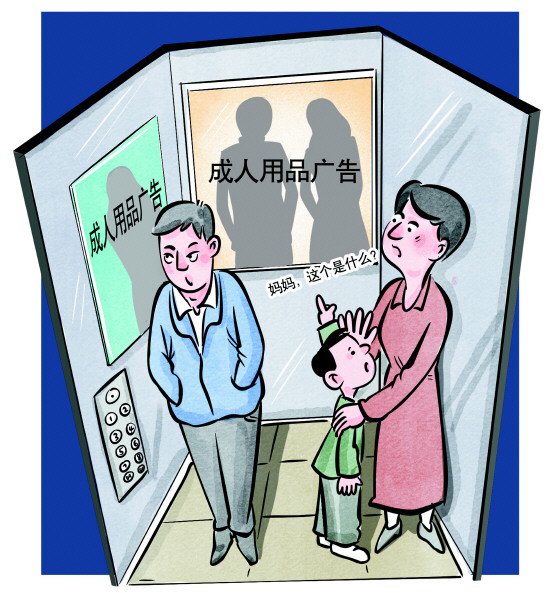
小区电梯该不该投放成人广告?专家:建立公共空间负面清单制度
Xin Lang Cai Jing· 2026-01-17 00:12
Core Viewpoint - The article discusses the inappropriate exposure of minors to adult product advertisements in residential elevators, highlighting the need for regulations to protect children from unsuitable content in public spaces [1][4]. Group 1: Current Situation - In various residential complexes in Beijing, elevators frequently display adult product advertisements, including condom ads, without time restrictions, leading to concerns from parents about their children's exposure to such content [2][3]. - Observations indicate that during peak hours, over 30% of elevator users are minors, who often engage with the advertisements out of curiosity, creating awkward situations for parents [2][3]. Group 2: Expert Opinions - Experts argue that advertising in public spaces like elevators must adhere to legal standards, avoiding content that could be deemed obscene or harmful, especially to minors [4][6]. - There is a call for a clear classification system for advertisements, including a negative list of prohibited content, to ensure compliance and protect public interests [5][6]. Group 3: Recommendations for Regulation - It is suggested that property management companies should inform residents about advertising content and obtain consent before placing ads in shared spaces [7][8]. - A multi-faceted governance approach is recommended, involving legislation, enforcement, and industry self-regulation to balance commercial interests with public safety [8][9].
建立公共空间广告发布负面清单制度
Xin Lang Cai Jing· 2026-01-16 19:06
Core Viewpoint - The article discusses the inappropriate placement of adult product advertisements, particularly condom ads, in residential elevator spaces, raising concerns about the exposure of minors to unsuitable content [3][4][5]. Group 1: Advertising Practices - High-frequency and unrestricted timing of adult product advertisements in residential elevators have been observed, with some elevators cycling through ads every three minutes, including 15 seconds dedicated to condom ads [4]. - The presence of these ads has led to children expressing curiosity and confusion, prompting parents to feel uncomfortable explaining the content [5]. Group 2: Legal and Ethical Considerations - Experts argue that advertising in public spaces like elevators must comply with advertising laws and civil codes, which prohibit content that is obscene, pornographic, or otherwise inappropriate [6]. - The need for a clear distinction in advertising regulations based on the audience, particularly concerning minors, is emphasized, suggesting stricter controls during peak usage times for children [6][7]. Group 3: Stakeholder Responsibilities - Property management companies are urged to fulfill their obligation to inform residents about advertising content and obtain consent before placing ads in shared spaces [6]. - A proposed framework includes creating a negative list of prohibited advertisements and establishing a classification management system to balance commercial interests with public space rights [6][7].
性萧条?不,这是个体觉醒了!
Xin Lang Cai Jing· 2026-01-06 08:27
Group 1 - The core argument of the article is that the perception of a "sexual recession" is misleading, as consumer behavior has shifted rather than demand decreasing [4][10][33] - Sales of traditional erectile dysfunction (ED) medications have declined, with a notable drop from 1.29 billion yuan to 1.034 billion yuan, and daily sales decreasing by approximately 36,500 pills [2][4] - The condom market has also seen a significant decline, with total sales dropping from 18.786 billion yuan in 2023 to 15.6 billion yuan in 2024, representing a 17% decrease [4] Group 2 - In contrast, new brands in the ED medication sector, such as Guanai, have seen sales exceed 100 million pills for two consecutive years, indicating a shift in consumer preference [5][14] - The Chinese adult toy market is experiencing rapid growth, with a market size surpassing 194 billion yuan in 2024 and projected to exceed 208 billion yuan in 2025, which is over ten times the size of the condom market [8][14] - The increase in sales of female-oriented products is notable, with growth rates five times higher than male products, reflecting a shift towards high-quality lifestyle products [8][14] Group 3 - The decline in condom sales is attributed to changing consumption scenarios, particularly a decrease in social outings and hotel stays, with hotel occupancy rates at a five-year low of 58.8% in 2024 [19][20] - Alternative contraceptive methods, such as subdermal implants and oral contraceptives, are gaining popularity, with a 46% increase in subdermal implant usage and a 24% growth in oral contraceptive retail sales [20] - The rise in sales of adult toys and ED medications aligns with a broader trend of self-exploration and personal satisfaction, as societal attitudes towards sexuality evolve [22][26][32]

避孕套征税13%,免费时代落幕!年轻人会因此生孩子吗?
Sou Hu Cai Jing· 2025-12-05 06:12
Core Viewpoint - The adjustment of the tax policy on contraceptives reflects a strategic shift in China's population policy from "controlling birth" to "encouraging birth" as the country faces declining birth rates and a need for supportive measures for families [1][3][11] Policy Background - The tax change is driven by two main factors: the significant change in population dynamics, with a projected negative natural growth rate in 2024 and a total fertility rate of only 1.2, necessitating encouragement for childbirth [3] - The reform aims to standardize the tax system, as the previous exemption was aligned with the old family planning policies, while the contraceptive market has grown to hundreds of billions, making tax exemptions unnecessary [3] Tax Details - The new 13% value-added tax (VAT) on contraceptives will effectively result in a price increase of only about 5% due to input tax deductions available to businesses, translating to a maximum increase of 2 yuan for a 20 yuan box of condoms [3] - The average additional annual expenditure for families is expected to be only a few dozen yuan, which is negligible compared to the costs associated with raising children [3] Accessibility of Contraceptives - Free distribution channels for contraceptives remain intact, allowing individuals to obtain them from community health service centers and maternal and child health hospitals, ensuring that low-income groups still have access to reproductive health resources [3] Economic Context - The financial burden of raising children is significantly higher than the additional costs incurred from the new tax, with average expected child-rearing costs reaching 487,000 yuan, and over a million in major cities [5] - Young adults face substantial economic pressures, with an average debt-to-income ratio of 58.3% for those under 30, making the minor increase in contraceptive costs insufficient to alter their reproductive decisions [5] Global Comparisons - International examples, such as Japan and India, demonstrate that reducing or eliminating contraceptive taxes did not lead to increased birth rates, indicating that the cost of contraception is not a primary factor in reproductive choices [6] Recommendations for Policy Improvement - To effectively enhance birth rates, comprehensive support policies are needed, including housing support, workplace protections, and educational reforms, rather than merely adjusting contraceptive costs [8][9] - Successful models from other countries, like Singapore, show that targeted financial incentives and support for working mothers can alleviate family burdens and improve employment security for women [9] Conclusion - The 13% tax on contraceptives symbolizes a shift in national population strategy, but it is crucial to recognize that improving birth rates requires addressing deeper systemic issues rather than simply increasing contraceptive costs [11]

避孕套征税上热搜?重点根本不是那几块钱
虎嗅APP· 2025-12-04 09:51
Core Points - The article discusses the end of the 30-year tax exemption on condoms and contraceptive products in China, effective January 1, 2025, due to the new VAT law, which aims to encourage childbirth amid declining birth rates [5][8][51]. - The expected price increase for consumers is limited, estimated at around 5% to 10%, which translates to a minor increase in monthly expenses for average households [6][51]. - The policy shift reflects a broader change in China's population management strategy, moving from birth control to promoting a "birth-friendly" environment [15][20][54]. Policy Changes - The new VAT law replaces the old regulations from 1993, which included tax exemptions for contraceptive products to support family planning [5][13]. - The tax rates are set at 13% for general taxpayers and 3% for small-scale taxpayers, indicating a move towards tax equity and resource allocation for child-rearing support [5][16]. - The government is also providing tax reductions for childcare and elderly care services, indicating a comprehensive approach to support families [16][17]. Market Dynamics - The contraceptive market in China is projected to exceed 22 billion yuan by 2025, suggesting a mature market that no longer requires tax incentives [5][9]. - Despite the tax exemption, the condom market has been shrinking, with a 25% decline since 2020, indicating changing consumer behaviors and attitudes towards sexual activity among younger generations [9][10]. Societal Implications - The article highlights a trend of declining sexual activity among young people, attributed to economic pressures and shifting priorities, which may further impact birth rates [10][11][40]. - The notion of a "low-desire society" is discussed, where financial anxieties overshadow personal relationships and family planning decisions [11][41]. - The article argues that the real barriers to childbirth are rooted in financial insecurity and the perception of child-rearing as a significant financial burden, rather than the cost of contraceptives [26][34][52]. Economic Context - The discussion includes the impact of real estate market fluctuations on family financial stability, emphasizing that housing costs and mortgage pressures contribute to the reluctance to have children [30][31][44]. - The article suggests that the government's focus should shift from merely adjusting tax policies to addressing the underlying economic conditions that affect family planning decisions [54][55].

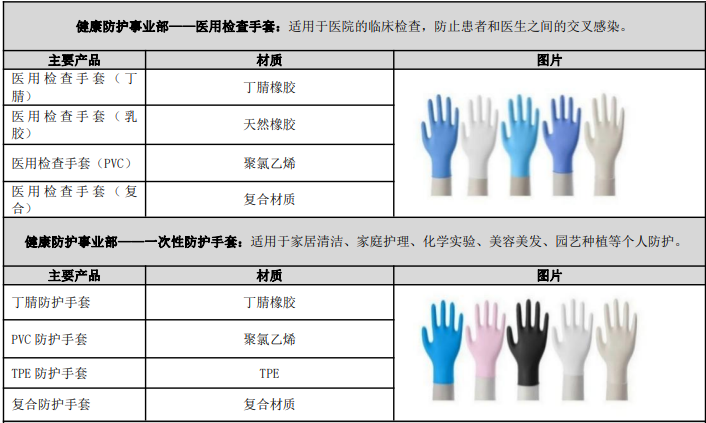
中红医疗:全品类医用手套为流感季健康保驾护航
Quan Jing Wang· 2025-12-03 10:36
Core Viewpoint - The flu virus is becoming increasingly active in China as the autumn and winter temperatures drop, with the positive rate of flu-like cases nearing 45%, indicating a significant rise in respiratory infectious diseases [1] Group 1: Flu Activity and Prevention - The flu virus can spread through droplets and contact with contaminated surfaces, emphasizing the need for effective protective measures [1] - The Chinese Center for Disease Control and Prevention highlights the importance of hand protection in preventing the transmission of the flu virus [1] Group 2: Company Overview - Zhonghong Medical, a state-controlled listed company, is a leading player in the domestic medical protection sector, offering a comprehensive range of medical gloves to enhance health protection during the flu season [1][2] - The company provides various types of disposable protective gloves, including medical examination gloves and household protective gloves, catering to different scenarios from professional medical use to home care [2] Group 3: Product Features and Innovations - Zhonghong Medical's gloves are designed to meet industry standards and utilize innovative materials and processes to create a multi-layered hand protection system for flu prevention [2] - The company emphasizes the importance of proper glove usage, including the "one-use-one-change" principle, to minimize the risk of secondary contamination [2] Group 4: Future Focus and Product Expansion - In addition to disposable health protection gloves, Zhonghong Medical is expanding its product line to include condoms, safety infusion devices, wireless monitoring sensors, and other health-related products [2] - The company plans to focus on developing life support devices, surgical instruments, implantable devices, and assisted reproductive technology products in the future [2]
避孕套暴跌真相
3 6 Ke· 2025-12-03 03:33
Core Insights - The condom industry is facing significant pressure, with a reported 17% decline in sales in China last year, amounting to 156 billion yuan, and a 19.2% drop compared to 2019 [2][7] - The decline in demand is attributed to societal changes, including delayed marriage, fewer marriages, and a growing number of couples choosing not to have children, leading to reduced need for contraceptives [7][9] - The case of Japan's condom industry, which experienced a 43% drop in sales from 1980 to 2003, serves as a cautionary tale for the current situation in China [11][14] Industry Analysis - The decline in condom sales indicates a broader societal trend rather than a failure of individual brands, suggesting that companies should look outward for growth opportunities rather than solely focusing on internal improvements [6][20] - The Asian market, particularly Southeast Asia, presents significant growth potential due to a young population and limited sexual education, with countries like Indonesia and Thailand showing double-digit growth rates in condom sales [18][19] - Africa, particularly sub-Saharan Africa, also represents a substantial market opportunity, with an estimated demand for 8 billion condoms in 2023, highlighting a significant supply gap [20] Strategic Recommendations - Companies in the condom industry should adopt an "outward seeking" strategy, exploring new geographical markets and understanding consumer psychology to drive growth [16][21] - The focus should not only be on expanding market reach but also on enhancing the perceived value of products to align with changing consumer needs [21]
安全套没人买了,情趣用品却卖爆了
36氪· 2025-11-30 13:35
Core Viewpoint - The "Condom Paradox," which suggested that condom sales increase during economic downturns, has failed in recent years, with significant declines in sales observed globally and in China [4][5][6]. Industry Overview - The global largest condom manufacturer, Karex Berhad, experienced a 40% drop in sales in 2020, marking its first loss since its listing, contrary to earlier optimistic predictions [5][13]. - The Chinese condom market is projected to decline from 187.86 billion yuan in 2023 to 156 billion yuan in 2024, a decrease of 17% [5][16]. - The overall condom market in China has shrunk by 25% from 2020 to 2024, with an average annual decline of about 6% [16]. Market Dynamics - The condom industry is facing a comprehensive downturn, affecting upstream production, midstream brands, and downstream sales [8]. - Major brands like Durex have seen a drastic drop in sales, with Durex's online sales in China plummeting from 3.72 million units in 2019 to 842,000 units in 2021 [14]. - Over 78,000 condom-related companies have closed between 2020 and 2024, averaging 17,300 closures per year [15]. Consumer Behavior - The decline in condom sales is attributed to a reduction in interpersonal interactions and a shift towards alternative contraceptive methods, such as subdermal implants and oral contraceptives, which have seen significant growth [19][20]. - The average hotel occupancy rate in China was only 58.8% in 2024, impacting the demand for condoms in non-home settings [19]. - The economic pressures have led to a decrease in young people's willingness to invest in intimate relationships, further contributing to the decline in condom sales [23][25]. Emerging Trends - In contrast to the declining condom market, the adult products industry is experiencing rapid growth, with the market size surpassing 200 billion yuan in 2024, significantly outpacing the condom market [29][31]. - The adult products market has seen a 24% growth in the past five years, indicating a shift in consumer preferences towards self-pleasure products [29]. - The rise of female consumers in the adult products market is notable, with 70% of late-night orders coming from women, reflecting a change in attitudes towards sexual wellness and self-exploration [46][47].

2000亿成人玩具,抄了杜蕾斯的后路
商业洞察· 2025-11-27 09:26
Group 1 - The article discusses the decline in sexual activity and related product sales among younger generations, highlighting a significant drop in condom sales from 187.86 billion yuan in 2023 to 156 billion yuan in 2024, a decrease of 17% [8][12] - The largest condom manufacturer, "Kang Le," reported a 40% drop in sales over two years, leading them to pivot to manufacturing rubber gloves [15][13] - Durex's sales in China fell sharply, with online sales dropping from 3.722 million units in 2019 to 842,000 units in 2021, and its market share in China reduced to 29.3% by 2024 [16][18] Group 2 - The article attributes the decline in sexual activity to high costs associated with dating, including financial, time, and emotional investments, making casual relationships less appealing [26][30] - The average hotel occupancy rate in China was only 58.8% in 2024, contributing to decreased condom sales, as nearly half of condom usage occurs outside the home [29] - The article draws parallels with Japan's "low desire society," where similar trends have been observed, indicating a broader cultural shift [24][26] Group 3 - Despite the decline in traditional sexual products, there is a rise in alternative forms of companionship and self-fulfillment, such as pet ownership and hobbies, with the pet market expected to grow significantly [44][42] - The Chinese market for sexual wellness products is projected to exceed 200 billion yuan in 2024, significantly outpacing the condom market, indicating a shift in consumer preferences [48][50] - The article suggests that the demand for intimacy and connection is evolving, leading to new business opportunities in various sectors, including emotional support services and single-person living arrangements [41][51]