共享儿女

Search documents
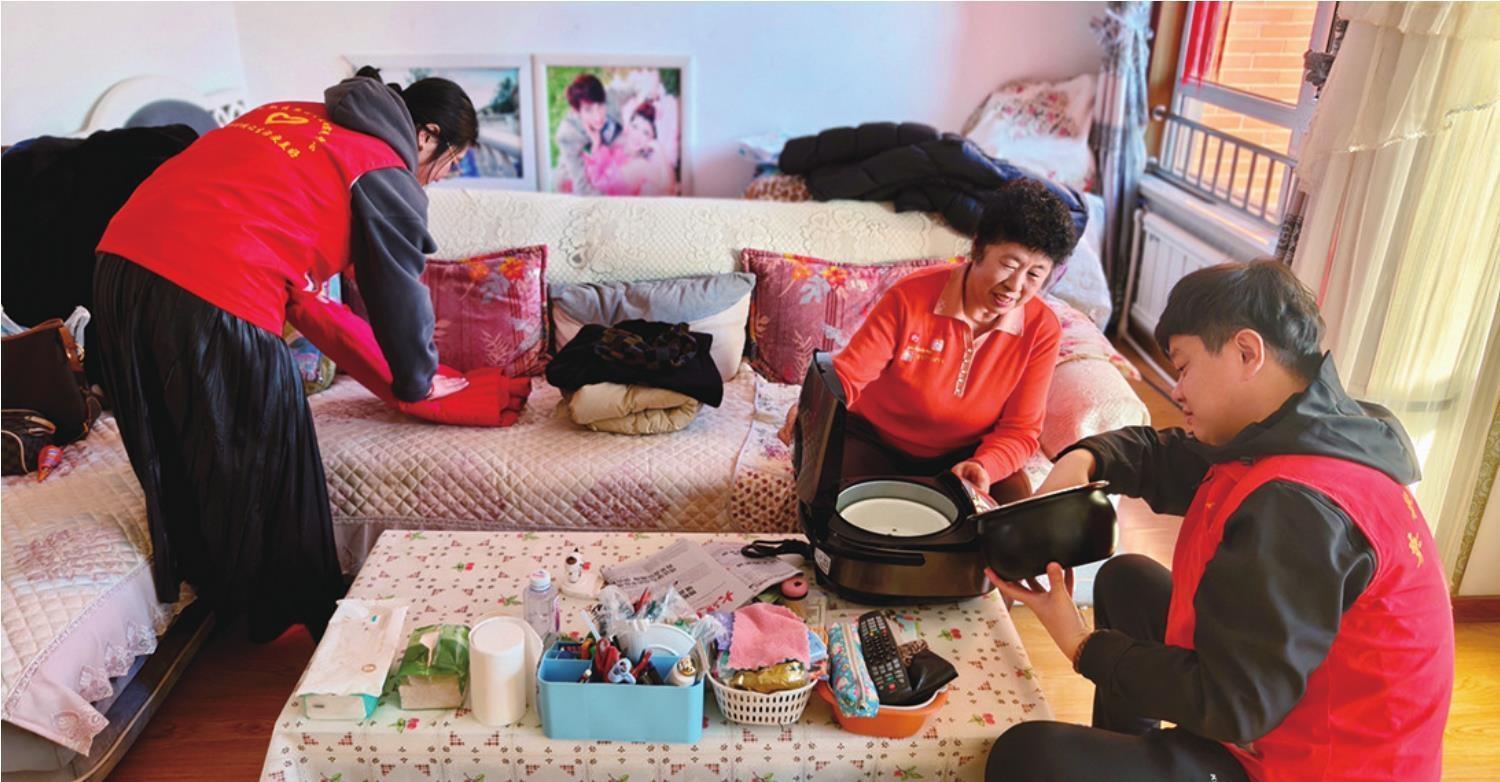
社区“共享儿女”让老人不再孤单
Xin Lang Cai Jing· 2026-01-27 23:07
Group 1 - The article highlights the "Shared Children" service brand created by the Yinggeshi community in Dalian, which aims to provide companionship and support to elderly residents, particularly those living alone [1][2] - The community has organized 127 university students, young volunteers, and senior volunteers into various support groups to address the medical, daily, and emotional needs of the elderly [1] - The initiative focuses on a "many-to-one" assistance model, ensuring comprehensive care for the elderly residents [1] Group 2 - The article features a specific case of a 71-year-old resident, Grandma Tan, who receives support from a university student named Li Qi, highlighting the personal connections formed through the program [2] - Li Qi provided hands-on assistance to Grandma Tan by creating a large print guide for using a smart rice cooker, demonstrating the community's commitment to improving the quality of life for the elderly [2] - The emotional impact of the program is emphasized, as Grandma Tan expresses her gratitude and the joy of having companionship in her home [2]

把“共享儿子”做成百亿生意!美国Papa引爆老年陪伴经济
创业邦· 2025-10-29 03:27
Core Viewpoint - The article discusses the innovative business model of Papa, a platform that connects college students with elderly individuals seeking companionship and assistance, addressing the loneliness and care needs of the aging population in the U.S. [4][5][6] Group 1: Company Overview - Papa was founded in 2017 by Andrew, who recognized the need for companionship while caring for his grandfather with dementia [5][8]. - The platform connects college students, referred to as "Papa Pals," with elderly individuals needing non-medical assistance, such as companionship, meal preparation, and transportation [9][10]. - As of 2024, Papa has provided over 2.6 million services, demonstrating significant growth and demand for its offerings [10]. Group 2: Market Context - In 2017, the U.S. population aged 65 and older was approximately 48.8 million, representing 14.94% of the total population, indicating a deepening aging society [5]. - The elderly population in the U.S. is projected to grow to 80 million by 2040, with a significant shortage of caregivers, highlighting the need for innovative solutions like Papa [10]. Group 3: Business Model and Financials - Papa operates on a dual revenue model, charging both elderly clients and partnering with insurance companies to provide emotional companionship services [20][19]. - The company achieved a valuation of $1.4 billion after multiple funding rounds, including $1.8 million in Series B funding in 2020 and $150 million in Series D funding [9][10]. - Papa's services have been shown to reduce medical expenses for its members, with reported decreases in healthcare costs by up to 30% for frequent users [21][20]. Group 4: Service Offerings - Papa focuses on non-medical companionship, addressing emotional needs that are often overlooked in traditional elder care [10][11]. - Services include daily companionship, transportation, housekeeping, and gardening, tailored to the specific needs of elderly clients [11][13]. - The platform emphasizes safety and boundaries, clearly defining the scope of services to avoid any inappropriate interactions [18]. Group 5: Competitive Landscape - The article compares Papa's model to other companies in the elder care space, such as AgeWell Japan and Honor, highlighting the unique focus on emotional companionship [24]. - Unlike traditional elder care services, Papa's model leverages a gig economy approach, attracting college students seeking flexible income opportunities [24][25]. Group 6: Challenges and Opportunities - The article notes that while the Papa model is successful in the U.S., it may face challenges in replicating this success in China due to cultural differences and varying willingness to pay for non-medical services [25]. - There is an opportunity for domestic elder care companies to incorporate emotional companionship into their service offerings, potentially improving the overall quality of care for the elderly [25].