共享田园

Search documents
让田园与都市相映生辉
Xin Lang Cai Jing· 2026-01-06 21:35
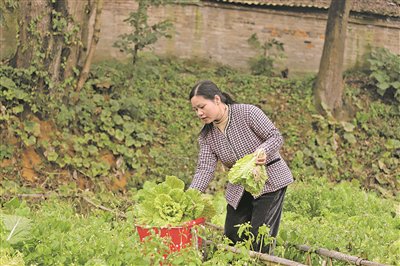
Core Viewpoint - The article highlights the development of modern agriculture in the Wudang District, focusing on the transformation of traditional farming into efficient, technology-driven family farms and shared agricultural experiences, thereby enhancing rural economic growth and urban-rural connections [3][4][6]. Group 1: Family Farms - The Jinju Linmu Planting Farm, established in 2013, transitioned to a comprehensive family farm in 2020, cultivating 4 hectares of land with various agricultural activities, including vegetable planting and livestock raising [4]. - The farm's revenue is projected to reach approximately 1 million yuan by 2025, with plans for upgrades to incorporate local cultural elements and new recreational activities [4][6]. - The Xinghui Strawberry Garden, a provincial-level demonstration family farm, spans 5.33 hectares and employs over 70 local workers during peak seasons, contributing to local employment and income [5][6]. Group 2: Shared Agriculture - The "Hepan Lezhuang" shared farm features 85 plots of vegetable gardens, all of which have been claimed by urban residents, promoting a new model of urban-rural interaction [7][8]. - The farm has attracted over 100,000 visitors since its inception in 2024, becoming a popular destination for urban tourists seeking rural experiences [7]. - The shared farm model has revitalized previously idle resources, creating job opportunities for over 60 local residents and enhancing community income [8]. Group 3: Vegetable Supply Bases - The Wangba Village vegetable industry has expanded to approximately 146.67 hectares, significantly increasing local farmer participation and average annual income by over 20,000 yuan per household [9][10]. - The district has established over 10 large-scale vegetable supply bases, with a total planting area exceeding 10,000 hectares and a total output surpassing 250,000 tons, playing a crucial role in ensuring vegetable supply for Guiyang [10]. - The district's proactive measures include providing technical support to farmers for winter vegetable cultivation, ensuring consistent supply and marketability [10].

空中俯瞰,武汉“窗口”多了几片绿
Chang Jiang Ri Bao· 2025-10-20 00:34
Core Viewpoint - The article highlights the comprehensive environmental improvement initiatives in Wuhan, focusing on transforming urban landscapes and enhancing the quality of life for residents through various projects aimed at beautifying the city and promoting community engagement [3][11]. Group 1: Urban Environment Improvement - A six-month comprehensive environmental rectification action named "Four Lines and One Entrance" has been implemented, focusing on upgrading the city's main transportation routes and entry points, resulting in a significant transformation of the urban landscape [3]. - Previously neglected areas have been converted into green spaces, enhancing the city's image and providing a welcoming environment for visitors during the National Day and Mid-Autumn Festival [3]. Group 2: Community Engagement and Agriculture - The establishment of shared gardens, such as the one in the Taibai Lake Ecological Farm, allows residents to engage in agriculture by cultivating their own vegetables, promoting local food production and community interaction [4]. - The initiative not only revitalizes idle land but also creates job opportunities for local villagers, fulfilling urban residents' desires for fresh produce and agricultural experiences [4]. Group 3: Ecological Parks and Recreational Spaces - The transformation of the Fengqi Lake Park from a neglected reservoir into a vibrant ecological park has attracted numerous visitors, providing recreational opportunities and enhancing community well-being [5][6]. - The park features a 15-kilometer greenway that connects natural landscapes, promoting outdoor activities and environmental appreciation among residents [6]. Group 4: Tourism and Local Economy - The development of the "Shanbian Bay" agricultural and cultural tourism complex has revitalized a previously ordinary village, attracting visitors and boosting the local economy through modern agricultural practices and tourism [9][10]. - The renovation of public spaces, such as the Chengjiadun rest station and various parks, has increased foot traffic and provided amenities for travelers, contributing to the overall attractiveness of the city [11].