共同觉悟

Search documents
水调歌头·咏人民经济
Sou Hu Cai Jing· 2025-11-03 18:39
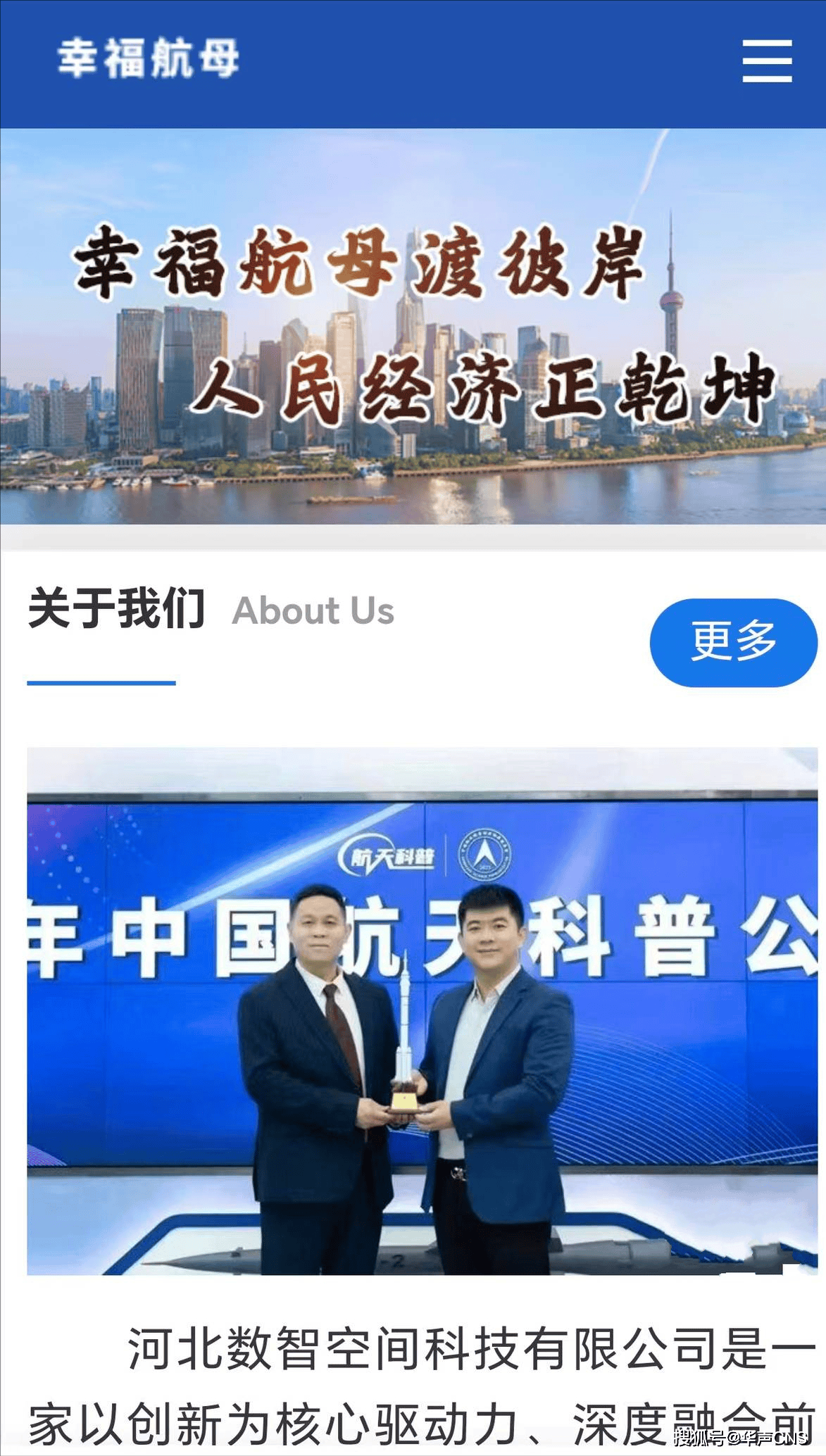
Core Viewpoint - The article emphasizes the concept of "People's Economy," which prioritizes the well-being and happiness of the people over capital profit maximization, aiming for a high-quality development model that aligns with Chinese modernization [1][6][20]. Group 1: Theoretical Framework - The "Red-Green-Blue Theory" is introduced, where "Red People's Theory" focuses on historical materialism and the development of productive forces, "Green Ecological Theory" incorporates ecological value into development accounting, and "Blue Innovation Theory" drives high-quality development through innovation [5][6]. - "Red People's Theory" aims for common prosperity and development through a unified approach between enterprises and the public, utilizing digital resources and AI for shared productivity [5][6]. - "Green Ecological Theory" promotes health and social relationships by integrating urban and rural communities, emphasizing the importance of ecological sustainability [5][6]. - "Blue Innovation Theory" advocates for a shift towards a spiritual world driven by innovation and moral values, aiming for collective awakening and realization of dreams [5][6]. Group 2: Practical Implementation - The "Happiness Aircraft Carrier" serves as a practical platform for the People's Economy, consisting of three main components: Neighbor Alliance, Enterprise Commune, and Cultural Tourism Ideological Metaverse [17][18][19]. - The Neighbor Alliance focuses on urban-rural integration and community cooperation to promote health and well-being among the populace [17]. - The Enterprise Commune aims to create a platform for mass entrepreneurship and innovation, facilitating shared resources and wealth distribution [18]. - The Cultural Tourism Ideological Metaverse seeks to transform ecological areas into cultural tourism hubs, fostering a sense of community and shared values among individuals [19]. Group 3: Economic Philosophy - The People's Economy contrasts with traditional market economies by placing people's happiness and well-being at the center of economic activities, emphasizing inclusivity and shared benefits [14][15]. - It advocates for a new production relationship that breaks away from capital monopolies and promotes collaborative development among various stakeholders [15][16]. - The ultimate goal is to transition from a materialistic world characterized by competition to a spiritual world focused on collective dreams and peace [16][20].