养生文化

Search documents
新春嘉年华 龙腾马跃会不停
Xin Lang Cai Jing· 2026-02-25 18:57
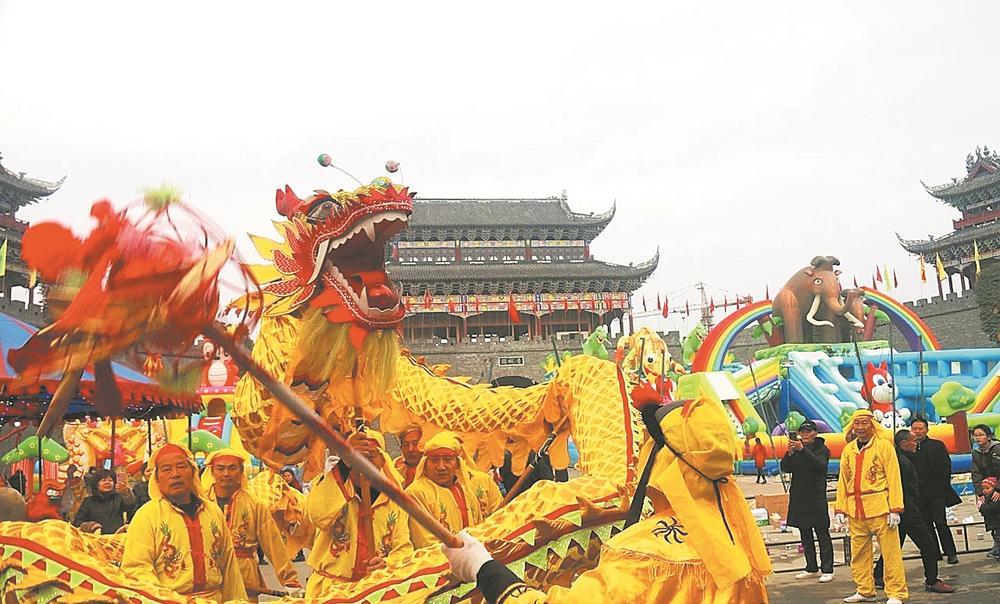
Core Viewpoint - The article highlights the vibrant and diverse cultural celebrations during the Spring Festival in Chengdu, showcasing various traditional events that reflect local customs and community spirit [5][19]. Group 1: Cultural Events - The "Welcoming the God of Wealth" event at Zhaogong Mountain has a history of over a thousand years and marks the beginning of numerous folk activities in the region, attracting both local and international visitors [7][8]. - The "Shang Jiu" temple fair at Mazu Temple emphasizes the integration of traditional Chinese medicine and agricultural culture, celebrating the cultivation of Chuanxiong [9][10]. - The "Chun Tai" fair in Yuantong Ancient Town is known as the "first fair of the Sichuan Basin," featuring a rich history and various activities, including the impressive "Hui Jiang Old Dragon" parade [12][14]. Group 2: Unique Local Traditions - The "Hui Jiang Old Dragon" parade involves a 272-segment dragon, symbolizing the unity and cultural heritage of the region, and is a highlight of the Chun Tai fair [14][15]. - The "Iron Flower" performance, a traditional craft of Yuantong, showcases the skills of local artisans and adds a unique visual spectacle to the festivities [15]. - The "Hakka Dragon" dance in Luodai reflects the unique blend of Hakka culture and local traditions, with a performance structure that includes rituals and various traditional movements [17][18]. Group 3: Culinary Highlights - The "Shang Jiu" fair features unique dishes such as "Cold Dressed Chuanxiong Tips," which are praised for their health benefits and flavor, attracting visitors to local eateries [11]. - The culinary offerings at these fairs not only highlight local ingredients but also serve as a means of cultural expression, enhancing the overall festive experience [11][18]. Group 4: Cultural Significance - The article emphasizes that these diverse celebrations are not merely entertainment but are deeply rooted in local history, agriculture, and community identity, creating a rich cultural tapestry for the Spring Festival in Chengdu [19].