
民俗文化

Search documents
没放过鞭炮的城巴佬,不去广西这里就亏了
3 6 Ke· 2026-02-27 09:28
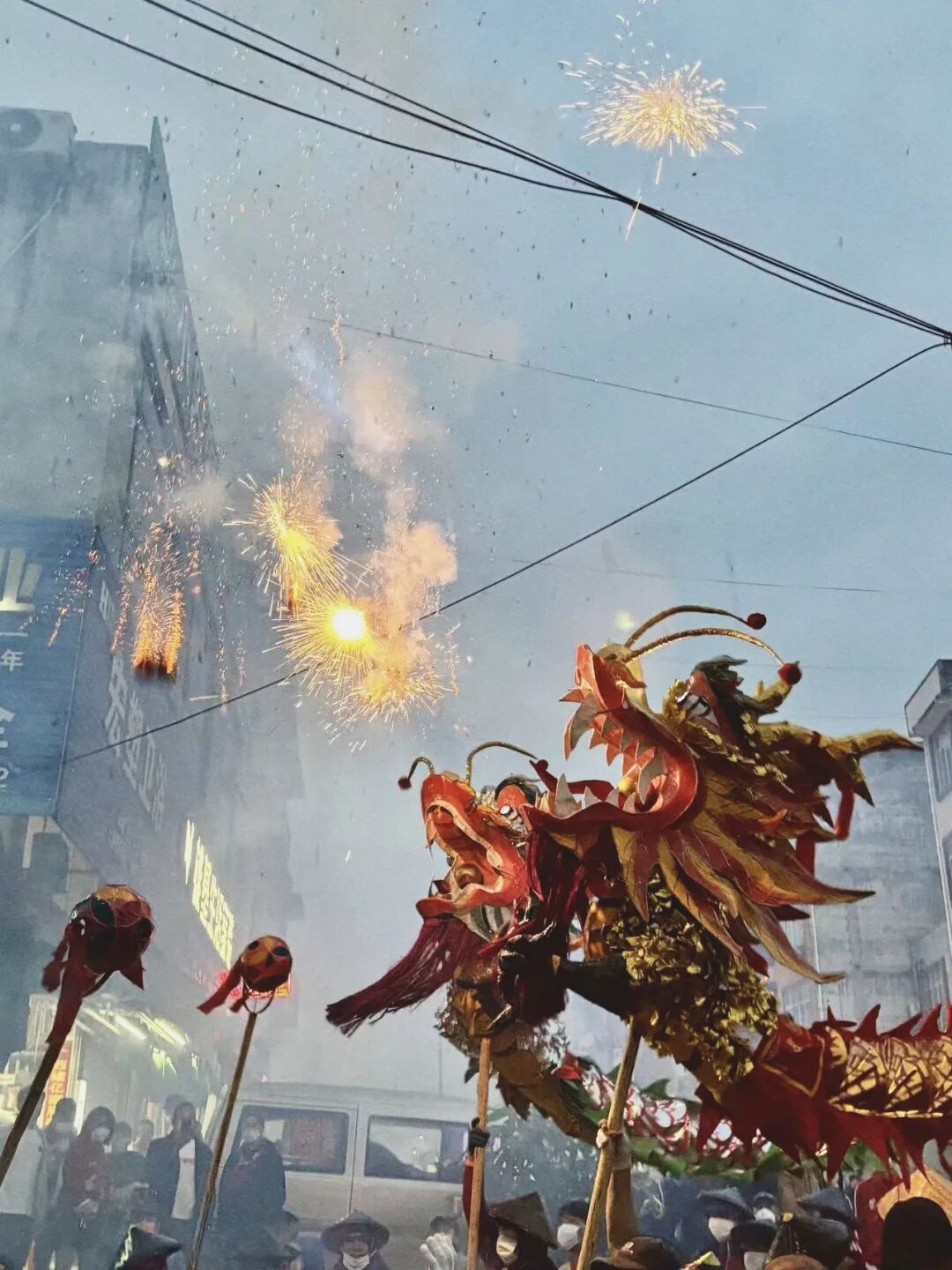
Core Viewpoint - The "Pao Long Festival" in Guangxi has gained significant popularity on social media, being described as a "game for the brave" and an "Eastern carnival" from Guangxi, despite its long-standing cultural significance and history of over a thousand years [1]. Group 1: Festival Overview - The Pao Long Festival is celebrated annually, particularly in Binjiang County, which is recognized as the birthplace of the festival, featuring a rich history of bamboo weaving dating back to the Tang Dynasty [3]. - The festival is characterized by grand celebrations, with numerous activities and a high number of Pao Longs, particularly on the eleventh day of the lunar new year [3]. Group 2: Cultural Significance - For locals, the Pao Long Festival is not merely a recent trend but a vital occasion for community bonding and expressing good wishes for the new year, deeply rooted in tradition [1]. - The festival includes various customs, such as the "Hundred Family Banquet," where local families come together to celebrate, showcasing the communal spirit [32]. Group 3: Local Economy and Tourism - The rise of the Pao Long culture has led to significant changes in local commerce, with the emergence of creative shops and workshops, attracting tourists year-round [20]. - The local economy benefits from the festival, with various food stalls and souvenir shops thriving during the celebrations, indicating a positive impact on the community's livelihood [9][20]. Group 4: Safety and Regulations - The festival organizers ensure safety by using specially designed firecrackers with low gunpowder content, enhancing the safety of the Pao Long activities [25]. - Participants are advised to take precautions, such as wearing masks and using ear protection, to mitigate the risks associated with the loud fireworks [26].

西宁:社火闹新春 民俗绽异彩
Xin Lang Cai Jing· 2026-02-26 18:39
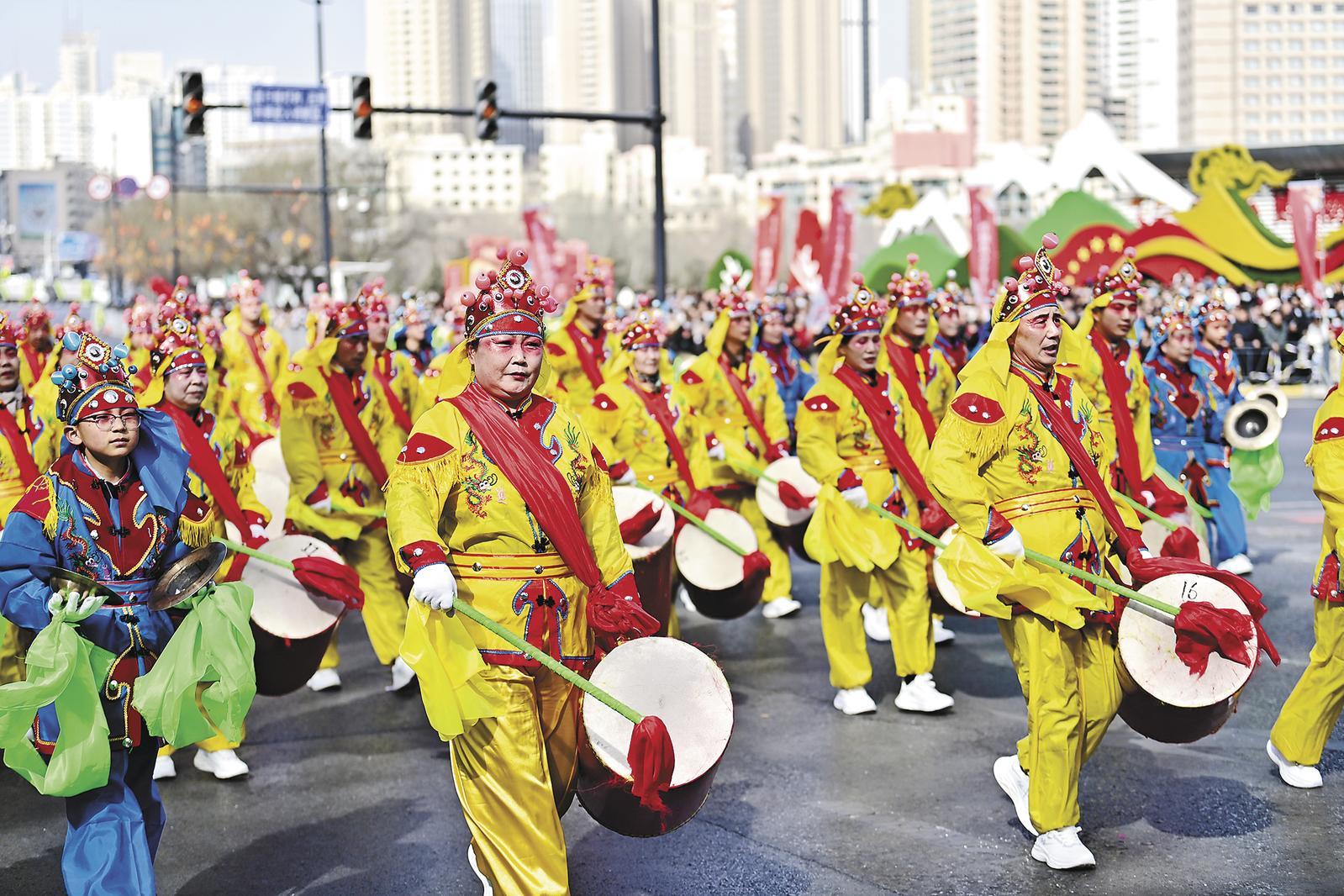
Group 1 - The event in Xining's city center continued the festive atmosphere of the Spring Festival with a parade featuring nine formations under the theme "Horses Leap into the New Year, Leopards Gaze at Kunlun for Blessings" [8] - Performances included stilt walking, dragon and lion dances, and various folk customs, attracting a large audience and creating a vibrant festive scene [8] - Traditional intangible cultural heritage programs such as fan dancing and yangge were showcased, enhancing the celebratory spirit and engaging the audience [8]
成功挑战“最大规模的社火表演”吉尼斯世界纪录
Xin Lang Cai Jing· 2026-02-26 18:39
Core Viewpoint - The event held on February 26, 2026, in Haidong City successfully challenged the Guinness World Record for the largest scale of a traditional folk performance, featuring 3,456 performers, showcasing the rich cultural heritage of the region [1] Group 1: Event Overview - The event is part of the "Qinghai Year · Most Haidong" Spring Festival cultural tourism series, highlighting local customs and intangible cultural heritage [1] - The performance included traditional folk activities such as lion dances, dragon dances, and various other cultural displays, emphasizing the vitality and depth of the Hehuang culture [1] Group 2: Record Achievement - The Guinness World Record was officially recognized, with the title being "Largest Scale of Folk Performance," measured by the number of effective participants, which was confirmed to be 3,456 [1]
“火老虎”里的民间欢乐和智慧
Xin Lang Cai Jing· 2026-02-26 17:41
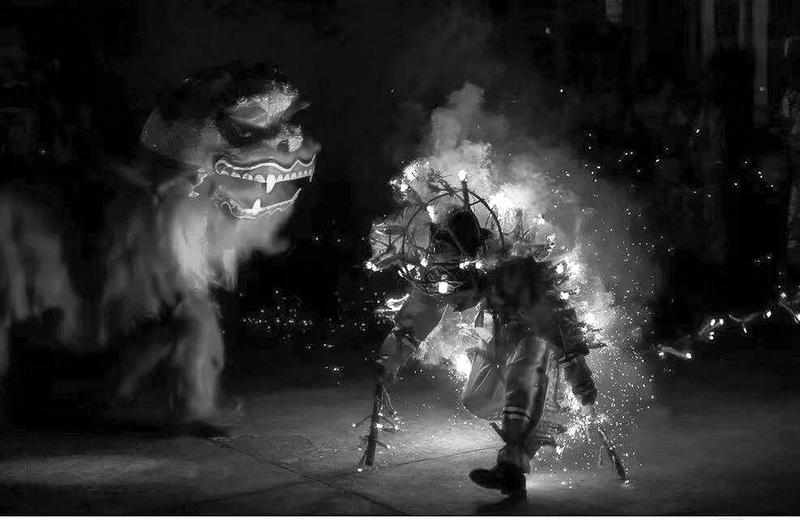
Core Viewpoint - The "Fire Tiger" performance is a traditional folk dance that combines elements of martial arts and theatrical storytelling, showcasing the cultural heritage of the Fengtai region and attracting significant audience engagement through its dramatic and visually captivating elements [5][10]. Group 1: Performance Description - The performance begins with a lion dance, where performers mimic the movements of lions under the guidance of a lantern holder, symbolizing a ritual of respect and good fortune [6][7]. - The "Fire Tiger" enters the stage after the lion dance, characterized by its fiery appearance and dynamic movements, creating a thrilling spectacle for the audience [8][9]. - The climax of the performance involves a fierce battle between the lions and the "Fire Tiger," culminating in the tiger's retreat into a nearby pond to extinguish the flames, a scene that has been modified in modern performances [9][10]. Group 2: Cultural Significance - The "Fire Tiger" performance is deeply rooted in local folklore and traditions, serving as a means of community celebration and cultural expression [5][10]. - The performance has evolved over time, with modern adaptations focusing on safety and accessibility while maintaining the essence of the traditional art form [14]. Group 3: Construction and Preparation - The "Fire Tiger" costume is crafted from local materials, including wild hemp, which provides a lightweight and sturdy structure for the performer [11][12]. - The costume features a complex assembly of components, including the tiger's head, body, limbs, and tail, all designed to facilitate the performer's movements while creating a visually striking effect [11][12]. - The ignition of the costume involves multiple performers lighting hundreds of hemp strings, creating the signature smoke and fire effect that defines the "Fire Tiger" [13][14].
这群大妈好飒!自学舞龙解锁多种造型
Xin Lang Cai Jing· 2026-02-25 19:59
Group 1 - The article highlights the formation of a dragon dance team composed of rural women with no prior experience, showcasing their dedication and ability to learn through self-study and practice [2][3] - The team was initiated by a local elder who wished to revive the traditional dragon dance, which had previously been abandoned in the community [2][4] - The team members, initially inexperienced, have progressed to perform various dragon dance styles, demonstrating significant improvement in their skills within just over a month [3][4] Group 2 - The dragon dance team has positively impacted the participants' physical health and emotional well-being, fostering a sense of community and joy among the members [4] - During the Spring Festival, the team performed for local residents, receiving enthusiastic support and recognition from the community, which motivated them further [4] - Looking ahead, the team plans to engage in charitable performances and expand their repertoire, aiming to promote traditional culture and enhance their quality of life in their later years [5]
新春嘉年华 龙腾马跃会不停
Xin Lang Cai Jing· 2026-02-25 18:57
Core Viewpoint - The article highlights the vibrant and diverse cultural celebrations during the Spring Festival in Chengdu, showcasing various traditional events that reflect local customs and community spirit [5][19]. Group 1: Cultural Events - The "Welcoming the God of Wealth" event at Zhaogong Mountain has a history of over a thousand years and marks the beginning of numerous folk activities in the region, attracting both local and international visitors [7][8]. - The "Shang Jiu" temple fair at Mazu Temple emphasizes the integration of traditional Chinese medicine and agricultural culture, celebrating the cultivation of Chuanxiong [9][10]. - The "Chun Tai" fair in Yuantong Ancient Town is known as the "first fair of the Sichuan Basin," featuring a rich history and various activities, including the impressive "Hui Jiang Old Dragon" parade [12][14]. Group 2: Unique Local Traditions - The "Hui Jiang Old Dragon" parade involves a 272-segment dragon, symbolizing the unity and cultural heritage of the region, and is a highlight of the Chun Tai fair [14][15]. - The "Iron Flower" performance, a traditional craft of Yuantong, showcases the skills of local artisans and adds a unique visual spectacle to the festivities [15]. - The "Hakka Dragon" dance in Luodai reflects the unique blend of Hakka culture and local traditions, with a performance structure that includes rituals and various traditional movements [17][18]. Group 3: Culinary Highlights - The "Shang Jiu" fair features unique dishes such as "Cold Dressed Chuanxiong Tips," which are praised for their health benefits and flavor, attracting visitors to local eateries [11]. - The culinary offerings at these fairs not only highlight local ingredients but also serve as a means of cultural expression, enhancing the overall festive experience [11][18]. Group 4: Cultural Significance - The article emphasizes that these diverse celebrations are not merely entertainment but are deeply rooted in local history, agriculture, and community identity, creating a rich cultural tapestry for the Spring Festival in Chengdu [19].
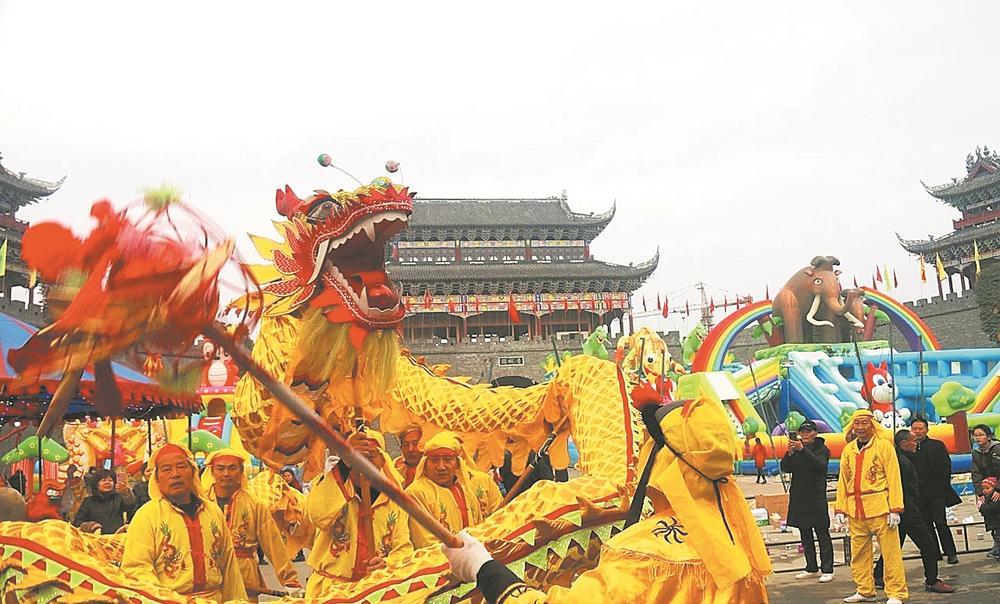
达州“元九登高”为啥这么火?
Xin Lang Cai Jing· 2026-02-25 18:57
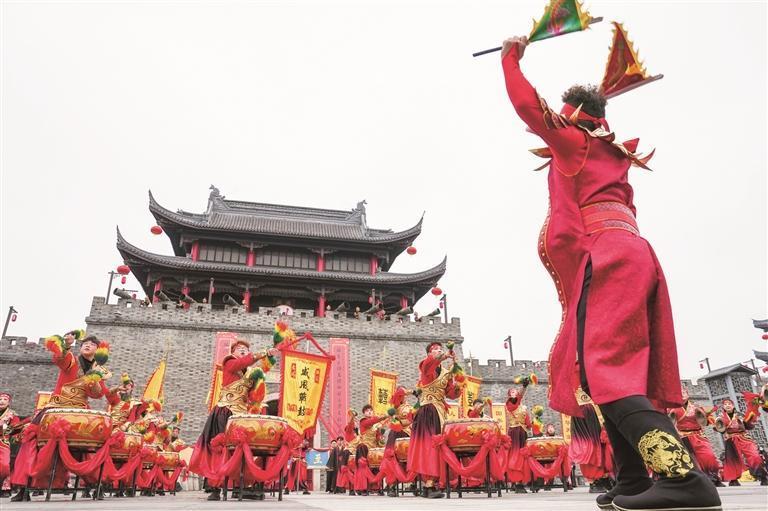
Core Insights - The "Yuan Jiu Climbing" event in Dazhou, themed "Climbing Every Year, Progress for Everyone, Cultural Tourism Integration, Enjoying Dazhou," attracted over 300,000 participants in a single day, marking a record high for the event [3][6][9] Group 1: Event Overview - The event runs from the ninth day of the lunar new year to the Lantern Festival, showcasing Dazhou's unique cultural heritage and city spirit [3] - Key locations such as Phoenix Mountain, Cui Ping Mountain, and Zhenfo Mountain saw significant visitor turnout, contributing to the event's success [3][4] Group 2: Activities and Attractions - Phoenix Mountain served as the main venue, featuring immersive experiences and traditional games that engaged both adults and children [6][7] - The event included various cultural performances, such as lion dances and folk songs, enhancing the festive atmosphere [6][9] Group 3: Community Engagement - Over 160 staff and volunteers provided services to ensure a safe and enjoyable experience for visitors, including offering water and first aid [7] - Interactive elements like poetry recitals and historical storytelling enriched the cultural experience for attendees [7][8] Group 4: Evening Festivities - A large-scale intangible cultural heritage performance took place in the evening, featuring a parade and traditional performances that captivated the audience [9] - The event also included a historical exhibition on Yuan Zhen, deepening the cultural connection for participants [9] Group 5: Extended Celebrations - The event features a "Cultural and Creative Consumption Festival" with limited edition climbing souvenirs and local delicacies, providing a comprehensive experience for visitors [10] - Subsequent activities include folk performances and a lantern festival, ensuring ongoing engagement and celebration [10]
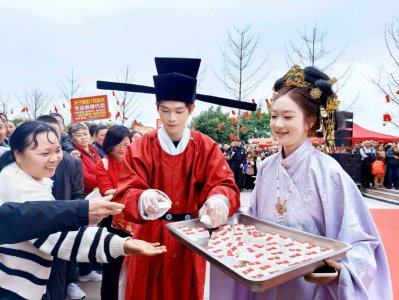
无锡梅村泰伯庙会开幕,民俗巡游非遗展演展现吴韵特色
Xin Lang Cai Jing· 2026-02-25 17:54
Group 1 - The article highlights the annual Meichun Taibo Temple Fair held in Wuxi, Jiangsu Province, which commemorates Taibo's journey to Wu [2] - This year's fair features the theme "Running to Wu," incorporating folk parades, intangible cultural heritage performances, and cultural markets, showcasing local Wu culture [2] - The event attracts numerous citizens and tourists, emphasizing its significance in promoting local traditions and cultural heritage [2]
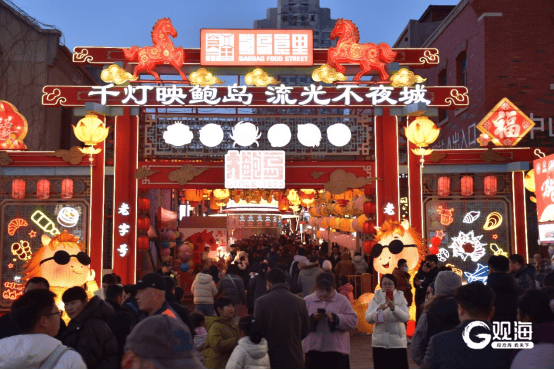
七天销售额超3000万元!青岛萝卜·元宵·糖球会燃爆新春消费潮
Sou Hu Cai Jing· 2026-02-24 12:52
Core Insights - The Qingdao Radish Lantern Festival has successfully attracted 2.88 million visitors and generated sales of 30.37 million yuan during the first week of the Spring Festival, showcasing a strong boost to cultural tourism consumption in the city [1] - The festival has become a popular destination, blending historical elements with modern customs, and features over 300 stalls offering a variety of traditional and innovative food options [1][3] - The event has also gained significant online traction, with social media platforms buzzing with content related to the festival, highlighting its cultural significance and culinary offerings [3] Visitor and Sales Performance - On the fourth day of the festival, a peak of 480,000 visitors was recorded, with sales reaching 4.944 million yuan, marking the highest daily sales since the event's opening [3] - The festival's food stalls, particularly those featuring traditional and innovative snacks, have seen overwhelming demand, leading to shortages of popular items [3] Cultural and Social Impact - The festival has transformed the Dabaodao area into a vibrant cultural hub, with evening activities including light displays and performances, enhancing family engagement and community spirit [5] - The upcoming launch of the Haiyun Temple venue is expected to further stimulate cultural tourism and contribute to Qingdao's development as a modern international city [6]
醒狮闹春迎新岁,乡音唱响新农村!湛江吴川“村晚”年味拉满
Nan Fang Nong Cun Bao· 2026-02-24 03:06
Core Viewpoint - The 2026 "Yue Mei Village Evening" event in Wuchuan, Zhanjiang, showcases local culture and traditions, emphasizing community participation and the integration of modern and traditional art forms to celebrate the Lunar New Year [4][6][39]. Group 1: Event Overview - The "Yue Mei Village Evening" took place on February 22, 2026, marking the Lunar New Year celebrations in Wuchuan, Zhanjiang [4][6]. - The event was guided by the Wuchuan Municipal Committee and organized by various local cultural and tourism departments, highlighting the importance of community involvement [7][8]. Group 2: Cultural Significance - The theme of the event was "Advancing New Journey, Singing New Rural," focusing on local cultural heritage and community engagement [9][39]. - The performances included a variety of art forms such as dance, drama, and traditional music, reflecting both local traditions and contemporary influences [10][11]. Group 3: Audience Engagement - The event attracted significant attendance, with a vibrant atmosphere created by food stalls and cultural activities, allowing attendees to enjoy performances while experiencing local flavors [24][26]. - The event was broadcasted online, reaching over 130,000 viewers, thus expanding its influence and allowing those unable to attend in person to participate virtually [28][30]. Group 4: Future Implications - The "Village Evening" serves as a platform for showcasing grassroots cultural initiatives, encouraging community members to take active roles in cultural development [41][42]. - The event aims to integrate local arts and traditions with modern narratives, contributing to the cultural vitality and high-quality development of Guangdong province [44].
