内啡肽驱动付费

Search documents
2026年了,为什么还没有一款千万级DAU的AI陪伴产品跑出来?
创业邦· 2026-01-06 10:05
Core Insights - The article discusses the challenges faced by AI companionship products in achieving significant user engagement, particularly the lack of products with over ten million daily active users (DAU) despite a growing market for AI companions [6][15] - It highlights the importance of understanding user needs and the emotional connections that AI products can foster, particularly among young women who represent a valuable target demographic [11][12] Market Opportunities - There is a significant market opportunity targeting young women, who have a genuine need for emotional connection and companionship [11][12] - The success of products like乙女游戏 (Otome games) demonstrates the potential for high-quality virtual emotional experiences to attract female users [11] User Behavior and Retention - A survey revealed that many users have tried AI companionship products but abandoned them after a short period, indicating low retention rates [8] - The discussion suggests that broad, generic companionship products are likely to fail due to a lack of deep interaction and connection with users [10] Product Differentiation - Two promising directions for AI companionship products are identified: emotional and relationship-oriented products for young women, and AI personal assistants that integrate deeply into daily life [10][12] - The article emphasizes that AI personal assistants should focus on building trust and long-term relationships rather than just providing immediate utility [12] Emotional Value and User Engagement - The article argues that products providing only superficial emotional value will struggle to retain users, as they fail to create meaningful connections [13][15] - Successful AI companionship products should aim to evoke deeper emotional responses and provide ongoing engagement rather than just momentary entertainment [13][15] Monetization Strategies - The exploration of monetization models suggests that subscription services may not be the best approach; instead, virtual goods and IP derivatives could offer more potential [18] - Users are driven to pay for companionship products by either immediate gratification (dopamine) or long-term growth (endorphins) [17][18] The Nature of Companionship - The article posits that the need for AI companionship stems from a fundamental lack of relationships in modern society, with AI serving as a means to fill this void [21][22] - It categorizes companionship needs into three types: familial, friendship, and romantic, corresponding to different AI product types [21] Future Trends - By 2026, the AI companionship market is expected to evolve significantly, with a clearer differentiation of roles and the emergence of various IP forms [44][46] - The article predicts that AI companionship products will increasingly focus on relationship-building and user engagement, leading to a more personalized experience [46]

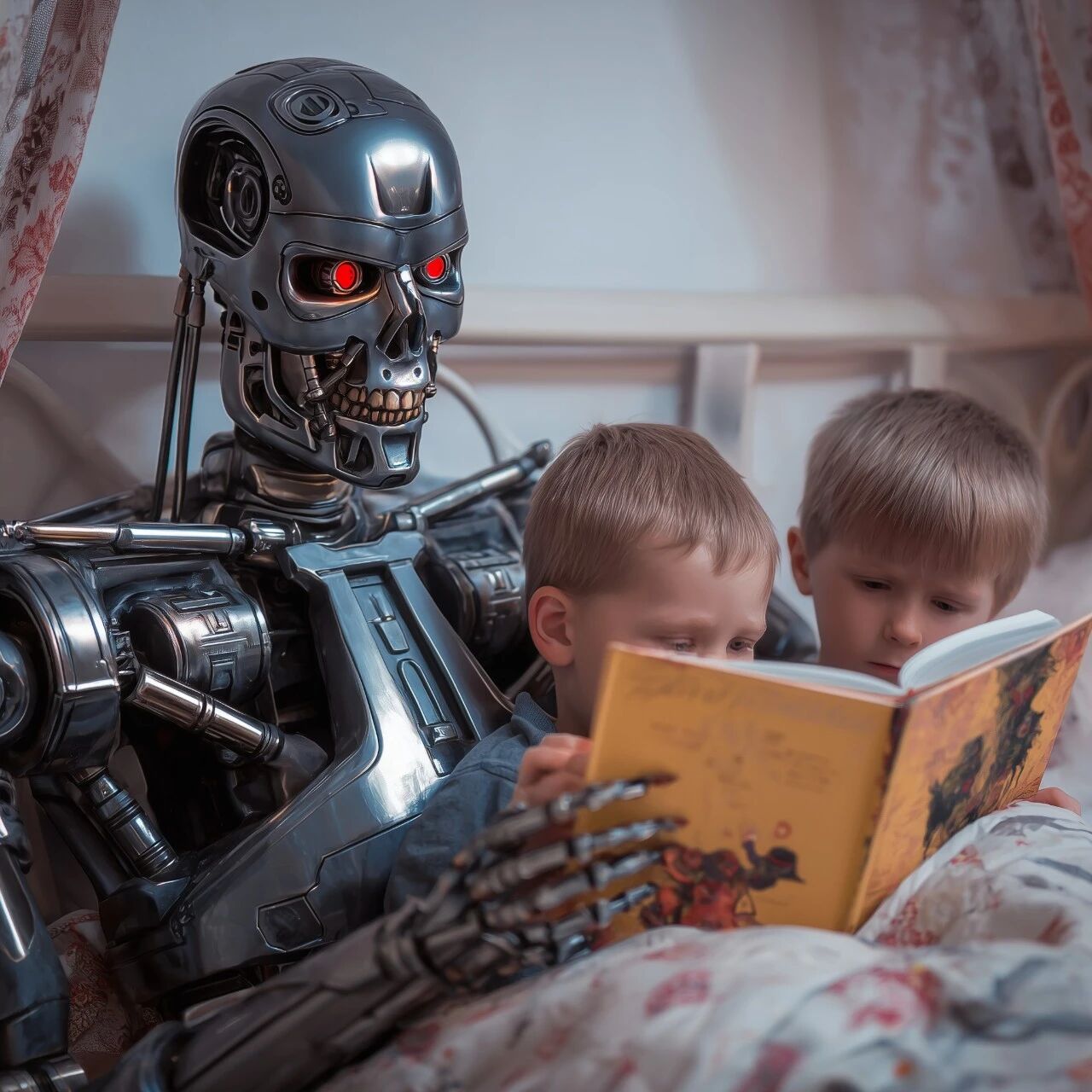
AI 陪伴赛道复盘:2026 年了,为什么还没有一款千万级 DAU 的产品跑出来?
Founder Park· 2026-01-04 11:43
Core Insights - The AI companionship market has seen a surge in products, but none have achieved a million daily active users (DAU) due to low user retention and engagement [1][5][17] - The need for AI companionship stems from a fundamental lack of human relationships, with AI serving as a means to fill this void and provide emotional support [25][27] Group 1: Market Dynamics - In 2025, numerous AI companionship products emerged, including robots and virtual partners, but many failed to retain users beyond three months [1] - A survey revealed that most users who tried AI companionship products eventually abandoned them, indicating low retention rates [5] - The market is fragmented, with various opinions on which AI companionship categories will thrive or fail in the coming years [5][6] Group 2: Target Demographics - Young women are identified as the most valuable target demographic for AI companionship products, driven by their genuine need for emotional connection [8][9] - The success of products like dating simulations demonstrates the strong appeal of emotional experiences for female users [9][10] Group 3: Product Insights - Successful AI companionship products are expected to focus on deep emotional connections rather than generic interactions [14][15] - AI personal assistants that integrate into daily life and build trust through long-term interactions are seen as promising [12][13] - Products that merely provide superficial emotional value are unlikely to succeed in the long term [14][15] Group 4: User Engagement and Monetization - The logic of companionship differs from traditional tools; high engagement may not equate to high DAU, as users may not need the product once their emotional needs are met [18][20] - Payment models for AI companionship products are evolving, with a focus on user satisfaction and emotional value rather than just problem-solving [21][22] - Virtual goods and IP derivatives are emerging as potential monetization strategies beyond subscription models [23][24] Group 5: Future Trends - By 2026, the AI companionship landscape is expected to evolve, with products becoming more role-specific and integrated into users' lives [58][61] - The distinction between AI companions and co-pilots will blur, leading to a more nuanced understanding of companionship [58] - The industry will likely see increased customization and personalization, catering to individual user needs and preferences [49][50]