冰川均衡调整

Search documents
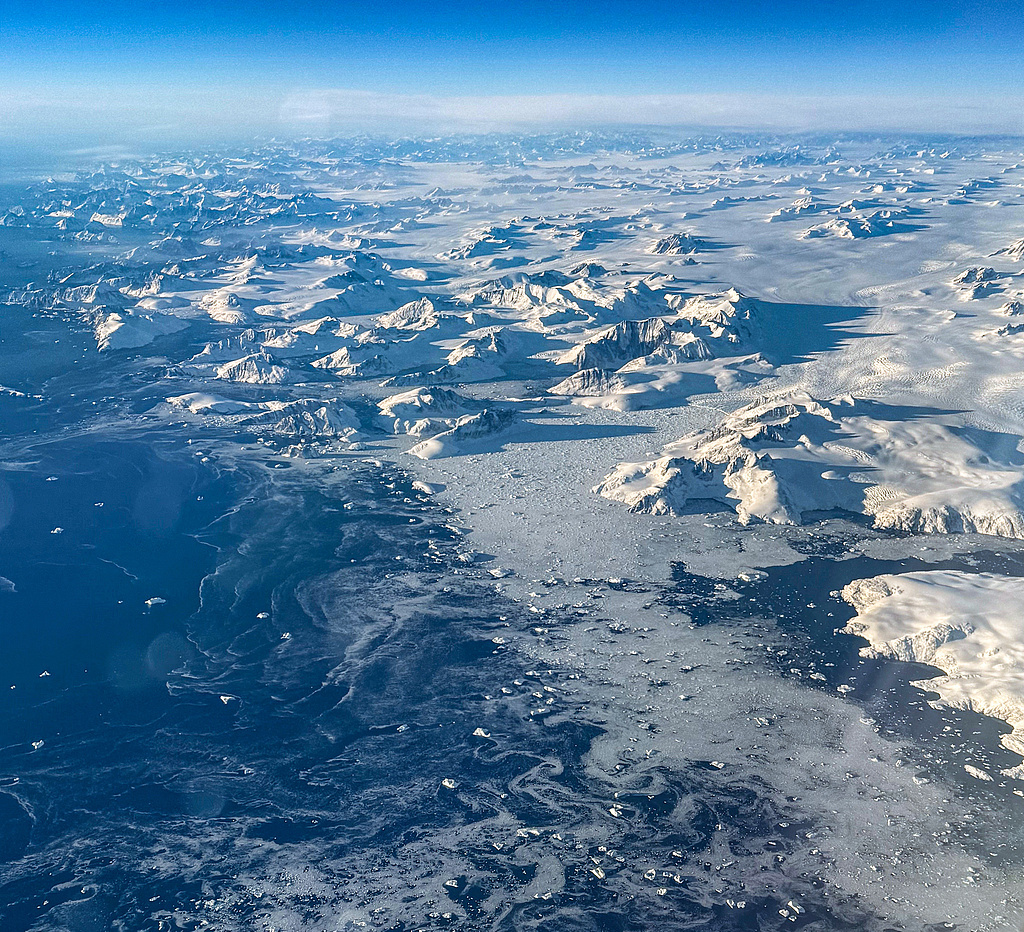
新研究表明格陵兰岛冰盖消融会导致周边海平面下降
Xin Hua She· 2026-01-21 09:58
Group 1 - The core finding of the research indicates that while global warming leads to rising sea levels, the melting of the Greenland ice sheet will cause regional sea level decreases around Greenland due to land rebound effects [1][2] - The study predicts that by the end of this century, sea levels around Greenland could decrease by 1 to nearly 4 meters, contrary to the traditional understanding of uniform sea level rise [1] - The research combines a "glacial isostatic adjustment" model with observations of sea level and vertical crustal movement, revealing that the mass loss of the ice sheet is the primary driver of the regional sea level decline [1][2] Group 2 - Measurements from GPS indicate that Greenland's bedrock is rising faster than previously expected, suggesting that mantle flow occurs more rapidly when the ice sheet shrinks [2] - Incorporating mantle flow into predictive models shows that the decline in sea level around Greenland could exceed traditional predictions by 25% to 65% by the end of the century [2] - The decline in sea level poses new challenges for local infrastructure, shipping, and food security, highlighting the importance of understanding the relationship between glacial melting and sea level changes [2]
受全球变暖等因素影响,格陵兰岛正在缩小且向西北漂移
Huan Qiu Shi Bao· 2025-11-06 02:04
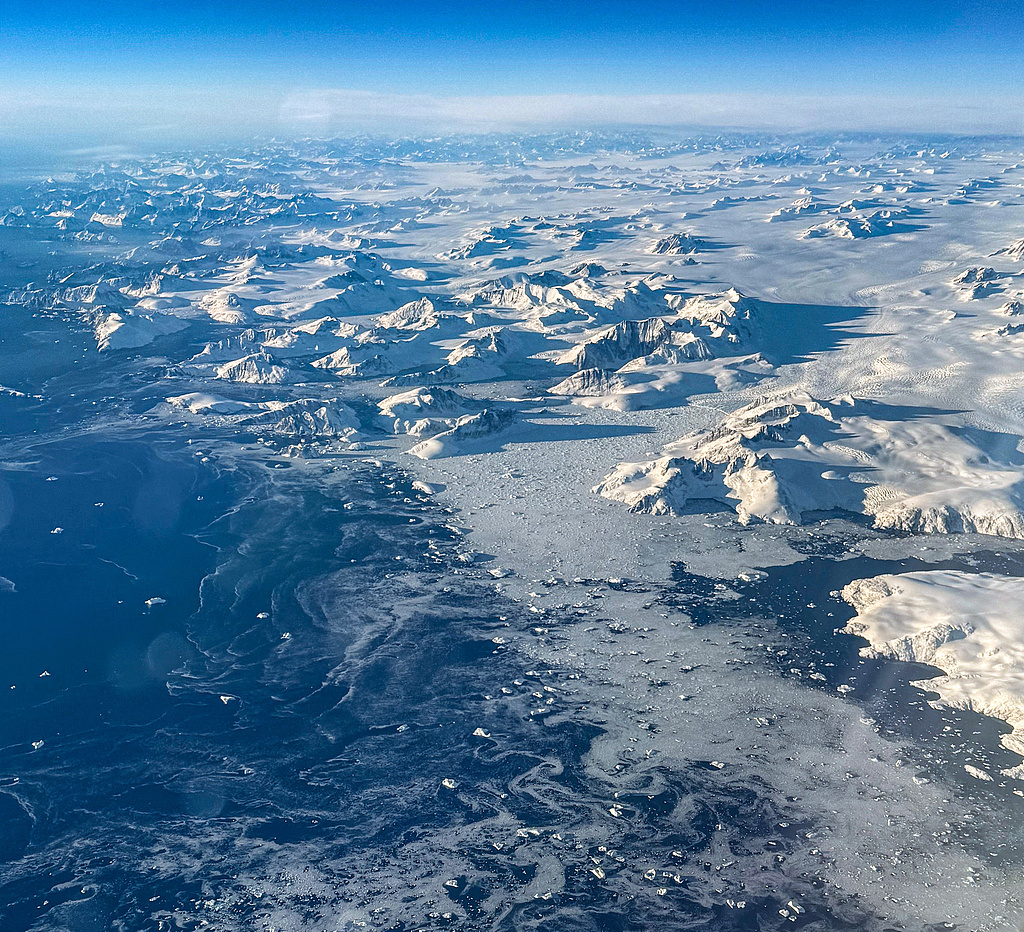
Core Insights - A recent study indicates that Greenland is shrinking in size and drifting slowly northwest due to global warming and other factors [1][3] Group 1: Research Findings - The study, conducted by researchers from the Technical University of Denmark and published in the journal "Geophysical Research Letters," analyzed data from 58 global navigation satellite system monitoring stations around Greenland [3] - Greenland is drifting northwest at a rate of approximately 2 centimeters per year, with some areas experiencing uplift while others are sinking [3] - The horizontal crustal movement in Greenland is influenced by three geological forces: tectonic plate interactions, reduced pressure on the bedrock due to glacial melting, and long-term rebound from the last ice age [3] Group 2: Climate Impact - The movement of Greenland highlights how climate change-induced glacial melting is reshaping the surface and affecting geological foundations [3] - Greenland's ice sheet is one of the world's largest freshwater resources, with enough water to potentially raise global sea levels by 7.4 meters [3] - According to the Copernicus Climate Change Service, a 1-centimeter rise in sea level puts approximately 6 million people at risk of coastal flooding globally [3]

丹麦新研究:受全球变暖等因素影响,格陵兰岛正在缩小且向西北漂移
Huan Qiu Shi Bao· 2025-11-04 22:53
Core Insights - A recent study indicates that Greenland is shrinking in size and drifting slowly northwest due to global warming and other factors [1][3] Group 1: Research Findings - The study, conducted by researchers from the Technical University of Denmark and published in the journal "Geophysical Research Letters," analyzed data from 58 global navigation satellite system monitoring stations around Greenland [3] - Greenland is drifting northwest at a rate of approximately 2 centimeters per year, with some areas experiencing uplift while others are sinking [3] - The horizontal crustal movement in Greenland is influenced by three geological forces: tectonic plate interactions, reduced pressure on the bedrock due to glacier melting, and long-term rebound from the last ice age [3] Group 2: Climate Impact - The movement of Greenland highlights how climate change-induced glacier melting is reshaping the surface and affecting geological foundations [3] - Greenland's ice sheet is one of the world's largest freshwater resources, with enough water to potentially raise global sea levels by 7.4 meters [3] - According to the Copernicus Climate Change Service, a 1-centimeter rise in sea level puts approximately 6 million people at risk of coastal flooding globally [3]