初代网红奶茶品牌

Search documents
初代网红品牌关店超百家、退出多地市场!经典产品风靡一时,产业总量开始压缩
Huan Qiu Wang· 2026-01-13 12:08
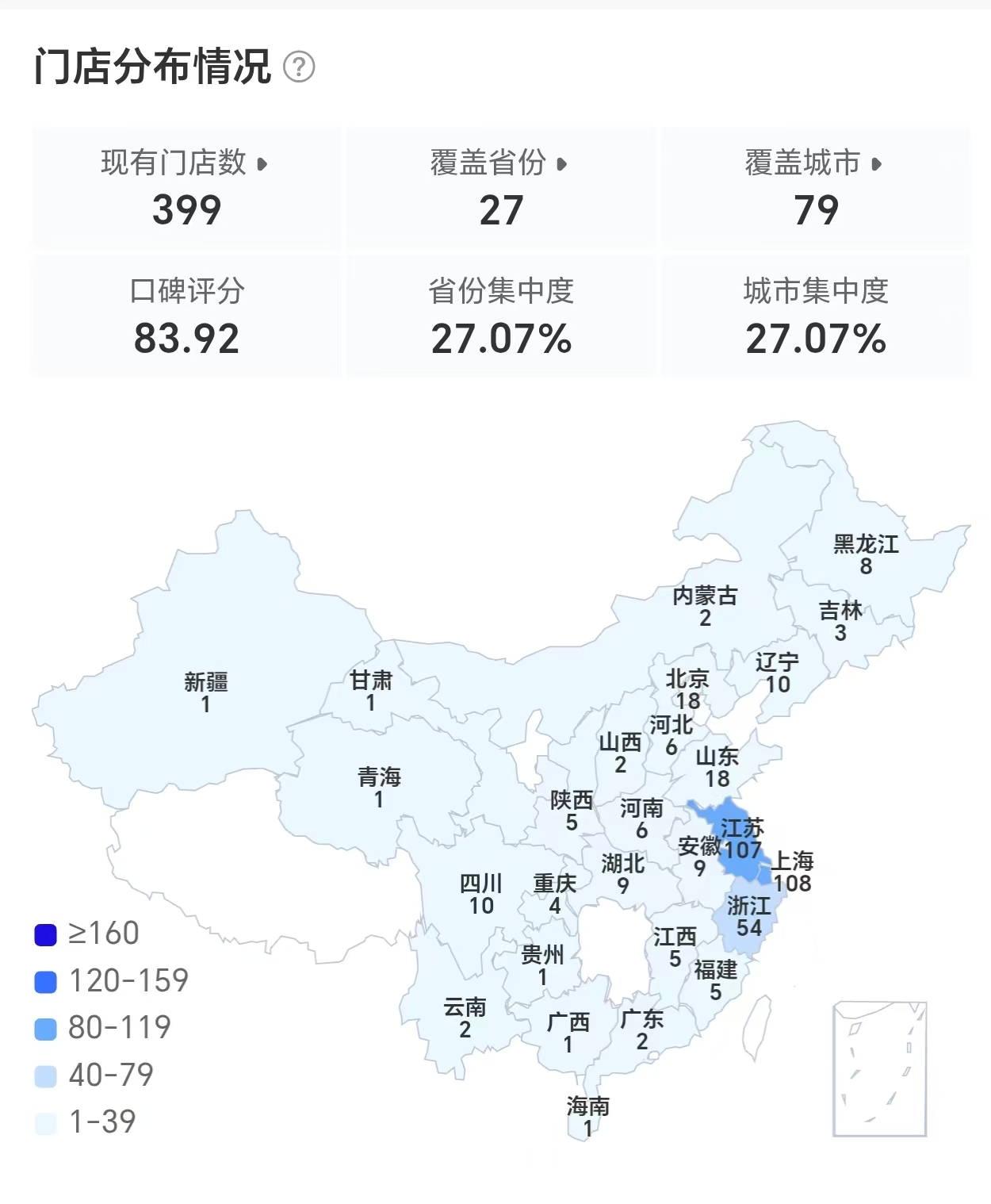
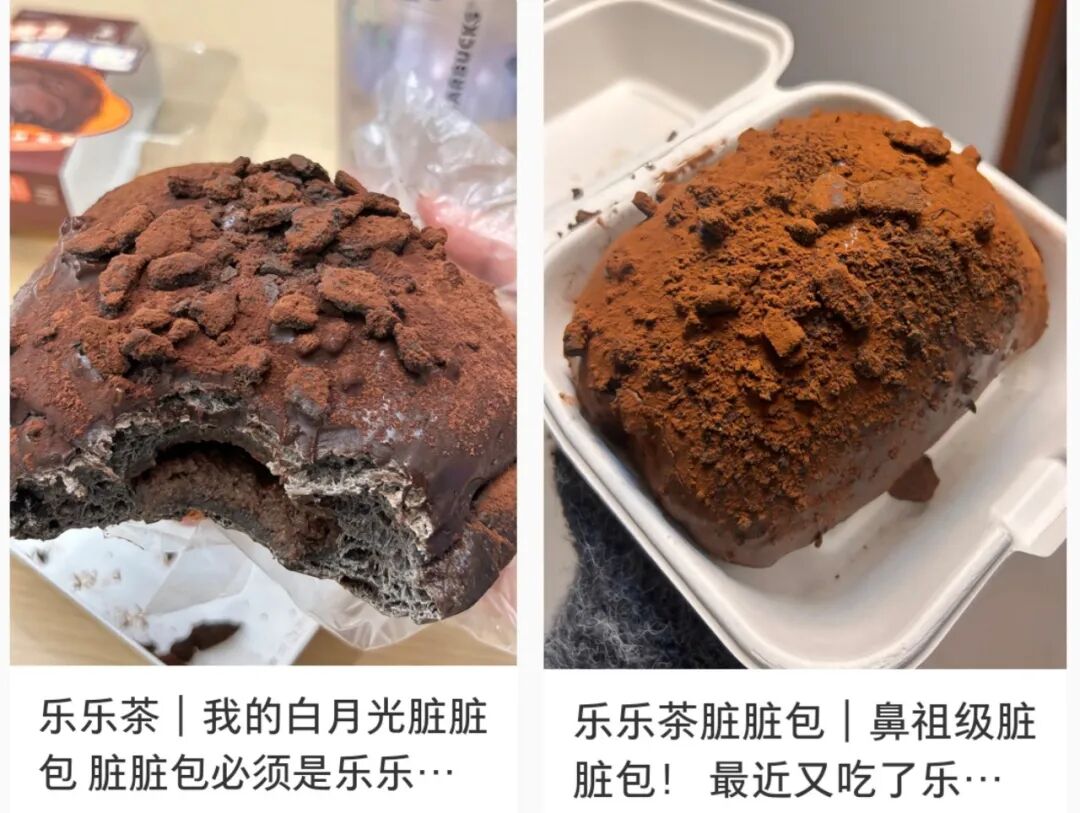
Core Viewpoint - The closure of all LELECHA stores in Zhengzhou and the significant reduction in the number of stores nationwide highlight the challenges faced by the brand in a competitive market [1]. Company Overview - LELECHA, founded in Shanghai in 2016, gained popularity with its "dirty bread" product and expanded rapidly, reaching over 399 stores across 27 provinces and 79 cities [1]. - The brand has recently faced a decline, with 132 store closures in the past year, indicating a negative growth trend [1]. Financial and Investment Insights - In 2022, Nayuki Tea acquired a 43.64% stake in LELECHA for 525 million yuan, valuing the company at approximately 1.2 billion yuan [8]. - The investment is expected to provide LELECHA with advantages in store expansion, supply chain, and digitalization while maintaining its independent operations [8]. Market Competition - The competitive landscape for milk tea brands has intensified, with many initial popular brands like LELECHA facing pressure from new entrants [8]. - As of January 2026, the total number of milk tea brands exceeded 4,000, with nearly 400,000 stores, but the net growth in stores has been negative, with a decrease of 35,000 stores in the past year [9].

乐乐茶回应退出郑州市场,近一年关店超百家
Xin Lang Cai Jing· 2026-01-13 03:37
Core Viewpoint - The tea brand Lele Tea is facing significant challenges, including the closure of all its stores in Zhengzhou and Guangzhou, leading to a total of 132 store closures in the past year, resulting in a negative growth in store numbers [1][9]. Company Overview - As of now, Lele Tea operates 399 stores across 27 provinces and 79 cities, with a customer satisfaction score of 83.92 [2][10]. - The brand has a high concentration of stores in Shanghai and Jiangsu, while several provinces have only one store each, indicating a lack of market penetration in those areas [9]. Investment and Ownership - In December 2022, Nayuki Tea acquired a 43.64% stake in Lele Tea for 525 million yuan, making it the largest shareholder. This investment valued Lele Tea at approximately 1.2 billion yuan [7][15]. - Following the acquisition, Lele Tea will remain an independent entity but will benefit from Nayuki's resources in areas such as store expansion and supply chain management [15]. Market Competition - The competitive landscape for tea brands has intensified, with many initial popular brands like Lele Tea facing pressure from new entrants. This has led to a contraction in the market, with a reported net decrease of 35,000 stores in the past year across the industry [8][16]. - Notably, other established brands like Heytea and Nayuki Tea have also been closing stores, indicating a broader trend of scaling back in the face of fierce competition [8][16].