包产到户

Search documents
牲口圈里故事多
Xin Lang Cai Jing· 2026-02-12 04:07
Group 1 - The article reflects on the historical significance of livestock pens in rural communities, highlighting their role in agricultural production and social gatherings [3][4][5] - Livestock pens served as multifunctional spaces, not only for housing animals but also for community meetings and social interactions, especially during winter [3][4] - The narrative emphasizes the dedication of caretakers who worked tirelessly to ensure the well-being of the livestock, which was crucial for agricultural productivity [2][4] Group 2 - The transition from communal livestock pens to private farming practices post-1978 marked a significant change in rural life, leading to the disappearance of these traditional structures [4][5] - The memories associated with livestock pens, including the stories and experiences shared by community members, are cherished and reflect a deep sense of nostalgia [5]
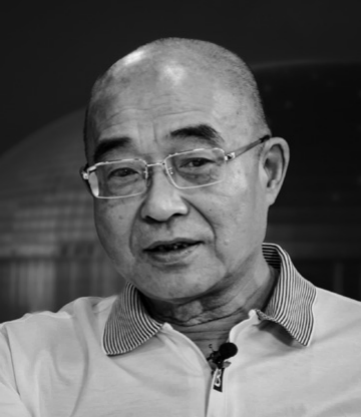
追忆翁永曦,致敬了不起的农村改革
Xin Lang Cai Jing· 2026-02-08 10:18
Core Viewpoint - The article reflects on the life and contributions of Weng Yongxi, a key figure in China's rural reform during the early stages of the economic transformation, highlighting his role in the implementation of the household contract responsibility system that significantly improved agricultural productivity and food security in China [2][12]. Group 1: Historical Context and Contributions - Weng Yongxi was a prominent figure during the early reform era in China, known as one of the "Four Gentlemen of Reform" [2]. - He participated in the rural reform movement starting in the late 1970s, addressing critical issues such as low agricultural productivity and widespread poverty among the rural population [2][6]. - The initial reforms aimed to solve the food scarcity problem, with the first significant step being the introduction of the household contract responsibility system, which allowed farmers to manage land individually [7][11]. Group 2: Key Events and Developments - In 1978, farmers in Fengyang's Xiaogang Village signed a "death warrant" to divide land among households, a bold move that contradicted existing policies [3][5]. - The 11th Central Committee's Third Plenary Session in December 1978 marked a pivotal moment for reform, although initial resistance to the idea of household contracts persisted [5][6]. - Weng Yongxi, along with a group of young reformers, played a crucial role in drafting key policy documents that led to the formal recognition of the household contract system in 1982 [6][7]. Group 3: Impact of Reforms - The implementation of the household contract responsibility system resulted in a dramatic increase in agricultural output, with grain production rising from 304.8 million tons in 1978 to 407.3 million tons by 1984, averaging a growth rate of 4.9% per year [7][8]. - By 1984, the Chinese government officially announced that the issue of food security had been largely resolved, marking a significant milestone in the country's reform journey [8]. - The reforms initiated by Weng and his contemporaries not only addressed immediate food shortages but also laid the groundwork for broader economic transformations in China, including the establishment of a socialist market economy [10][11].