北方生态安全屏障

Search documents
统一标准完善生态环境损害赔偿制度机制
Xin Lang Cai Jing· 2026-02-07 23:55
Core Viewpoint - The ecological security is a crucial part of the national "five major security" strategy, emphasizing the need for a robust ecological environment damage compensation system to ensure that protectors are rewarded and destroyers are penalized [2][3]. Group 1: Importance of Legal Framework - Strengthening ecological protection and establishing a legal framework is essential for building the northern ecological security barrier, which is vital for national security, economic transformation, and sustainable development [3]. - The northern ecological security barrier encompasses multiple ecological systems and spans several provinces, necessitating clear legal standards for cross-province ecological compensation and responsibilities [3]. Group 2: Current Challenges in Compensation Mechanism - The ecological environment damage compensation system faces challenges such as fragmented legal bases and inconsistent standards across different regions, which complicates the handling of cross-regional cases [4][6]. - Existing laws like the Water Pollution Prevention Law and the Solid Waste Pollution Prevention Law outline compensation responsibilities, but there is a lack of unified definitions for "significant ecological damage," leading to disputes [5][6]. Group 3: Need for Improvement in Mechanisms - The quality of ecological damage assessment is critical for determining compensation responsibilities, yet there is a shortage of judicial assessment institutions and a lack of standardized assessment methods [7]. - The management of compensation funds is inefficient, with issues related to transparency and effectiveness in fund usage, which hampers ecological restoration efforts [7][9]. Group 4: Proposed Solutions for Improvement - There is a need to unify legal standards and procedures related to ecological damage compensation, including the establishment of a comprehensive ecological environment code [8]. - The introduction of a national ecological damage database and a dynamic management mechanism for assessment institutions is recommended to enhance accountability and standardization [8]. - Strengthening the role of prosecutorial agencies in ecological damage cases and improving inter-regional collaboration can enhance the effectiveness of ecological damage compensation efforts [9].


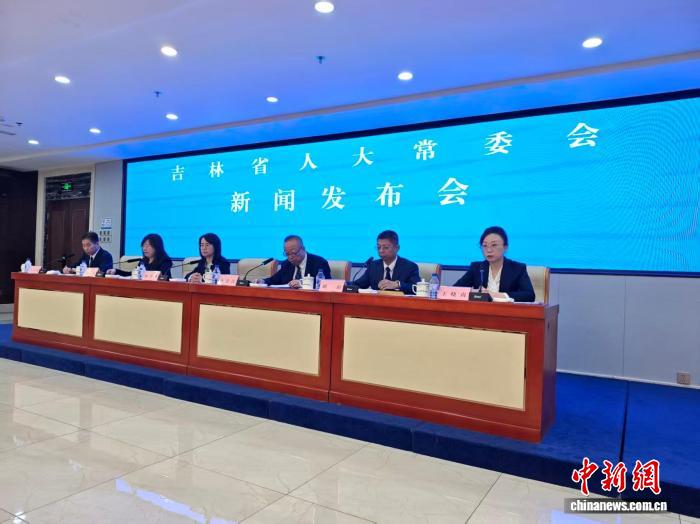
吉林对省域国土空间开发保护格局进行优化部署
Zhong Guo Xin Wen Wang· 2025-10-15 09:34
Core Viewpoint - The Jilin Provincial People's Congress Standing Committee has implemented a decision to optimize the spatial development and protection framework in Jilin Province, aiming to support high-quality development and achieve breakthroughs in comprehensive revitalization [1][3]. Group 1: Agricultural and Ecological Aspects - The decision emphasizes the strategic importance of the "black soil granary," focusing on the protection of black soil, the construction of high-standard farmland, and the improvement of saline-alkali land to ensure food security [3][4]. - It highlights ecological protection efforts in key areas such as the eastern forests, western windbreaks, and important ecological regions like Changbai Mountain and Chagan Lake, aiming to strengthen the ecological security barrier in northern China [3][4]. Group 2: Urban and Cultural Development - The decision underscores the role of the Harbin-Changchun urban agglomeration and the Changchun modern metropolitan area in promoting urban development, emphasizing intensive, sustainable growth and urban renewal [4]. - It also focuses on cultural preservation by promoting historical and cultural resources, such as Fuyu and Goguryeo, as well as the Northeast Anti-Japanese United Army, to enhance regional cultural identity [4]. Group 3: Border Security and Governance - A specific spatial strategy for border security is outlined, which includes initiatives for border prosperity and stability, reflecting a comprehensive approach to development and security [4][5]. - The decision establishes a framework for a "four-level, three-type" spatial planning system to support high-quality development, ensuring strict adherence to approved land use plans and regulatory compliance [5].