
北约与美国关系

Search documents
英国气炸了
Xin Lang Cai Jing· 2026-01-24 06:12
Core Viewpoint - The article discusses the backlash against former President Trump for his comments regarding NATO and the sacrifices made by British soldiers during the Afghanistan war, highlighting the emotional and political ramifications of his statements [2][5][7]. Group 1: Reactions from the UK - UK Prime Minister Starmer condemned Trump's remarks as insulting and expressed that they cause pain to the families of those who died or were injured in Afghanistan [7]. - The UK public and officials are united in their demand for an apology from Trump, emphasizing the significant sacrifices made by British soldiers, with 457 fatalities in the Afghanistan conflict [5][9]. - The emotional impact of Trump's comments is underscored by the personal stories of families affected by the war, as articulated by figures like Prince Harry [7]. Group 2: Broader European Response - Other European nations, including Poland and Canada, also expressed outrage at Trump's comments, highlighting their own military losses in Afghanistan [9]. - The article notes that many European countries feel disrespected by Trump's remarks, which belittle the sacrifices of their soldiers [9][11]. - The sentiment of betrayal is echoed across Europe, as nations that supported the U.S. in military endeavors feel insulted by Trump's dismissive attitude [13]. Group 3: Analysis of Trump's Attitude - Trump's comments reflect a broader disdain for NATO allies, suggesting that they have not contributed meaningfully to military efforts, which is seen as a significant diplomatic faux pas [11][13]. - The article argues that Trump's approach is indicative of a larger trend where U.S. leadership fails to respect the contributions of its allies, leading to a potential reevaluation of international relationships [13][15]. - The piece suggests that Trump's behavior is not an isolated incident but part of a pattern of disrespect towards allies, which could have long-term implications for U.S.-European relations [15].

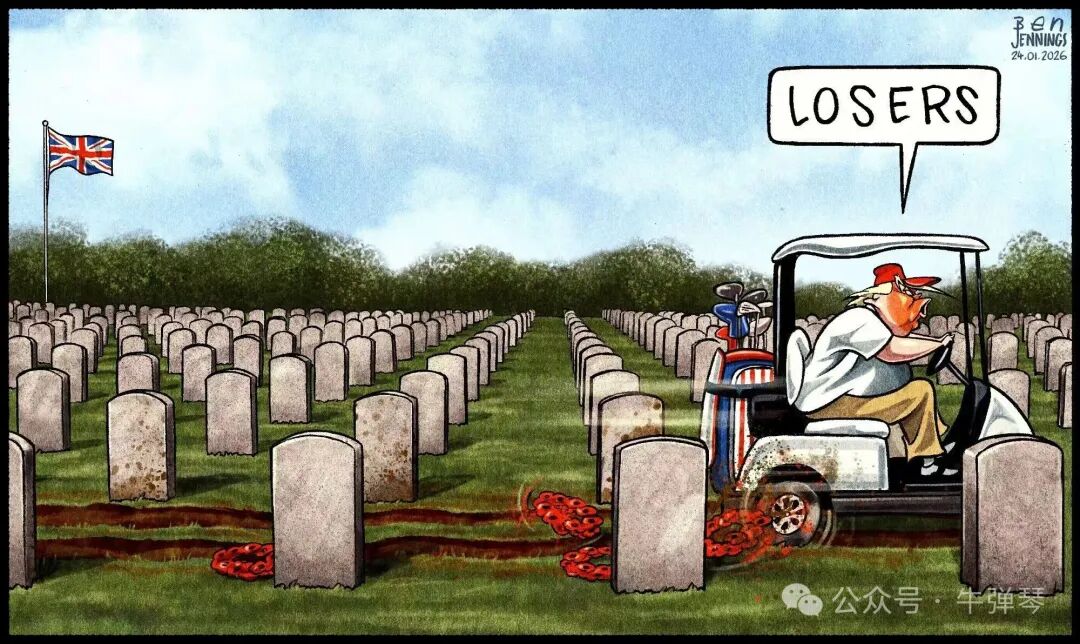
牛弹琴:英国气炸了
Xin Lang Cai Jing· 2026-01-24 01:12
Group 1 - The core issue revolves around Trump's insulting remarks about NATO and its member countries, particularly the UK, in relation to the sacrifices made during the Afghanistan war [2][24] - Trump stated that the U.S. never needed NATO and accused member countries of being passive during the Afghanistan conflict, which has sparked outrage in the UK and other European nations [4][24] - The UK lost 457 soldiers in Afghanistan, making their sacrifice significant, and the comments from Trump have been perceived as a direct insult to their memory [6][24][28] Group 2 - UK Prime Minister Starmer condemned Trump's remarks as offensive and expressed that such statements cause pain to the families of those who died or were injured in Afghanistan [8][26] - Other European countries, including Poland, Canada, Denmark, and France, have also expressed anger over Trump's comments, highlighting the disrespect shown to their fallen soldiers [10][28] - The article suggests that Trump's behavior reflects a broader trend of disrespect towards NATO allies, which has been a consistent theme during his presidency [12][30] Group 3 - The article argues that Western countries need to recognize the consequences of their loyalty to the U.S. and the resulting humiliation they face [14][32] - It points out that European leaders, including Starmer, have not taken a strong enough stance against Trump's insults, indicating a pattern of weakness in their responses [18][36] - The piece concludes with a call for European nations to stand firm and demand respect for their sacrifices, rather than allowing themselves to be belittled by the U.S. [20][38]
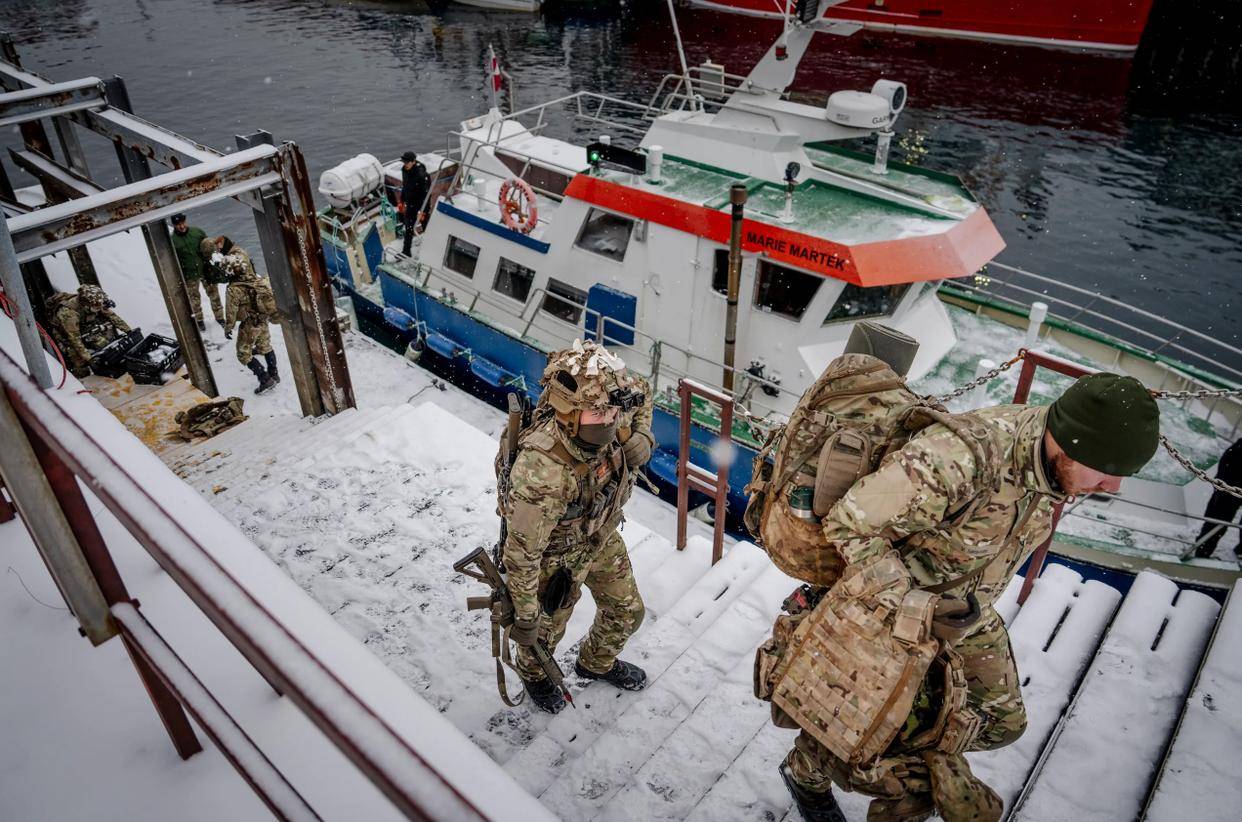
德国之后,荷兰也撤了!特朗普被曝误解欧洲多国派兵格陵兰岛“意图”,各方争相解释
Sou Hu Cai Jing· 2026-01-20 10:41
Core Viewpoint - The escalating conflict between the US and Europe over Greenland has led to President Trump's unexpected announcement of a 10% tariff on several major European countries, which analysts suggest could push NATO into its most severe crisis ever [1]. Group 1: US Actions and Reactions - On January 17, Trump announced additional tariffs on European countries due to misunderstandings regarding military personnel sent to Greenland, which he believed were for aggressive purposes [1][3]. - Following the tariff announcement, a German military team conducted a rapid evacuation from Greenland, indicating immediate repercussions of the US's decision [4]. - The Netherlands also confirmed the planned departure of its military personnel from Greenland, while Denmark increased its troop presence on the island [6]. Group 2: NATO Dynamics - NATO officials believe that the deployment of military personnel to Greenland was counterproductive and provoked Trump's tariff threats, rather than enhancing NATO's presence [9]. - Trump expressed concerns about the unclear intentions behind the military deployments, suggesting that the actions of these countries were escalating risks [9]. - Denmark's Defense Minister emphasized the importance of maintaining relations with the US, warning that NATO cannot afford to sever ties with Washington [10]. Group 3: European Defense Spending - Analysts note that decades of insufficient defense spending in Europe have left countries reliant on US military support, complicating the current geopolitical situation [12]. - Despite a desire for greater independence, establishing a robust European defense capability would take decades, highlighting the imbalance in US-European relations [12].
北约峰会外,关于“爸爸”的争议始末
Xin Hua She· 2025-06-26 08:54
Group 1 - NATO Secretary General Mark Rutte's comments during a press conference with President Trump were perceived as "flattering" by Western media, leading to a humorous exchange about the term "dad" [1][2] - Trump compared the conflict between Israel and Iran to children fighting on a playground, suggesting that sometimes allowing them to fight briefly makes it easier to intervene later [1] - Rutte clarified that he did not literally call Trump "dad," but used the term metaphorically to express concerns from European nations about America's commitment to NATO [2] Group 2 - The day before the "dad" controversy, Trump shared a private message from Rutte on social media, which was interpreted as overly flattering, highlighting the eagerness of NATO leaders for a successful summit [2] - Rutte did not express concern over Trump's public sharing of the private message, indicating a level of comfort with the situation [2] - Upon returning to the U.S., the White House shared a video montage of Trump's NATO summit participation, humorously captioned with "Dad is home" [3]