医务人员薪酬改革

Search documents
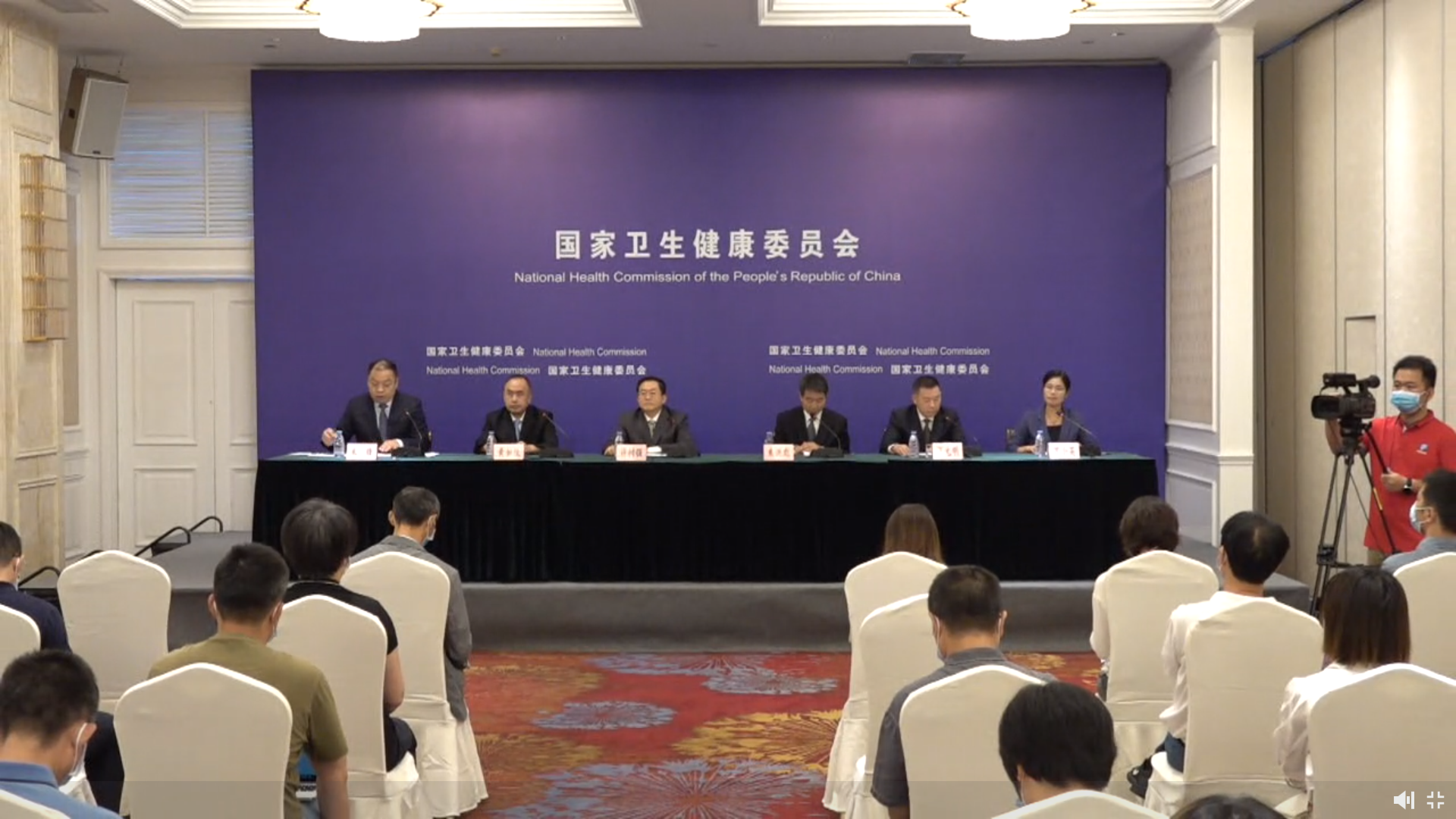
卫健委体改司司长许树强:推广三明医改经验尚存堵点 医改成效应纳入各级党委政府绩效考核
Mei Ri Jing Ji Xin Wen· 2025-11-24 07:53
Core Viewpoint - The press conference highlighted the challenges and strategies in promoting the Sanming healthcare reform experience across the country, emphasizing the need for leadership commitment and systemic changes in healthcare policies [2][3][7]. Group 1: Challenges in Promoting Sanming Healthcare Reform - There are four main bottlenecks in promoting the Sanming healthcare reform experience: insufficient attention from local governments, low healthcare service pricing mechanisms, inadequate personnel salary system reforms, and inefficient management of public hospitals [3][5][7]. - Local governments exhibit a lack of initiative and innovation in deepening healthcare reforms, particularly in complex areas such as medical service pricing and personnel salary systems [3][5]. - The pricing mechanism for medical services is generally low, with a focus on material consumption rather than technical labor, and there is a lack of effective participation from hospitals and medical staff in pricing decisions [5][7]. Group 2: Strategies to Address Challenges - To address these challenges, it is essential to enhance awareness and establish an effective leadership structure for healthcare reform, ensuring alignment with national policies and prioritizing public health [7][8]. - The government should implement a systematic adjustment of healthcare economic policies, including regular evaluations of medical service pricing and timely adjustments to ensure that increased hospital income is used for staff compensation [7][8]. - There is a need to fulfill government funding responsibilities for public hospitals and ensure that the salary system for medical staff reflects their responsibilities and knowledge value [8][10]. Group 3: Progress in Medical Staff Compensation - The income of medical staff in Sanming has become attractive within the region, although it still lags behind more developed areas [2][10]. - Data indicates that from 2012 to 2020, the turnover of medical staff in Sanming was minimal, with a recruitment rate significantly higher than the number of staff leaving, suggesting stability in the workforce [10]. - Ongoing reforms in salary distribution for medical staff are planned, aiming for a fair and efficient compensation system that rewards performance and effort [10].