
三医联动改革

Search documents
慢病“长战线”上的 民生温度与政策期待
Jin Rong Shi Bao· 2025-12-31 01:54
Group 1 - The article highlights the importance of chronic disease management and the positive impact of recent policy changes on patients, particularly in terms of financial relief and accessibility to medications [1][2] - There is a concerning trend of chronic diseases becoming more prevalent among younger populations, with individuals in their 30s and 40s increasingly affected, indicating a need for early intervention and awareness [1][2] - The article emphasizes the necessity for a comprehensive approach to chronic disease management that includes prevention, diagnosis, treatment, and ongoing support, aligning with the "Health China" strategy that prioritizes prevention [2][3] Group 2 - The article discusses the role of commercial insurance in enhancing the multi-tiered healthcare system, providing personalized health management services, and addressing gaps in coverage for rare and chronic diseases [3] - It mentions the need for continuous development and implementation of policies to ensure effective chronic disease management and support for patients, highlighting the importance of sustained efforts in healthcare reform [2][3] - The sentiments expressed by patients reflect a recognition of the benefits of current policies and a hopeful outlook for future improvements in healthcare support [3]
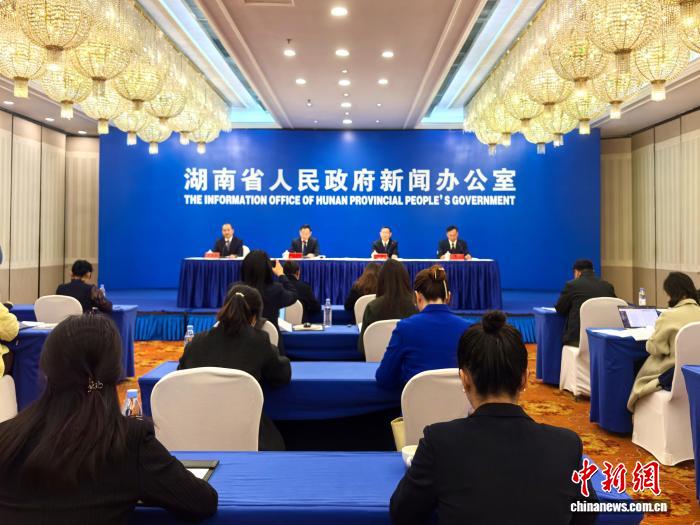
湖南人均预期寿命提升至79岁 个人卫生支出占比降至27.38%
Zhong Guo Xin Wen Wang· 2025-12-02 11:07
Core Viewpoint - Hunan Province has made significant progress in healthcare during the "14th Five-Year Plan" period, with improvements in life expectancy, healthcare spending, and the overall health system [3][4]. Group 1: Healthcare Achievements - The average life expectancy in Hunan has increased to 79 years by the end of 2024 [2]. - The proportion of personal health expenditure has decreased from 29.38% to 27.38% from 2020 to 2024 [3]. - The average outpatient and inpatient costs in tertiary public hospitals have declined for four consecutive years [3]. Group 2: Healthcare Infrastructure - Hunan has 57,639 medical and health institutions, with a total of 523,215 beds and 685,492 health personnel [2]. - The number of practicing (assistant) physicians per 1,000 people is 3.43, and registered nurses per 1,000 people is 4.09 [4]. - By 2024, 100% of county hospitals meet basic standards, and 84.44% meet recommended standards equivalent to tertiary hospital capabilities [4]. Group 3: Community Health Initiatives - The proportion of medical consultations at grassroots healthcare institutions has increased from 56.2% in 2020 to 62.54% in 2024 [5]. - Hunan has established 142 medical communities across 99 counties, enhancing local healthcare services [5]. - The province has maintained a polio-free status for 32 years and has reported no cases of diphtheria for 21 years, with low incidence rates for measles and other diseases [5]. Group 4: Family and Childcare Support - Hunan has implemented a childcare subsidy system, with over 140,000 applications approved, distributing approximately 4.03 billion yuan to benefit around 1.246 million infants [5]. - The province encourages extended maternity and paternity leave, with maternity leave extended to 188 days and paternity leave to 20 days [5].

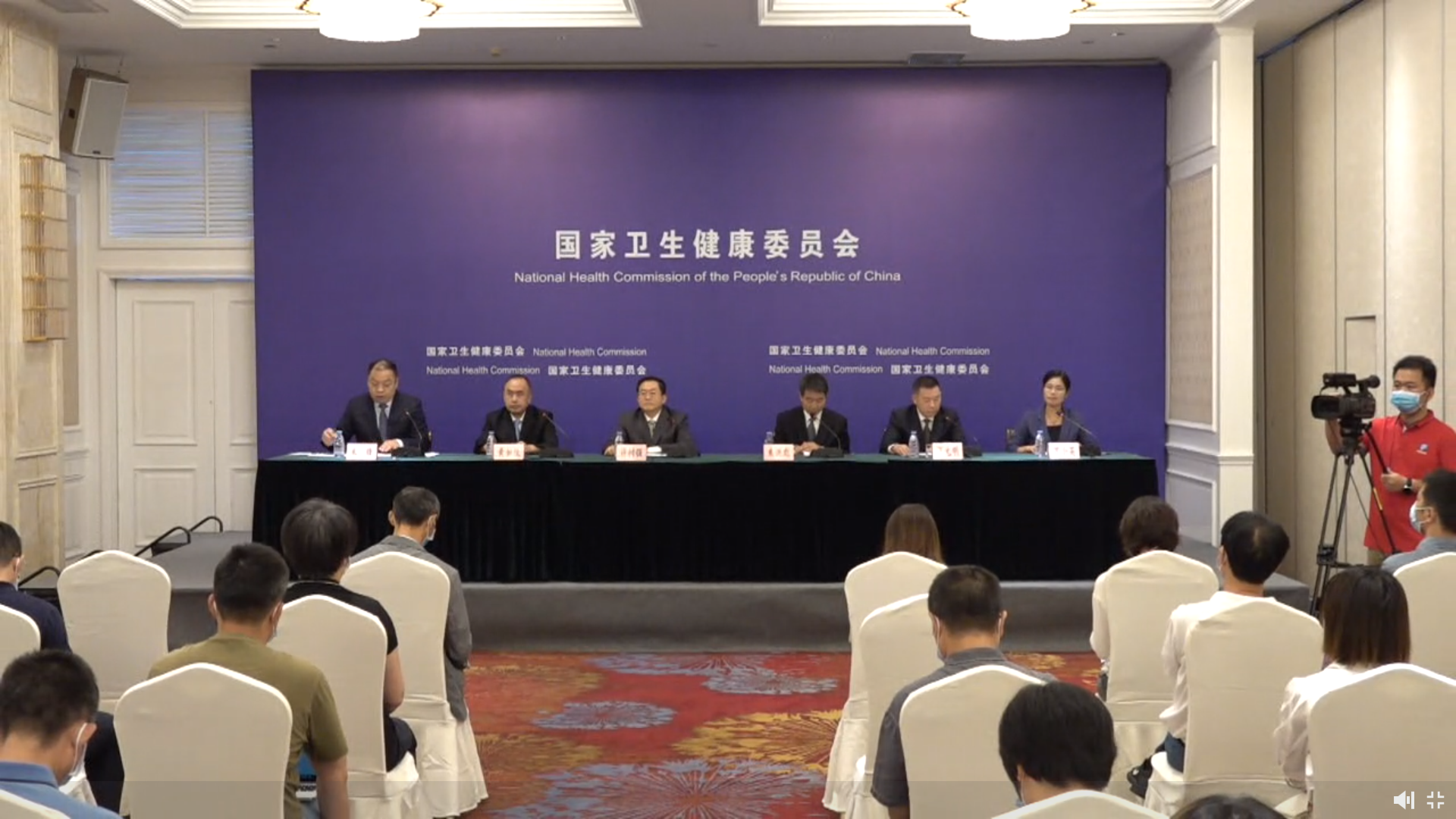
卫健委体改司司长许树强:推广三明医改经验尚存堵点 医改成效应纳入各级党委政府绩效考核
Mei Ri Jing Ji Xin Wen· 2025-11-24 07:53
Core Viewpoint - The press conference highlighted the challenges and strategies in promoting the Sanming healthcare reform experience across the country, emphasizing the need for leadership commitment and systemic changes in healthcare policies [2][3][7]. Group 1: Challenges in Promoting Sanming Healthcare Reform - There are four main bottlenecks in promoting the Sanming healthcare reform experience: insufficient attention from local governments, low healthcare service pricing mechanisms, inadequate personnel salary system reforms, and inefficient management of public hospitals [3][5][7]. - Local governments exhibit a lack of initiative and innovation in deepening healthcare reforms, particularly in complex areas such as medical service pricing and personnel salary systems [3][5]. - The pricing mechanism for medical services is generally low, with a focus on material consumption rather than technical labor, and there is a lack of effective participation from hospitals and medical staff in pricing decisions [5][7]. Group 2: Strategies to Address Challenges - To address these challenges, it is essential to enhance awareness and establish an effective leadership structure for healthcare reform, ensuring alignment with national policies and prioritizing public health [7][8]. - The government should implement a systematic adjustment of healthcare economic policies, including regular evaluations of medical service pricing and timely adjustments to ensure that increased hospital income is used for staff compensation [7][8]. - There is a need to fulfill government funding responsibilities for public hospitals and ensure that the salary system for medical staff reflects their responsibilities and knowledge value [8][10]. Group 3: Progress in Medical Staff Compensation - The income of medical staff in Sanming has become attractive within the region, although it still lags behind more developed areas [2][10]. - Data indicates that from 2012 to 2020, the turnover of medical staff in Sanming was minimal, with a recruitment rate significantly higher than the number of staff leaving, suggesting stability in the workforce [10]. - Ongoing reforms in salary distribution for medical staff are planned, aiming for a fair and efficient compensation system that rewards performance and effort [10].
国家卫健委主任:全面推广三明医改经验!亲历者详解医改做法
Nan Fang Du Shi Bao· 2025-10-24 08:31
Core Viewpoint - The Chinese government emphasizes the promotion of the Fujian Sanming medical reform experience as a model for healthcare service development during the 14th Five-Year Plan period [1][2]. Summary by Sections Medical Reform Experience - The Sanming medical reform has achieved significant results in health security and reform through four key principles: adherence to party leadership, a public welfare focus, a proactive reform approach, and local adaptation of reforms [2][3]. Reform Logic - The Sanming medical reform prioritizes the people's perspective, aiming to enhance public satisfaction and ensure equitable access to healthcare services [3][4]. - The reform is characterized as a revolution in the healthcare sector, addressing issues like high medical costs and inefficient healthcare practices [3][4]. Reform Methods and Pathways - The reform adopts a systematic approach, integrating medical, insurance, and pharmaceutical reforms to enhance overall effectiveness [4][5]. - Key strategies include establishing efficient management systems, improving insurance fund utilization, and eliminating corrupt practices in drug pricing [5][6]. Reform Phases - The reform is divided into three phases: 1. Addressing profit-driven practices in healthcare [5][6] 2. Reorienting healthcare towards patient treatment [5][6] 3. Focusing on health promotion and prevention [5][6]. Reform Achievements - Significant reductions in patient costs have been observed, with hospitalization costs for urban employees increasing from 6,553 yuan in 2011 to 8,560 yuan in 2023, while personal burdens have only slightly increased [8]. - The total salary expenditure for hospitals rose from 382 million yuan in 2011 to 2.044 billion yuan in 2022, indicating improved compensation for healthcare workers [8][9]. - The structure of hospital revenue has shifted, with medical service income rising from 18.37% to 46.07% of total revenue from 2012 to 2023 [9]. Future Goals - The reform aims to establish a comprehensive health security system, emphasizing the government's role in providing public health services and ensuring effective management of healthcare institutions [11][12]. - The focus will be on enhancing the efficiency of insurance funds and promoting health management organizations to improve overall health outcomes [12][13].