医疗低空物流

Search documents
医疗低空物流探索向更多元场景拓展 新兴“空中生命线”破解院内物流难题
Yang Shi Wang· 2025-12-31 00:05
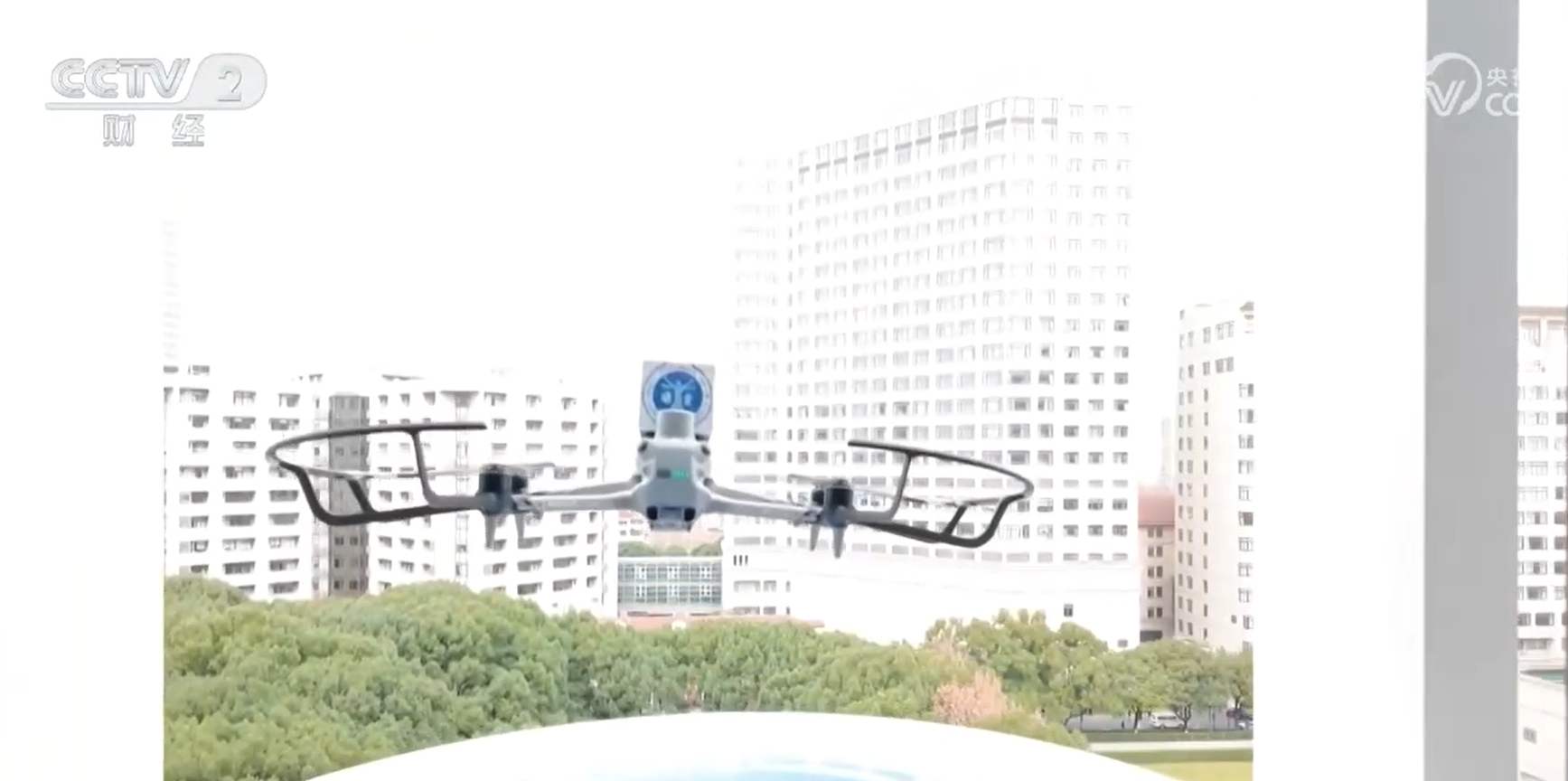
Core Viewpoint - The introduction of a drone delivery system at Shanghai Ruijin Hospital allows for the rapid transportation of pathological specimens from operating rooms to the pathology department, significantly improving the efficiency of obtaining intraoperative frozen pathology reports. Group 1: Innovation in Medical Logistics - Shanghai Ruijin Hospital has pioneered a "window-to-window" delivery model using drones to transport surgical specimens, addressing logistical challenges within the hospital [1][4] - This drone system enables the transportation of specimens over distances of several hundred meters, which previously required time-consuming manual delivery [3][4] Group 2: Impact on Surgical Procedures - The use of drones has reduced the average transportation time for specimens, which previously took over 20 minutes, allowing surgeons to make more informed decisions during operations [3][4] - The current drone delivery system can reliably transport common tumor specimens, such as those from the thyroid and breast, weighing up to 200 grams [5]
低空应用新场景 无人机送医疗标本 搭建“空中生命线” 为患者争取更多时间
Yang Shi Wang· 2025-12-28 03:21
Core Viewpoint - The introduction of a drone delivery system at Shanghai Ruijin Hospital significantly enhances the efficiency of intra-hospital logistics, allowing for rapid transportation of pathological specimens directly from operating rooms to the pathology department, thus improving surgical decision-making and patient safety [1][3][5]. Group 1: Drone Implementation and Efficiency - The drone delivery system, operational since late September, reduces specimen transport time from over 20 minutes to just 2 minutes, allowing for quicker access to critical pathological reports during surgeries [3][5]. - This innovation has been successfully used for transporting common tumor specimens weighing up to 200 grams, such as those from thyroid and breast surgeries [5]. Group 2: Safety and Technical Considerations - The drone operation includes a specially designed takeoff and landing platform and a low-altitude intelligent network to ensure safe and automated flights, addressing potential risks such as signal loss and adverse weather conditions [6]. - The hospital has established operational guidelines that permit drone use in conditions of wind below level 7 and light rain, ensuring safety during specimen delivery [6]. Group 3: Broader Implications and Future Expansion - The drone logistics initiative in Shanghai is expanding beyond intra-hospital deliveries to include inter-hospital transportation, with recent routes established that cut delivery times by nearly half compared to ground transport [8]. - Other cities are also piloting drone deliveries for medical supplies, including blood and emergency medications, indicating a growing trend in utilizing drones for healthcare logistics [8].