协同合力

Search documents
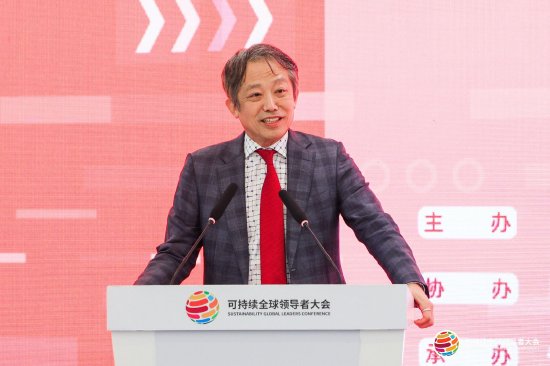
联合国前副秘书长金垣洙:以“协同合力”的力量加速全球可持续转型
Xin Lang Zheng Quan· 2025-10-18 02:00
Core Insights - The 2025 Sustainable Global Leaders Conference is scheduled from October 16 to 18 in Shanghai, focusing on "Collaborative Responses to Challenges: Global Action, Innovation, and Sustainable Growth" [1] - The conference is co-hosted by the World Green Design Organization (WGDO) and Sina Group, with support from the Shanghai Huangpu District Government, aiming to explore new paths for sustainable development [1] Group 1: Conference Overview - The conference builds on the previous four "ESG Global Leaders Conferences" and features around 500 prominent guests, including approximately 100 international attendees, such as political figures, Nobel laureates, and leaders from Fortune 500 companies [1] - The event aims to inject "Chinese momentum" into global sustainable governance by gathering global wisdom and expertise [1] Group 2: Keynote Address by Kim Won-soo - Former UN Deputy Secretary-General Kim Won-soo emphasized the critical historical moment humanity faces, dealing with climate change, ecosystem crises, geopolitical tensions, and increasing inequality [3] - He highlighted the importance of "collaborative power" to address these challenges, suggesting that true cooperation can yield significant multiplier effects [3] Group 3: Three Pillars for Collaborative Efforts - Financial Framework Reform: A global financial framework overhaul is necessary to mobilize trillions of dollars into critical areas, advocating for blended finance to reduce private sector risks and support climate-affected nations [4] - Ethical Technology Application: Tools like AI and remote sensing can enhance transparency and accountability, but their deployment must be accompanied by capacity building and equitable privacy protections to avoid exacerbating the digital divide [4] - Private Sector Transformation: Companies should shift from isolated ESG commitments to systemic value creation, integrating environmental and social values into core business operations, supported by credible transformation plans and standardized disclosures [4]