古人御寒取暖

Search documents
视频丨观天象 授农时 解锁古人的“过冬神器”
Yang Shi Xin Wen Ke Hu Duan· 2025-12-21 10:06
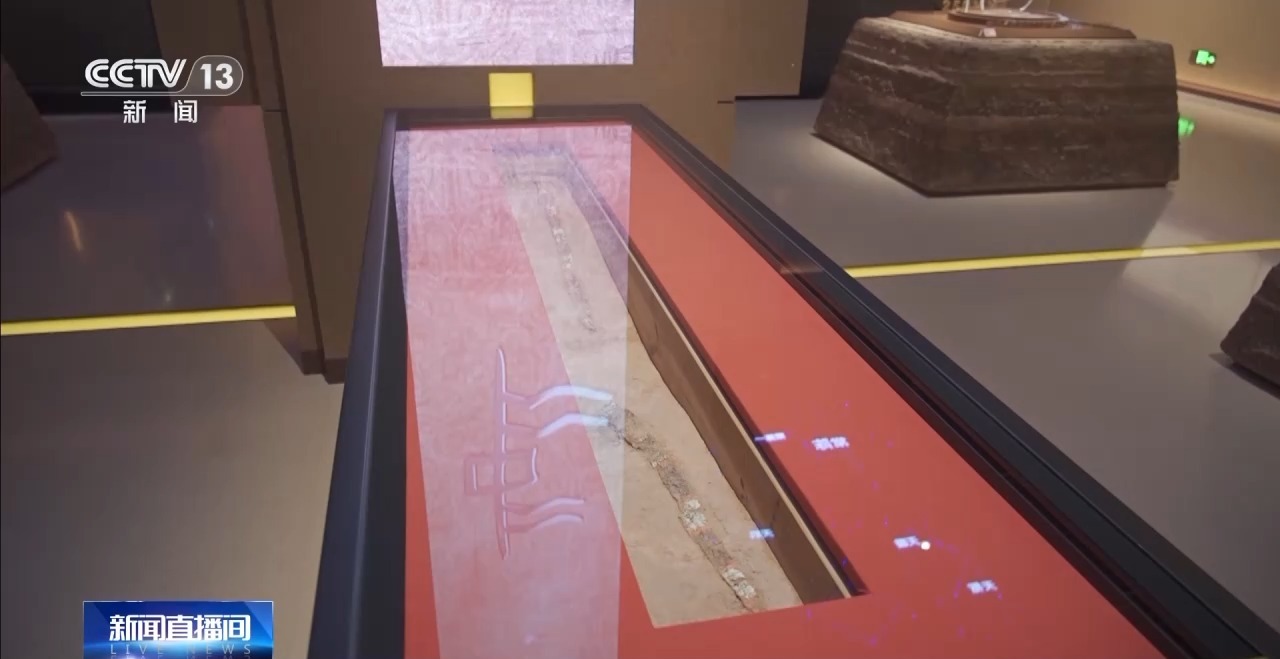
Core Insights - The article highlights the ancient wisdom and ingenuity of people in Shanxi, particularly through the lens of the Taosi site, which reveals insights into their methods of observing celestial phenomena and seasonal changes [3][5]. Group 1: Ancient Observations and Tools - The Taosi site, located in Xiangfen County, Shanxi, dates back 4,300 to 3,900 years and features an ancient astronomical observatory with 13 observation pillars and 12 observation slits, used for tracking the sunrise and determining agricultural seasons [3]. - The museum at the Taosi site also houses a gnomon and a sundial, which work in conjunction with the observatory to ensure accurate seasonal timing [5]. - The gnomon is placed flat on the ground, while the sundial stands vertically, creating a right angle. The length of the shadow cast by the sundial at noon helps determine the solar terms, with the shortest shadow occurring at summer solstice and the longest at winter solstice [7]. Group 2: Winter Survival Innovations - Beyond celestial observations, ancient people also developed practical tools for daily life, such as the Jin Hou Wen Ding, a cooking vessel from the Western Zhou period that could retain heat using charcoal, resembling modern hot pots [10]. - Another artifact, the Qulong-patterned square pan from the Warring States period, likely served as a charcoal stove, showcasing both aesthetic design and functional heating capabilities [11]. - Charcoal stoves were common heating devices used by ancient people, with evidence of their existence dating back 2,500 years to the Warring States period, indicating a blend of beauty and utility in their design [13].