圭尺

Search documents
观天象 授农时 解锁古人的“过冬神器”
Xin Lang Cai Jing· 2025-12-21 10:24
Core Insights - The article highlights the ancient wisdom and ingenuity of people in Shanxi, particularly in relation to winter survival techniques and astronomical observations from the Taosi site, which dates back 4,300 to 3,900 years [1] Group 1: Astronomical Observations - The Taosi site features an ancient astronomical observatory consisting of 13 observation pillars and 12 observation slits, which were used over 4,000 years ago to observe the sunrise and determine agricultural seasons [1] - The observatory's function was complemented by tools such as the gnomon and the shadow stick, which helped ensure accurate seasonal timing [3] Group 2: Winter Survival Tools - The article describes ancient cooking vessels like the Jin Hou Wen Ding, which was designed to retain heat using charcoal, resembling modern hot pots [6] - Another artifact, the Qulong-patterned square plate from the Warring States period, is believed to be a charcoal stove, showcasing the duality of aesthetic design and practical heating function [10][12]

视频丨观天象 授农时 解锁古人的“过冬神器”
Yang Shi Xin Wen Ke Hu Duan· 2025-12-21 10:06
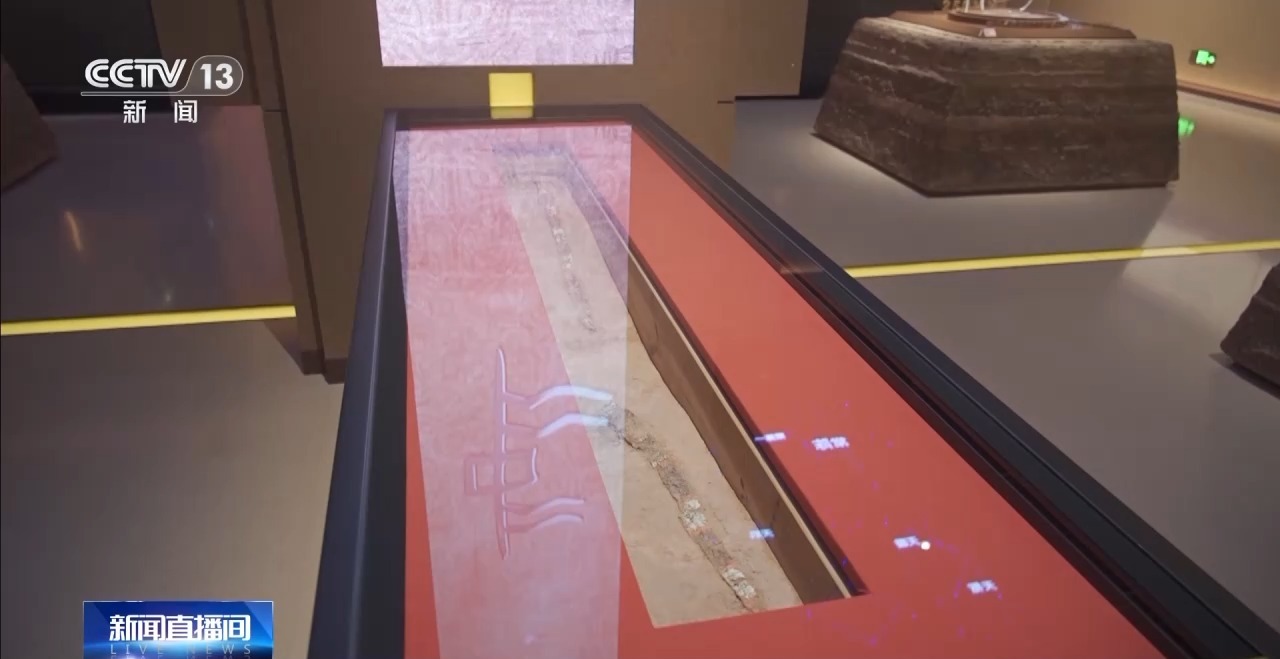
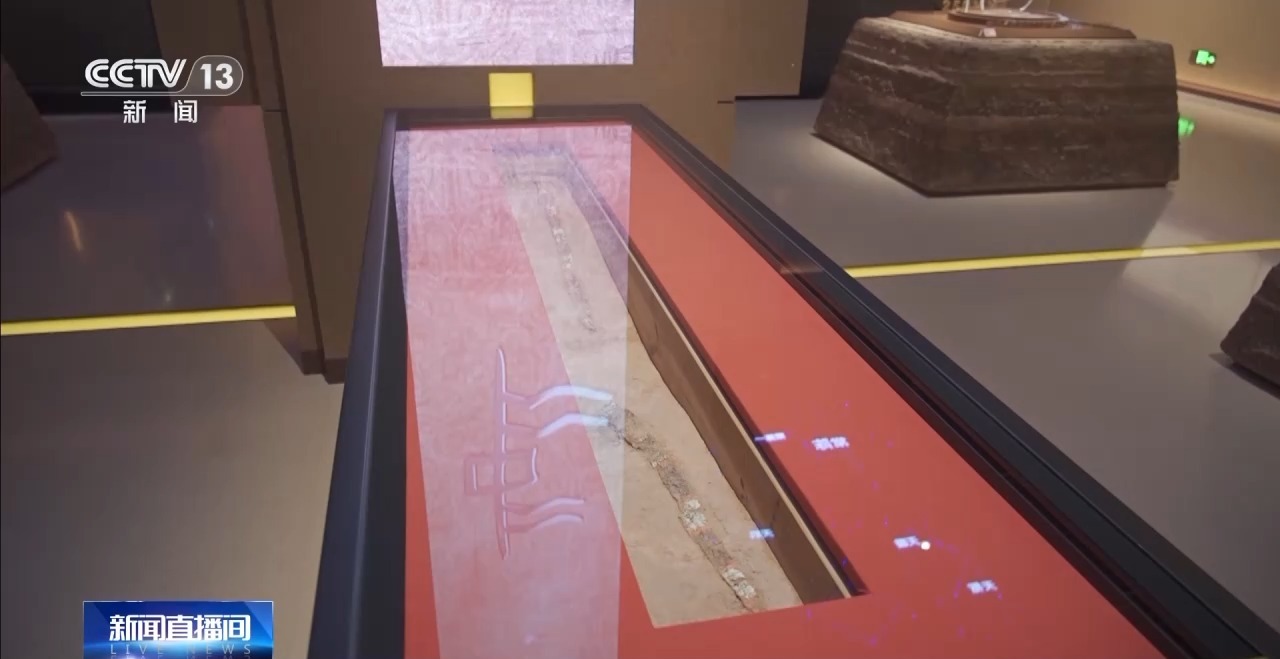
Core Insights - The article highlights the ancient wisdom and ingenuity of people in Shanxi, particularly through the lens of the Taosi site, which reveals insights into their methods of observing celestial phenomena and seasonal changes [3][5]. Group 1: Ancient Observations and Tools - The Taosi site, located in Xiangfen County, Shanxi, dates back 4,300 to 3,900 years and features an ancient astronomical observatory with 13 observation pillars and 12 observation slits, used for tracking the sunrise and determining agricultural seasons [3]. - The museum at the Taosi site also houses a gnomon and a sundial, which work in conjunction with the observatory to ensure accurate seasonal timing [5]. - The gnomon is placed flat on the ground, while the sundial stands vertically, creating a right angle. The length of the shadow cast by the sundial at noon helps determine the solar terms, with the shortest shadow occurring at summer solstice and the longest at winter solstice [7]. Group 2: Winter Survival Innovations - Beyond celestial observations, ancient people also developed practical tools for daily life, such as the Jin Hou Wen Ding, a cooking vessel from the Western Zhou period that could retain heat using charcoal, resembling modern hot pots [10]. - Another artifact, the Qulong-patterned square pan from the Warring States period, likely served as a charcoal stove, showcasing both aesthetic design and functional heating capabilities [11]. - Charcoal stoves were common heating devices used by ancient people, with evidence of their existence dating back 2,500 years to the Warring States period, indicating a blend of beauty and utility in their design [13].
古人观天地智慧与御寒取暖巧思熠熠生辉 解锁藏在文物里的“冬日密码”
Yang Shi Wang· 2025-12-21 09:56
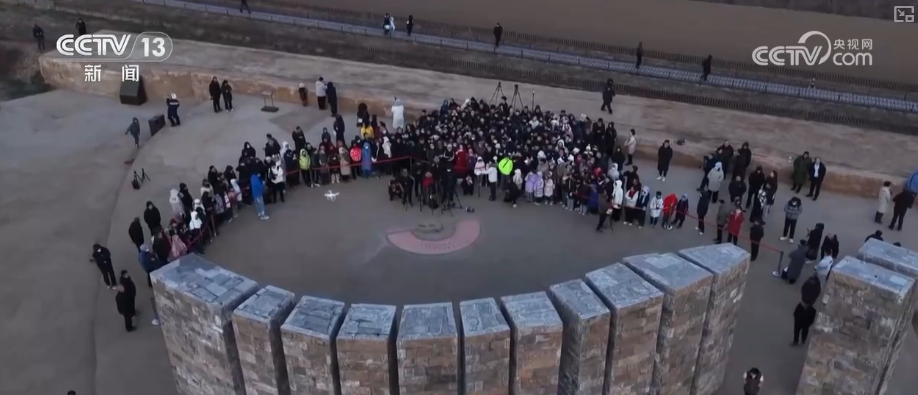
Core Viewpoint - The article highlights the ancient wisdom and innovative methods of the Chinese people in observing celestial events and staying warm during winter, particularly through the lens of archaeological findings in Shanxi province [1]. Group 1: Ancient Observatories - The Taosi Ancient Observatory, located in Xiangfen County, Shanxi, dates back 4,300 to 3,900 years and consists of 13 observation pillars with 12 observation slits, used by ancient people to observe the sunrise and determine agricultural seasons [7]. - On December 21, at 7:30 AM, visitors gather to witness the sunrise at the observatory, where the first rays of sunlight align with the observation slits, marking the arrival of the winter solstice [4]. Group 2: Timekeeping Instruments - The Taosi site museum features a gnomon and a sundial, which work in conjunction with the observatory to ensure accurate seasonal timing [9]. - The gnomon is placed flat on the ground, while the vertical sundial casts a shadow on the gnomon, allowing the determination of solar angles and seasonal changes based on shadow length, with the longest shadow occurring during the winter solstice [10]. Group 3: Ancient Heating Devices - The Jin Hou Wen Ding, an ancient cooking vessel from the Western Zhou period, was designed to retain heat by using charcoal in a tray, resembling modern hot pot designs [13]. - The vessel features a top section for holding food, while the middle tray contains charcoal with ventilation holes to enhance combustion and allow ash to fall through [15]. - Another heating device, the Qulong-patterned square plate from the Warring States period, likely served as a charcoal stove, showcasing both aesthetic and practical functions in ancient heating methods [16][18].
文明的细节:来自陶寺的调研报告
Xin Hua She· 2025-03-31 02:41
Core Viewpoint - The Taosi site is a significant archaeological discovery that provides crucial evidence for the early development of Chinese civilization, indicating a mature early civilization form existed around 4300 years ago, showcasing advanced engineering, astronomical observation, and social organization [6][10][28]. Group 1: Archaeological Significance - The Taosi site is recognized as one of the four major urban archaeological sites in the exploration of Chinese civilization origins, alongside Liangzhu, Shijiahe, and Erlitou [6]. - The discovery of the ancient observatory at Taosi, which allowed the early inhabitants to accurately divide the year into 20 solar terms, is a precursor to the traditional 24 solar terms [8][10]. - The site has revealed a complete timekeeping system, including a sand timer that closely aligns with the modern 24-hour day [11][12]. Group 2: Cultural and Technological Developments - The Taosi civilization demonstrated advanced agricultural practices, with evidence of crop domestication and a sophisticated understanding of seasonal changes [15][16]. - Artifacts such as the "gui chi" (measuring rod) indicate that the Taosi people had developed standards for measurement and spatial concepts [13][12]. - The site has yielded early forms of writing, with characters that resemble later oracle bone script, suggesting a continuity in the development of Chinese writing [28][29][31]. Group 3: Social Structure and Governance - The archaeological findings indicate a clear social hierarchy, with distinct burial practices reflecting class differences, including large tombs for elites and simpler graves for commoners [25][27]. - The discovery of a large city wall and palace complex suggests that Taosi was an early example of a state-level society with organized governance and social stratification [20][21][24]. - The presence of specialized workshops and storage areas indicates a degree of economic complexity and social organization, characteristic of early state societies [19][20][35]. Group 4: Environmental and Climatic Context - Evidence from the site suggests that the Taosi region experienced significant climatic changes over time, impacting agricultural practices and settlement patterns [18][42]. - The discovery of various animal fossils indicates a rich and diverse ecosystem that supported the early inhabitants [18]. Group 5: Historical Context and Legacy - The Taosi site is believed to be linked to the legendary Yao period, providing archaeological support for historical narratives surrounding early Chinese civilization [46][48]. - The findings at Taosi reflect a transitional phase in Chinese history, marking the shift from mythological to historical understanding of early Chinese states [47][49]. - The site serves as a testament to the cultural exchanges and interactions that shaped the development of early Chinese civilization, highlighting its role as a melting pot of various cultural influences [28][49].