古镇文旅价值重塑

Search documents
黄金周看点 | 从“散落珍珠”到“交响合奏”,长假期检验长三角古镇“破圈”成色
Xin Hua Cai Jing· 2025-10-07 08:33
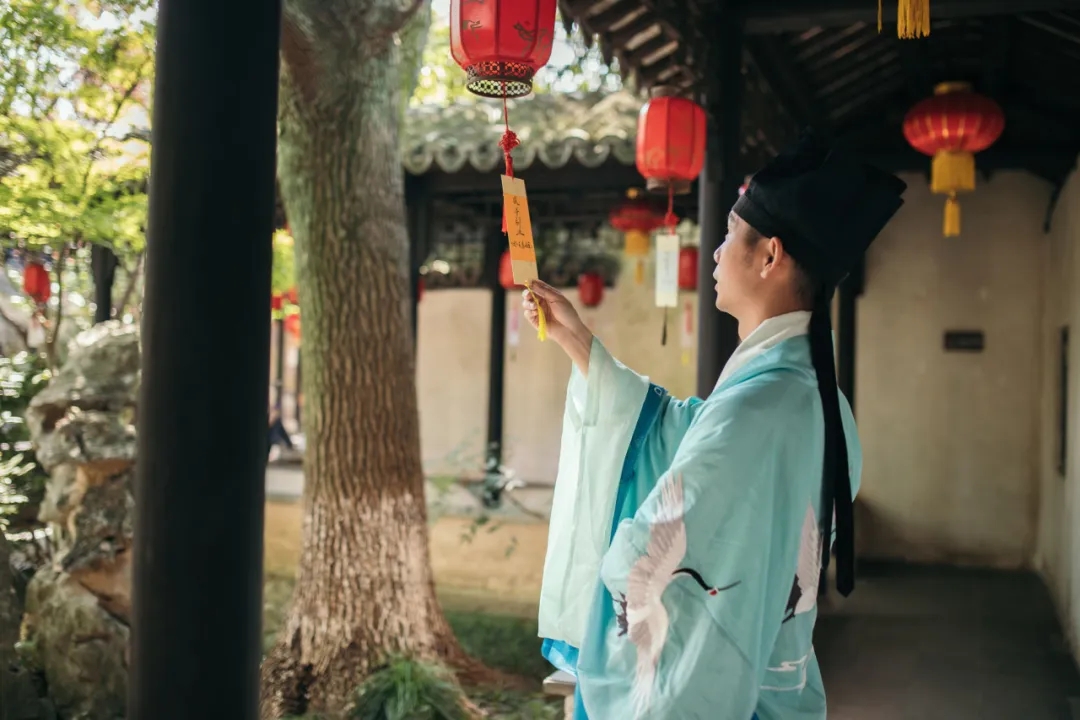
Core Insights - The article highlights the emerging trends in cultural tourism in ancient towns during the National Day and Mid-Autumn Festival, emphasizing the shift from mere sightseeing to immersive experiences [1][2][4]. Group 1: Trends in Cultural Tourism - The "Guofeng Guochao" theme has become central to cultural tourism in the Yangtze River Delta, with activities like wearing traditional costumes and interactive experiences gaining popularity [2][3]. - Tourists are increasingly seeking to become part of the stories of ancient towns, leading to the introduction of various services such as makeup, photography, and themed markets to enhance the immersive experience [3][4]. - The rise of night tourism has been notable, with a nearly 10% increase in night visitor numbers compared to the previous year, showcasing the integration of beautiful scenery and local cuisine [3][4]. Group 2: Addressing Homogeneity - The "thousand towns look alike" issue persists, with many ancient towns sharing similar cultural and architectural features, leading to visitor fatigue [5][7]. - Towns like Wuzhen have successfully differentiated themselves by creating unique travel products and experiences, such as light shows and literary-themed activities, attracting significant visitor numbers [5][7]. - The focus is shifting from ticket sales to creating engaging cultural experiences, with operators encouraged to think like curators of living cultural museums [7][8]. Group 3: Collaborative Development - The integration of transportation networks, such as high-speed rail, is facilitating the growth of a collaborative tourism economy among ancient towns, moving away from a ticket-based model [9][12]. - The article suggests that ancient towns should form a "super Jiangnan ancient town cluster" that offers a rich and complementary experience rather than competing individually [9][12]. - Utilizing big data for shared insights on visitor preferences and behaviors can enhance marketing strategies and improve visitor management across towns [12].