呼吸模式

Search documents
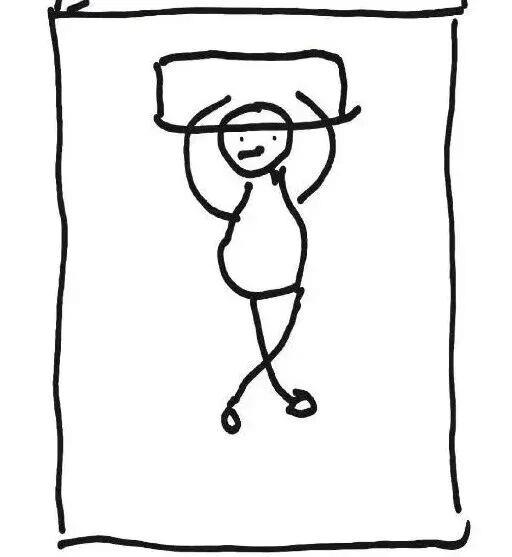
“睡觉把手举过头顶”,为什么能一觉到天亮?
Xin Lang Cai Jing· 2026-01-01 13:35
Core Insights - The article discusses the potential health implications of sleeping with arms raised, linking it to breathing patterns and muscle tension [3][4][5]. Group 1: Breathing Patterns and Muscle Tension - Individuals who sleep with their arms raised may be experiencing issues related to their breathing patterns, particularly due to tension in the neck and shoulder muscles [3]. - Healthy breathing is primarily facilitated by the diaphragm, and when breathing becomes dominated by the neck and chest muscles, it can lead to muscle tension and discomfort [4]. Group 2: Health Risks of Raised Arm Sleeping Position - Long-term maintenance of the "raised arm" sleeping position can lead to negative health effects, including impaired blood circulation in the upper limbs, shoulder inflammation, gastroesophageal reflux, and compromised cardiopulmonary health [8]. - The article suggests that while raising arms may provide temporary comfort, it is not a sustainable or healthy sleeping posture [5]. Group 3: Recommended Adjustments and Sleeping Positions - To improve sleeping posture, individuals are encouraged to practice breathing exercises that focus on diaphragmatic breathing, which can help alleviate muscle tension and improve overall sleep quality [5]. - Different sleeping positions have their own advantages and disadvantages, and individuals should choose a position that best suits their health needs [6][9].