
腹式呼吸

Search documents
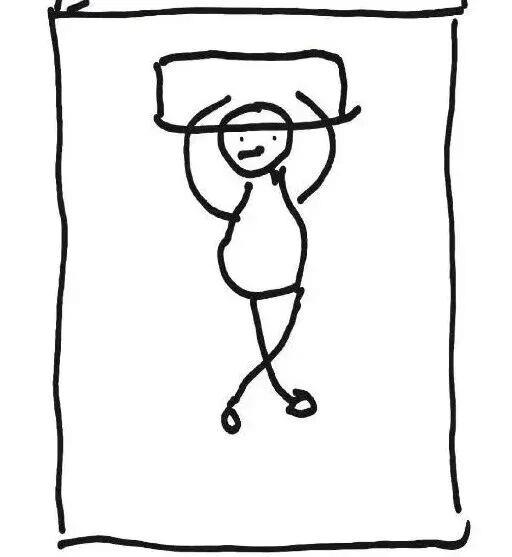
“睡觉把手举过头顶”,为什么能一觉到天亮?
Xin Lang Cai Jing· 2026-01-01 13:35
Core Insights - The article discusses the potential health implications of sleeping with arms raised, linking it to breathing patterns and muscle tension [3][4][5]. Group 1: Breathing Patterns and Muscle Tension - Individuals who sleep with their arms raised may be experiencing issues related to their breathing patterns, particularly due to tension in the neck and shoulder muscles [3]. - Healthy breathing is primarily facilitated by the diaphragm, and when breathing becomes dominated by the neck and chest muscles, it can lead to muscle tension and discomfort [4]. Group 2: Health Risks of Raised Arm Sleeping Position - Long-term maintenance of the "raised arm" sleeping position can lead to negative health effects, including impaired blood circulation in the upper limbs, shoulder inflammation, gastroesophageal reflux, and compromised cardiopulmonary health [8]. - The article suggests that while raising arms may provide temporary comfort, it is not a sustainable or healthy sleeping posture [5]. Group 3: Recommended Adjustments and Sleeping Positions - To improve sleeping posture, individuals are encouraged to practice breathing exercises that focus on diaphragmatic breathing, which can help alleviate muscle tension and improve overall sleep quality [5]. - Different sleeping positions have their own advantages and disadvantages, and individuals should choose a position that best suits their health needs [6][9].

新学期开学心理调适指南
Jing Ji Guan Cha Bao· 2025-10-02 14:58
Core Points - The article discusses the phenomenon of "back-to-school syndrome" that many students experience at the beginning of a new school year, highlighting both physiological and psychological symptoms [1] - It emphasizes the importance of accepting anxiety as a normal response and provides techniques for managing excessive anxiety, such as deep breathing exercises [2] - The article outlines strategies for improving sleep patterns and adjusting to a new schedule, which is crucial for mental well-being as students transition back to school [3] - It highlights the benefits of regular physical exercise in enhancing mood and reducing anxiety, suggesting various activities that students can engage in [4] - The article stresses the significance of creating a reasonable study plan to facilitate a smooth start to the new semester, including setting achievable goals and reward systems [5] - It encourages students to acknowledge their mental health and seek help when facing challenges, emphasizing that seeking assistance is a responsible action [6] Summary by Sections - **Understanding Back-to-School Syndrome**: The article describes the physiological symptoms such as insomnia, fatigue, and loss of appetite, as well as psychological symptoms like anxiety and lack of focus that students may face [1] - **Accepting Anxiety**: It is important to accept anxiety as a normal part of life, and deep breathing techniques are recommended to help manage excessive anxiety [2] - **Improving Sleep Patterns**: Gradual adjustments to sleep schedules are advised, including establishing bedtime rituals and creating a conducive sleep environment [3] - **Physical Exercise**: Engaging in regular physical activity is encouraged to improve mood and reduce stress, with examples of suitable exercises provided [4] - **Creating a Study Plan**: The article suggests breaking down academic goals into smaller, manageable tasks and implementing a reward system to motivate students [5] - **Acknowledging Mental Health**: Students are urged to recognize their mental health needs and seek support from teachers, parents, or counselors when necessary [6]