和平守护

Search documents
新华视点丨为了不应被遗忘的生命
Xin Hua She· 2025-12-12 07:17
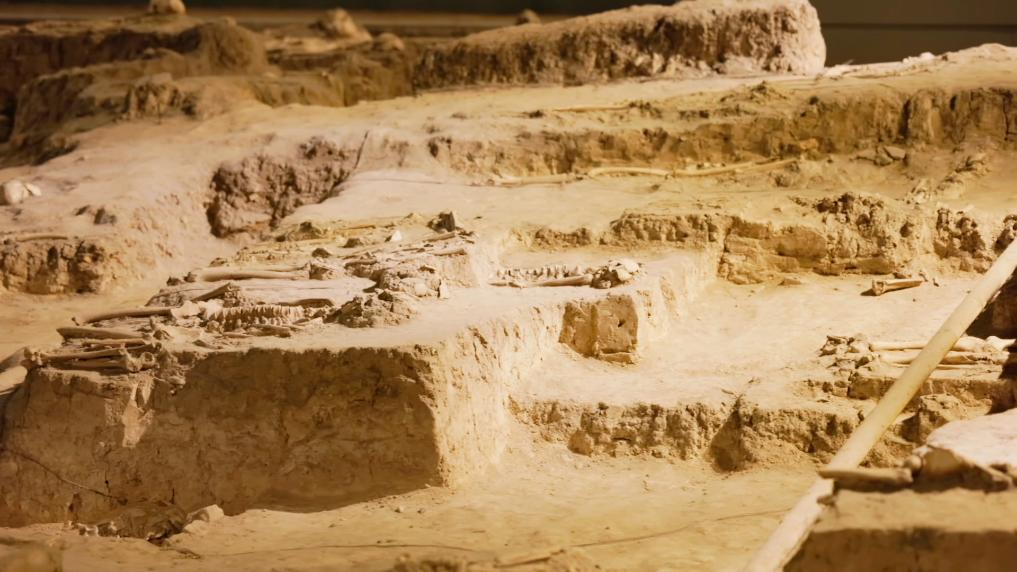
Core Viewpoint - The articles emphasize the importance of preserving the remains of victims from the Nanjing Massacre and other atrocities committed during the Japanese invasion of China, highlighting the role of these sites in safeguarding historical truth and promoting peace. Group 1: Historical Significance - The National Memorial Day on December 13 serves as a reminder of the atrocities committed during the invasion, with memorials standing as silent witnesses to the past [1] - The Nanjing Massacre Memorial Hall contains remains that vividly illustrate the brutal actions of the Japanese army in 1937, serving as a permanent testament to the violence [3] - The Liao Yuan Miners' Cemetery in Jilin Province holds hundreds of remains, symbolizing the tragic consequences of the "human exchange for coal" policy during the invasion, which resulted in the extraction of 15.49 million tons of coal [5] Group 2: Research and Preservation Efforts - Since 2015, a biological archaeology team from Jilin University has been monitoring and protecting the remains at the Liao Yuan Miners' Cemetery, developing differentiated preservation strategies based on the condition of the remains [6] - The team's decade-long research has provided valuable scientific data and practical experience, establishing a new paradigm for the systematic protection of remains from other mass grave sites from the Japanese invasion [6] Group 3: Educational and Cultural Impact - These memorial sites attract millions of visitors each year, serving as vibrant classrooms for patriotic education and a means to confront historical denial [8] - The protection of the remains is portrayed as a firm defense of historical truth and a response to actions that deny the history of invasion, reinforcing China's commitment to learning from history and cherishing peace [8]