历史传承

Search documents
博物馆里的年礼
Xin Lang Cai Jing· 2026-02-20 07:17
Core Viewpoint - The article reflects on the significance of the ancient artifact, the Sword of King Goujian, as a symbol of resilience and historical legacy, connecting past and present through the lens of modern youth engagement with history [1][2][3] Group 1: Historical Significance - The Sword of King Goujian, dating back 2,500 years, is presented as a profound artifact that embodies the spirit and determination of the ancient king, representing a narrative of perseverance and ambition [2] - The sword's craftsmanship, including its sharpness and intricate design, serves as a testament to human will and the ability to transcend time, highlighting the intersection of history and material culture [2] Group 2: Modern Engagement - The contemporary project of replicating historical artifacts by students is framed as a meaningful educational experience, allowing them to connect with history and understand the cultural significance of resilience [3] - The act of creating replicas using modern materials is portrayed as a way for the younger generation to engage with and appreciate their heritage, transforming historical study into a living dialogue [3] Group 3: Cultural Reflection - The juxtaposition of the ancient sword and the modern setting illustrates a continuous thread of history that remains relevant, emphasizing the importance of cultural artifacts in shaping collective memory and identity [3] - The article suggests that the experience of visiting the museum and engaging with historical objects provides a deeper understanding of cultural values and the enduring spirit of a nation [3]
公共场馆里过大年
Xin Lang Cai Jing· 2026-02-14 16:39
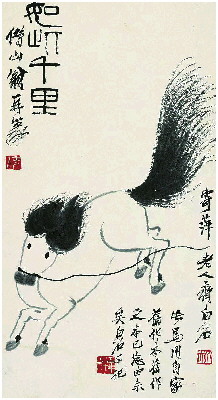
Group 1 - The article highlights the importance of public cultural venues during the Spring Festival, with various museums and galleries planning special activities to welcome visitors in a warm and comfortable environment [2] - The Shandong Museum and Shandong Art Museum have announced their opening hours during the Spring Festival, with specific dates and times for visitors to plan their visits [2] - The Shandong Museum is currently showcasing several exhibitions, including "Cultural Exhibition of Ju Culture" and "Treasures of the Lu King," along with a newly upgraded digital art exhibition [2] Group 2 - The special exhibition "Learning from Me—Qi Baishi and His Shandong Disciples" at the Shandong Art Museum features 136 valuable exhibits from 11 cultural institutions across six provinces, including 83 original works by Qi Baishi [3] - Qi Baishi's "Twelve Zodiac Figures" will be on display starting February 13, adding to the festive cultural atmosphere for the Spring Festival [3] Group 3 - The Jinan Museum has organized a themed exhibition on horse culture, exploring the role of horses in Chinese civilization through various artifacts [4] - The exhibition aims to deepen public understanding of zodiac culture and historical heritage by showcasing the multifaceted representations of horses in warfare, daily life, and beliefs [4] Group 4 - Various museums in Shandong are launching Spring Festival activities, including interactive experiences and educational programs that engage visitors in traditional crafts and local customs [5] - The Shandong Museum's "Our Festival" themed educational activities invite participants to experience traditional techniques and the unique charm of Qilu customs [5] Group 5 - The Shandong Art Museum has introduced new public education activities for the Spring Festival, including hands-on art creation sessions for children, allowing them to engage with cultural traditions [6] - Activities such as "White Stone Fun" water ink creation will provide children with materials to create art pieces that reflect both traditional and playful elements [6]

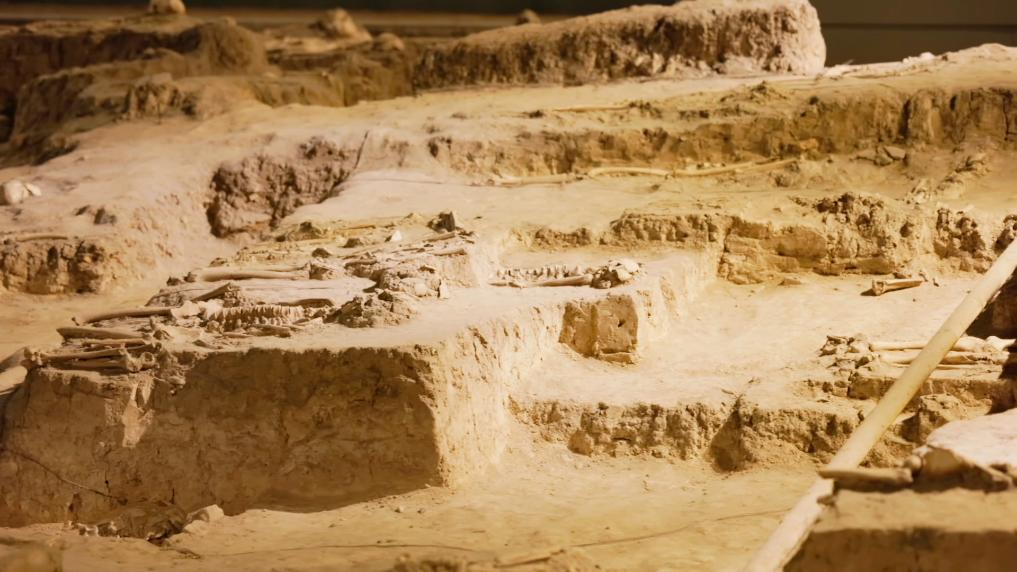
新华视点丨为了不应被遗忘的生命
Xin Hua She· 2025-12-12 07:17
Core Viewpoint - The articles emphasize the importance of preserving the remains of victims from the Nanjing Massacre and other atrocities committed during the Japanese invasion of China, highlighting the role of these sites in safeguarding historical truth and promoting peace. Group 1: Historical Significance - The National Memorial Day on December 13 serves as a reminder of the atrocities committed during the invasion, with memorials standing as silent witnesses to the past [1] - The Nanjing Massacre Memorial Hall contains remains that vividly illustrate the brutal actions of the Japanese army in 1937, serving as a permanent testament to the violence [3] - The Liao Yuan Miners' Cemetery in Jilin Province holds hundreds of remains, symbolizing the tragic consequences of the "human exchange for coal" policy during the invasion, which resulted in the extraction of 15.49 million tons of coal [5] Group 2: Research and Preservation Efforts - Since 2015, a biological archaeology team from Jilin University has been monitoring and protecting the remains at the Liao Yuan Miners' Cemetery, developing differentiated preservation strategies based on the condition of the remains [6] - The team's decade-long research has provided valuable scientific data and practical experience, establishing a new paradigm for the systematic protection of remains from other mass grave sites from the Japanese invasion [6] Group 3: Educational and Cultural Impact - These memorial sites attract millions of visitors each year, serving as vibrant classrooms for patriotic education and a means to confront historical denial [8] - The protection of the remains is portrayed as a firm defense of historical truth and a response to actions that deny the history of invasion, reinforcing China's commitment to learning from history and cherishing peace [8]
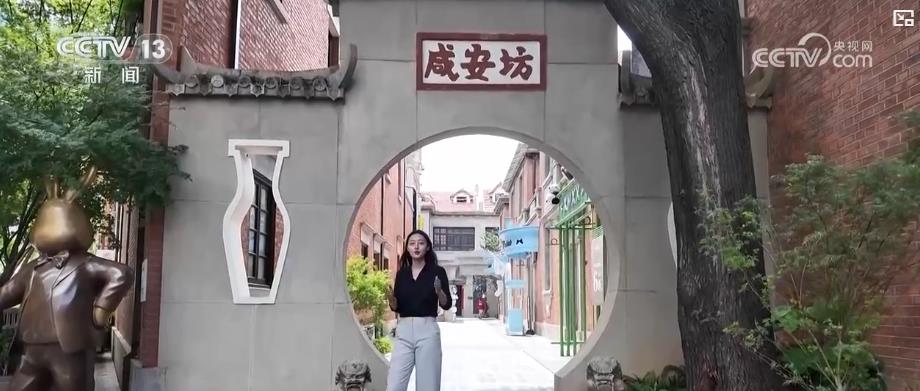
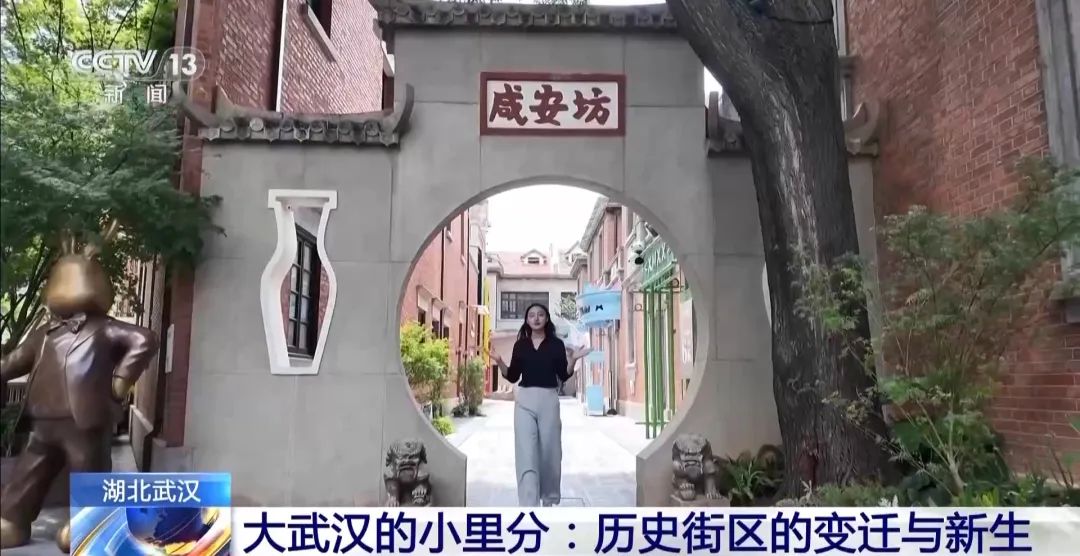
历史街区的变迁与新生,央视聚焦大武汉的小里分
Chang Jiang Ri Bao· 2025-07-28 00:36
Core Viewpoint - The unique architectural style known as "Li Fen" in Wuhan is undergoing revitalization through restoration efforts, transforming old buildings into new cultural landmarks for citizens and tourists alike [1][6]. Group 1: Architectural Significance - "Li Fen" is a distinctive residential architectural form in Wuhan, characterized by red or blue bricks and red tiles, blending Western row house styles with traditional Chinese courtyard elements, emerging in the late 19th to early 20th century [3]. - The Xian'anfang area, established in 1915, is one of the best-preserved "Shikumen" architectural groups in China, historically known as a prestigious residential area during the Republic of China period [1][3]. Group 2: Cultural and Community Impact - The operator of Xian'anfang, Guo Honglin, emphasized the importance of cultural research and historical documentation in the restoration process, aiming to preserve and develop the "Li Fen" culture [5]. - The ongoing urban renewal efforts in Wuhan focus on balancing preservation and utilization, ensuring that the historical significance of "Li Fen" is maintained while adapting to modern needs [6]. Group 3: Modern Developments and Attractions - The renovated Xian'anfang is set to reopen in 2024, featuring modern dining and retail options, alongside local cultural performances and creative products, providing an immersive experience of Wuhan's local culture [9]. - The area has attracted various non-standard commercial shops, enhancing the appeal of the old "Li Fen" buildings and creating a vibrant atmosphere for visitors [15]. Group 4: Visitor Experience - Visitors express admiration for the beauty and historical ambiance of the area, noting the unique blend of dining and retail experiences that offer a fresh and trendy feel [11]. - The newly unveiled "Yanqingli" street, consisting of seven distinctive "Li Fen" buildings, has become a new cultural landmark in the Hankou historical area, showcasing the successful integration of history and modernity [13].
城市更新让老建筑焕发新生机 “活态博物馆” 变身文化新地标
Yang Shi Wang· 2025-07-26 07:51
Core Viewpoint - Wuhan is revitalizing its unique architectural heritage through "repairing the old as the old," transforming historical buildings into new landmarks for citizens and tourists [1] Group 1: Architectural Heritage - Wuhan features a distinctive architectural style that blends Chinese and Western elements, characterized by the "Li Fen" residential format, which emerged in the late 19th and early 20th centuries [5] - The "Xian'an Fang," established in 1915, is one of the best-preserved "Shikumen" architectural complexes in China, historically known as a prestigious residential area during the Republic of China [3] Group 2: Cultural and Economic Revitalization - The renovation of "Xian'an Fang" involved extensive cultural research and community engagement, aligning with national urban renewal policies to preserve historical heritage while promoting development [7] - The area has introduced modern businesses such as trendy dining and unique retail, alongside local cultural performances, allowing visitors to experience Wuhan's local culture in an immersive way [7][9] Group 3: Community and Innovation - The transformation of "Yuanqing Li," previously a staff dormitory, into a vibrant space with non-standard commercial shops exemplifies the successful integration of historical preservation with modern urban life [11] - Wuhan has 178 "Li Fen" buildings, with over 20 preserved in the Hankou historical and cultural area, highlighting the city's commitment to maintaining its architectural identity [12]