响马

Search documents
谁人识得“知世郎”
Bei Jing Wan Bao· 2026-02-25 06:52
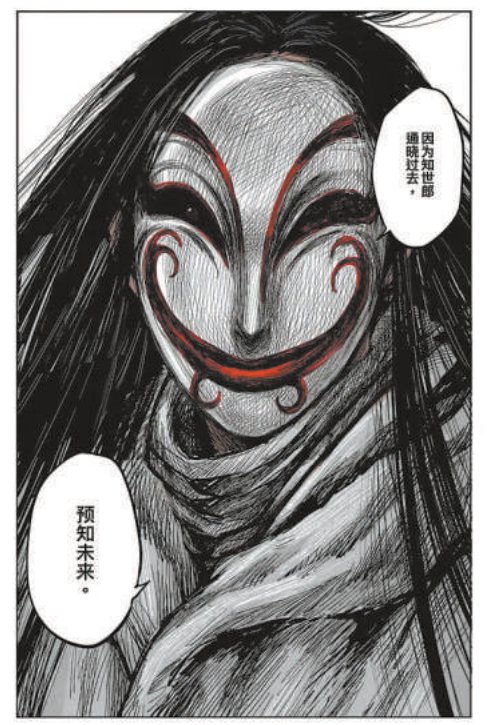
Core Viewpoint - The article discusses the historical figure Wang Bo, known as "Zhishilang," who led a rebellion during the late Sui Dynasty, highlighting his significance in the context of peasant uprisings and the cultural legacy surrounding his character in modern adaptations like the film "Biao Ren" [2][3]. Historical Context - Wang Bo's uprising in 611 was a response to the oppressive policies of Emperor Yang of Sui, particularly his military campaigns in Liaodong, which led to widespread suffering and rebellion among the populace [2][3]. - The use of folk songs and children's rhymes as rallying cries for rebellion was common during this period, with Wang Bo's song echoing the sentiments of resistance against tyranny [3]. Cultural Adaptation - The film "Biao Ren," released during the Spring Festival, features a character based on Wang Bo, portraying him as an idealistic figure representing the enduring struggle for equality against imperial power [3]. - The character of Wang Bo has been adapted in various forms of storytelling, often depicted as a villain in traditional narratives, reflecting the complexities of his historical legacy [7][9]. Historical Records - Historical records of Wang Bo are sparse, with most accounts emerging from later interpretations and adaptations, which often misrepresent his role and contributions [4][5]. - Despite being a significant figure in the peasant uprisings, Wang Bo was not the first to lead a rebellion in the region, as earlier movements had already begun before his uprising [4][5]. Downfall and Legacy - Wang Bo's eventual downfall came after aligning with the Tang Dynasty, where he was later killed due to internal conflicts and rivalries, illustrating the treacherous nature of political alliances during this tumultuous period [5][6]. - The narrative surrounding Wang Bo has evolved over time, with later literature often portraying him in a negative light, overshadowing his initial role as a leader of resistance [8][9].