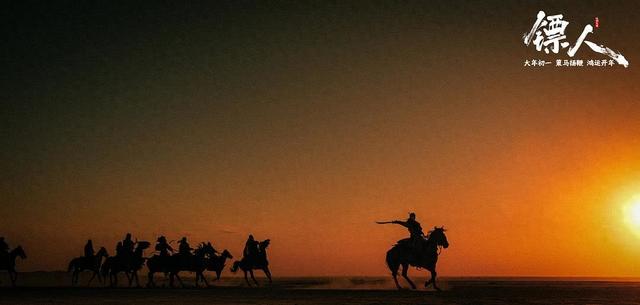
漫画《镖人》

Search documents
谁人识得“知世郎”
Bei Jing Wan Bao· 2026-02-25 06:52
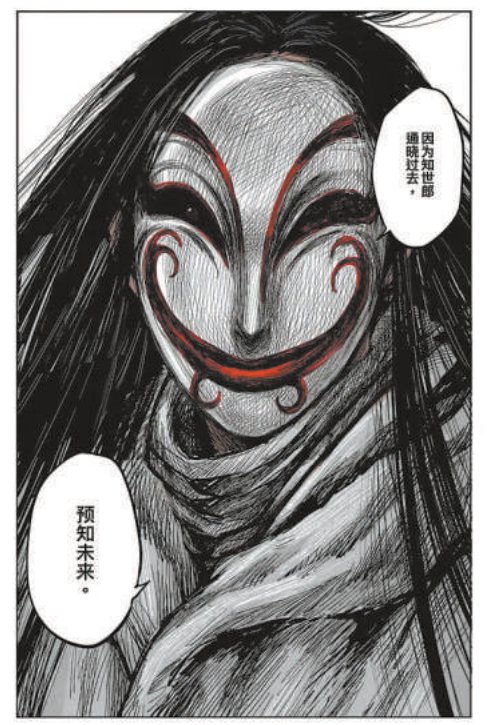
Core Viewpoint - The article discusses the historical figure Wang Bo, known as "Zhishilang," who led a rebellion during the late Sui Dynasty, highlighting his significance in the context of peasant uprisings and the cultural legacy surrounding his character in modern adaptations like the film "Biao Ren" [2][3]. Historical Context - Wang Bo's uprising in 611 was a response to the oppressive policies of Emperor Yang of Sui, particularly his military campaigns in Liaodong, which led to widespread suffering and rebellion among the populace [2][3]. - The use of folk songs and children's rhymes as rallying cries for rebellion was common during this period, with Wang Bo's song echoing the sentiments of resistance against tyranny [3]. Cultural Adaptation - The film "Biao Ren," released during the Spring Festival, features a character based on Wang Bo, portraying him as an idealistic figure representing the enduring struggle for equality against imperial power [3]. - The character of Wang Bo has been adapted in various forms of storytelling, often depicted as a villain in traditional narratives, reflecting the complexities of his historical legacy [7][9]. Historical Records - Historical records of Wang Bo are sparse, with most accounts emerging from later interpretations and adaptations, which often misrepresent his role and contributions [4][5]. - Despite being a significant figure in the peasant uprisings, Wang Bo was not the first to lead a rebellion in the region, as earlier movements had already begun before his uprising [4][5]. Downfall and Legacy - Wang Bo's eventual downfall came after aligning with the Tang Dynasty, where he was later killed due to internal conflicts and rivalries, illustrating the treacherous nature of political alliances during this tumultuous period [5][6]. - The narrative surrounding Wang Bo has evolved over time, with later literature often portraying him in a negative light, overshadowing his initial role as a leader of resistance [8][9].

从“完成表演”走向“理解创作”
Xin Lang Cai Jing· 2026-02-23 19:42
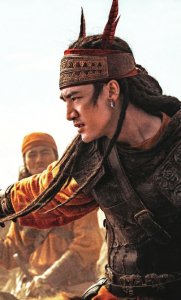
Core Viewpoint - The film "Biao Ren: Wind Rises in the Desert" directed by Yuan Pei is well-received, showcasing a luxurious lineup of five generations of action martial arts filmmakers, which evokes nostalgia among viewers [3]. Group 1: Film Reception - The film was released on February 17 and has exceeded audience expectations, maintaining the hardcore martial arts essence of the original work while achieving impressive visual storytelling [3]. - Audience feedback highlights memorable scenes, particularly the fight sequences on the Gobi Desert and the portrayal of the character He Yixuan by actor Ci Sha [3]. Group 2: Character Development - Ci Sha, who plays He Yixuan, is deeply invested in the character, having read the original comic and watched the animated version prior to auditioning [4]. - He created a detailed character biography to explore He Yixuan's complex motivations, which include family obligations and personal despair, leading to morally ambiguous decisions [4][6]. Group 3: Preparation and Performance - Ci Sha undertook extensive preparations, including mimicking specific poses and suggesting character details like the addition of a bell on the horse [6]. - His approach to acting emphasizes fully embodying the character, believing that understanding the character's background and experiences is crucial for authentic performance [6]. Group 4: Artistic Philosophy - Ci Sha expresses the importance of maintaining a pure passion for acting while also being discerning in project choices, balancing emotional engagement with rational decision-making [7].
电影《镖人》热映漫画原著热度飙升,连载10年的漫画原著另有一番精彩
Xin Lang Cai Jing· 2026-02-23 05:19
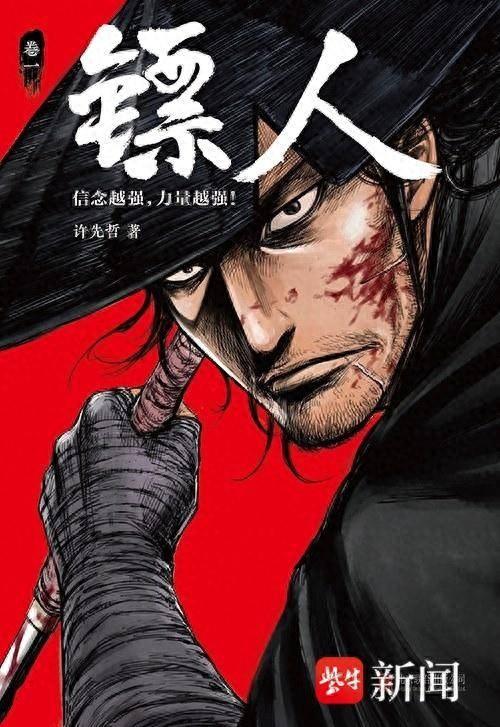
Core Viewpoint - The film "Biao Ren: Feng Qi Da Mo" has received significant acclaim during the Spring Festival, being regarded as one of the best martial arts films in the past decade, which has positively impacted the popularity of the original "Biao Ren" manga [1][4]. Group 1: Film Performance - "Biao Ren: Feng Qi Da Mo" has been praised for its spectacular fight scenes, leading to its classification as a top martial arts film in recent years [1]. - The film's success has resulted in a surge in interest for the "Biao Ren" manga, with multiple versions entering the WeChat reading list's rising rankings [1]. Group 2: Manga Background - The "Biao Ren" manga, created by Xu Xianzhe, has been serialized since July 1, 2015, across various platforms, including Tencent Comics and Japanese online manga platforms [3]. - The manga has received accolades, including the Best Market Performance Award at the Cai Zhizhong Comic Awards in December 2021, and has been well-received both domestically and internationally [3]. Group 3: Story and Artistic Elements - Set during the Sui Dynasty, the story follows the character Dao Ma and his son as they navigate conflicts involving bounty hunting and court conspiracies [4]. - The manga is noted for its historical accuracy in character roles, weaponry, and architectural styles, with a realistic art style that has evolved over time, showcasing a strong narrative and character development [4]. - Unlike the film, which focuses on action, the manga emphasizes character depth and philosophical themes, providing a richer narrative experience for readers [4].
《镖人:风起大漠》凭口碑逆袭,吴京回应:武侠这个梦,总得有人去做
Xin Lang Cai Jing· 2026-02-23 00:08
Core Viewpoint - The film "Biao Ren: Wind Rises in the Desert" has successfully revived the excitement of martial arts films among audiences, achieving a box office of over 700 million yuan within four days of its release, showcasing its strong word-of-mouth appeal [1]. Group 1: Film Production and Themes - The film is directed by Yuen Woo-ping and stars Wu Jing, who has long dreamed of creating a martial arts film that captures the essence of freedom in the martial arts world [4]. - Wu Jing expressed initial hesitation about how to innovate within the martial arts genre, but was inspired by the comic "Biao Ren" to pursue the project [4]. - The film aims to explore deeper philosophical themes, such as the way individuals should live, through the perspective of the character Dao Ma [4][11]. Group 2: Cast and Action Sequences - The film features a star-studded cast including Jet Li, Wu Jing, Nicholas Tse, and others, all of whom are known for their martial arts skills [5]. - Jet Li's participation has generated excitement, with Wu Jing praising his enduring skill and performance during action scenes [8]. - The film includes real action sequences shot in Xinjiang, enhancing the authenticity and emotional impact of the performances [9]. Group 3: Audience Engagement and Expectations - Wu Jing hopes the film will resonate with audiences and evoke nostalgia for martial arts films, while acknowledging the uncertainty of meeting diverse audience expectations [11]. - The production team has made significant efforts to ensure that each scene is unique and serves the characters and storyline, aiming to create a memorable cinematic experience [11].