唐代丧葬制度

Search documents
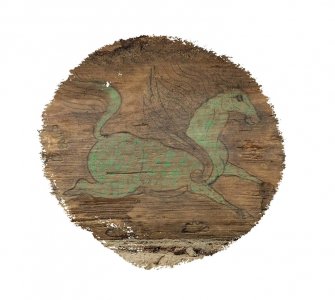
新疆考古发现的彩绘“天马”有何寓意
Xin Lang Cai Jing· 2026-02-09 19:16
Core Viewpoint - The archaeological discovery of the M20 tomb in the Bada Mudong cemetery in Xinjiang reveals significant findings, including a well-preserved Tang dynasty painted wooden coffin, which is crucial for understanding burial practices of the era [4][6]. Group 1: Archaeological Findings - The M20 tomb yielded the most complete Tang dynasty painted wooden coffin seat to date, featuring 12 winged "auspicious beasts," including two "heavenly horses" [4][5]. - The painted coffin seat is noted for its symmetrical design, with six "auspicious beasts" on each side, and scenes depicting tigers hunting sheep and deer, showcasing the artistic style of the Tang dynasty [4][6]. Group 2: Cultural Significance - The "heavenly horses" are interpreted as symbols of hope for the deceased's soul to ascend, reflecting the Tang people's reverence for auspicious omens [5]. - The design of the winged beasts may have been influenced by Eastern Roman motifs, indicating a blend of cultural elements from the West and local traditions [5]. Group 3: Identity of the Deceased - The identity of the tomb's occupant is not definitively known, but evidence suggests they were likely a high-ranking official from the Tang dynasty, as indicated by the tomb's structure and features [6]. - The tomb's design, including a long sloped entrance and a ceiling, aligns with the characteristics of official burials from the Tang period, suggesting a status of at least a third-rank official [6].