商标法修改

Search documents
手机开机动画的知识产权将受法律保护
Xin Lang Cai Jing· 2026-01-23 13:45
Core Points - The trademark law (revised draft) has passed its first review by the Standing Committee of the National People's Congress by the end of 2025 [1] - The revision aims to enhance the role of trademarks in promoting economic and social development while strengthening trademark management and protection [3] - The revision allows for the registration of "dynamic marks," such as mobile phone boot animations and dynamic displays of software programs, to adapt to new fields and business models [3]

国家知识产权局回应商标法新一轮修改:加大“心机商标”整治力度
Xin Lang Cai Jing· 2026-01-23 13:44
Core Viewpoint - The recent amendment to the Trademark Law in China aims to enhance trademark management and protection, promoting economic and social development through a comprehensive and systematic approach [1][3]. Group 1: Key Focus Areas of the Amendment - The amendment addresses three main areas: 1. Problem-oriented solutions to prominent issues in the trademark field, including stricter regulations against malicious trademark registration and hoarding, and the potential cancellation of trademarks that have not been used for three consecutive years [3][4]. 2. Optimization of business processing to facilitate convenience for enterprises, such as reducing the trademark registration opposition period from three months to two months and allowing applicants to withdraw their applications [3][4]. 3. Alignment with high-standard international trade rules to support high-level openness, including the protection of unregistered well-known trademarks and the introduction of dynamic marks as registrable trademarks [4]. Group 2: Impact on Patent Quality - The effective number of invention patents in China has surpassed 5 million, indicating a significant improvement in patent quality, which reflects the country's innovation level [5]. - The National Intellectual Property Administration has implemented a combination of policies to enhance patent quality through coordinated efforts across application, agency, and examination stages [5].
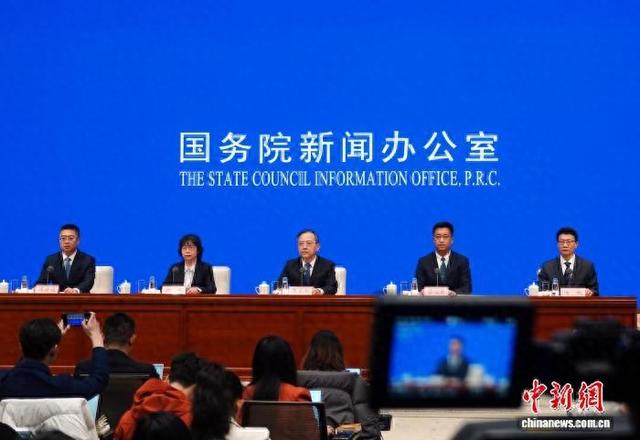
国家知识产权局:加大力度整治“心机商标”,规制恶意抢注和囤积行为|快讯
Xin Lang Cai Jing· 2026-01-23 04:27
Core Viewpoint - The revision of the trademark law aims to address issues such as malicious trademark registration and improve the legal framework for trademark management, promoting a transparent market environment and supporting high-quality economic development [2][3]. Group 1: Systematic Solutions - The revision will tackle prominent issues in the trademark sector, including the prohibition of trademark applications that are not intended for use and are excessively beyond normal business needs [2]. - There will be stricter regulations against malicious trademark registration and hoarding behaviors, with severe cases leading to trademark cancellation [2]. - The law will allow for the proactive cancellation of registered trademarks that have not been used for three consecutive years without justifiable reasons, enhancing the trademark system's exit mechanism [2]. - Strengthening regulation of the trademark agency industry to combat vicious competition and illegal activities, thereby purifying the agency market order [2]. Group 2: Process Optimization - The trademark registration opposition period will be shortened from three months to two months to meet the needs of businesses for quicker rights acquisition [3]. - Applicants will be allowed to voluntarily withdraw their trademark registration and review applications, respecting and safeguarding their personal intentions [3]. - Improvements will be made to the procedures for trademark authorization and confirmation, reducing the costs and litigation burdens for applicants [3]. Group 3: International Standards Alignment - The law will align with international treaties, ensuring that unregistered well-known trademarks receive cross-class protection, thereby enhancing protection levels [3]. - The introduction of "dynamic marks" as elements for trademark registration, such as mobile startup animations and software dynamic displays, will cater to the needs of new fields and business models [3]. - The law will also reserve space for other forms of elements to be registered as trademarks, accommodating various entities' innovative business model registration needs [3].