
回南天

Search documents
广东明起或现回南天!大部市县多云转阴,雨雾天气能见度低
Nan Fang Du Shi Bao· 2026-01-24 03:05
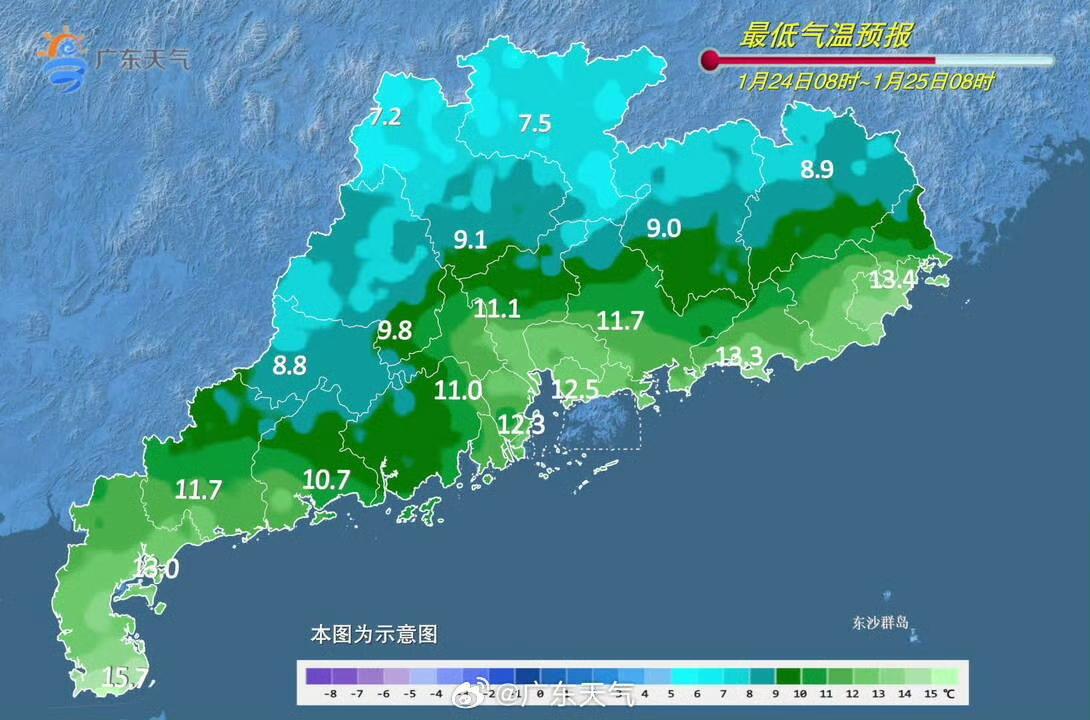
Core Viewpoint - The weather forecast indicates a significant change in the low-level wind patterns in Guangdong and Guangxi, leading to a rise in dew point temperatures and the potential for a "return of the south" phenomenon, although it may not be very typical due to gradual surface temperature increases [1][4]. Group 1: Weather Forecast - On January 24, the weather in the southern Pearl River Delta and eastern Guangdong is expected to be mostly sunny to partly cloudy, with light fog in the mornings and evenings, and temperatures ranging from 2-5°C in northern Guangdong to 12-16°C in the Leizhou Peninsula [3]. - From January 25-26, most areas will transition from cloudy to overcast with light rain or fog, leading to lower visibility and rising temperatures [3][4]. - The specific forecast for Guangzhou on January 24 shows temperatures between 10-17°C, with a gradual increase to 10-22°C on January 25, and continued overcast conditions with light rain expected on subsequent days [4]. Group 2: Meteorological Analysis - According to meteorological analysts, the low-level winds will shift to a noticeable southerly direction on January 25-26, causing dew point temperatures to rise to 12-16°C, which may lead to moisture condensation and the "return of the south" phenomenon [1][4]. - However, the surface temperatures are also gradually increasing, which may prevent the phenomenon from being very pronounced [4].

广西的南宁下雪了?气象专家回应了......据说,2026年首个“回南天”即将光临!!!
Xin Lang Cai Jing· 2026-01-22 11:00
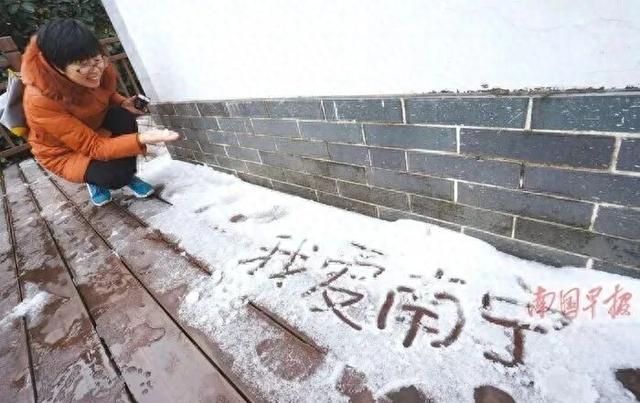
Core Viewpoint - The recent snowfall reports in Nanning, Guangxi, have been clarified as misleading, with actual conditions being light rain rather than snow, and many images circulating online are likely AI-generated [9][11]. Weather Conditions - Nanning experienced excitement over perceived snowfall, with many residents sharing videos and images of the supposed snow [3][4]. - The Guangxi Meteorological Department confirmed that the conditions were not suitable for snow, indicating that the visuals were likely created under specific lighting conditions during rain [7][9]. AI-Generated Content - The chief forecaster from the Guangxi Meteorological Department emphasized that the beautiful snow scenes circulating online are mostly unmarked AI-generated images [9]. - The National Internet Information Office has mandated that AI-generated content must be clearly labeled to avoid legal issues, urging the public to be cautious about unverified information [11]. Upcoming Weather Forecast - The region is expected to see a warming trend, with temperatures in Nanning projected to rise above 15°C, leading to a "return of damp weather" phenomenon [13]. - The cold wave is subsiding, and while southern regions will experience stable warming, northern areas will see a slower and more variable temperature increase [13].
强冷空气来袭 全市大部日平均气温低于10℃
Xin Lang Cai Jing· 2026-01-20 21:55
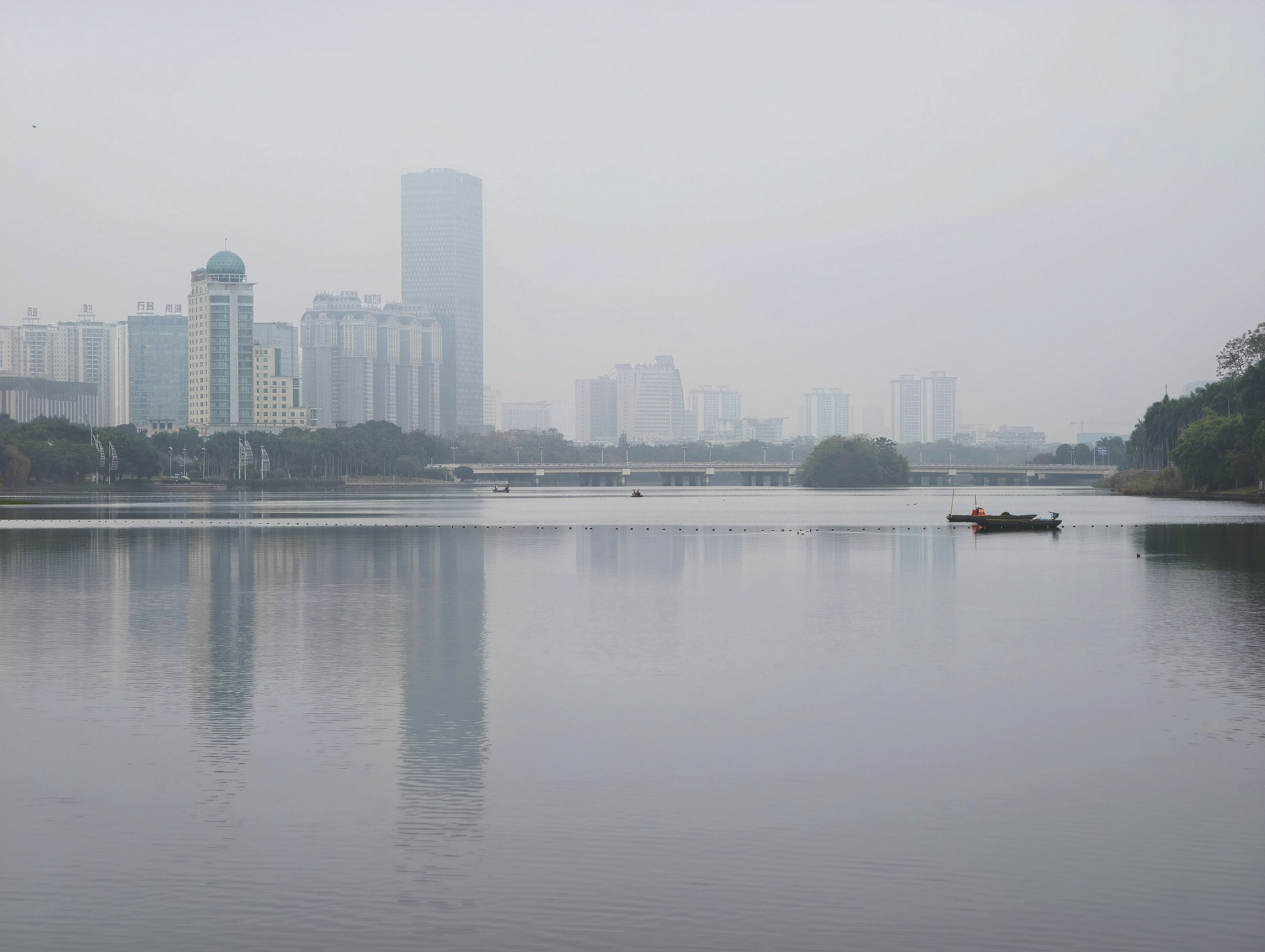
Core Viewpoint - The article discusses the impact of a strong cold air mass on Nanning's weather, leading to significant temperature drops and potential adverse effects on agriculture and energy supply [1] Weather Impact - From January 21 to 23, the average daily temperature in most parts of Nanning is expected to be below 10°C, with certain areas like Mashan, Shanglin, and Binyang dropping below 8°C [1] - In high-altitude regions such as Daming Mountain, the minimum temperature may fall to -3°C, resulting in frost, freezing rain, and icy roads [1] Temperature Forecast - The forecast indicates overcast skies with light rain from January 21 to 22, with minimum temperatures ranging from 5°C to 8°C and maximum temperatures between 8°C and 10°C [1] - On January 23, the weather will transition to cloudy with minimum temperatures of 6°C to 8°C and maximum temperatures of 13°C to 14°C [1] Subsequent Weather Changes - After January 23, temperatures are expected to gradually rise, with a return of humid weather starting January 24, which may include fog and damp conditions [1] - From January 24 to 26, the forecast predicts cloudy skies with minimum temperatures between 10°C and 11°C and maximum temperatures ranging from 17°C to 20°C [1] Energy and Agricultural Considerations - The meteorological department advises that the low temperatures will increase energy demand, necessitating effective energy supply management [1] - The cold weather is likely to adversely affect cold-sensitive crops, poultry, livestock, and aquaculture, highlighting the need for cold protection measures [1]
先迎寒潮“冻”感来袭 后遇回南“潮”气逼人
Xin Lang Cai Jing· 2026-01-20 00:24
Summary of Key Points Core Viewpoint - A significant cold wave is impacting Guangxi, with temperatures dropping sharply, particularly in Nanning, where a temperature decrease of over 16°C is reported in some areas. This cold wave is expected to be followed by a rapid warming period known as "returning to southern weather" from January 24 to 26 [2][3]. Group 1: Weather Impact - The first major cold wave of 2026 has arrived in Guangxi, leading to severe temperature drops and the issuance of cold wave, snowstorm, and freezing weather warnings [2]. - Visibility issues due to fog have been reported across 13 cities in Guangxi, with Nanning, Laibin, and Guilin experiencing the most significant impacts [3]. - The temperature in Nanning is forecasted to drop from 19°C to 12°C during the day, with further drops expected in the following days [3]. Group 2: Future Weather Predictions - Following the cold wave, temperatures in Nanning are expected to rise quickly, with minimum temperatures between 14°C and 15°C and maximum temperatures between 21°C and 22°C from January 24 to 26 [3]. - The upcoming "returning to southern weather" is anticipated to be moderate to severe, prompting residents to prepare for increased humidity and potential dampness [3].
南方人的一生之敌,蟑螂只能排第二
后浪研究所· 2025-10-22 07:04
Group 1 - The article discusses the challenges faced by people from southern China, particularly in relation to climate and lifestyle [3][12][20] - It highlights the unique cultural aspects of southern cities, including food and local customs, emphasizing the importance of quick eating habits in humid conditions [16][41][49] - The article encourages readers to explore various cities and their distinctive features, promoting a deeper understanding of regional differences [5][29][33] Group 2 - The article mentions specific cities like Wuhan and Fuzhou, showcasing their culinary traditions and local quirks [16][45][46] - It emphasizes the significance of local dialects and the rich cultural heritage found in southern provinces [5][39][40] - The content invites readers to engage with the "City Roaming Plan" for a more immersive experience of different urban environments [9][59][60]

热点访谈 | 气象专家解释,北京为何这么湿
Xin Hua Wang· 2025-07-05 07:22
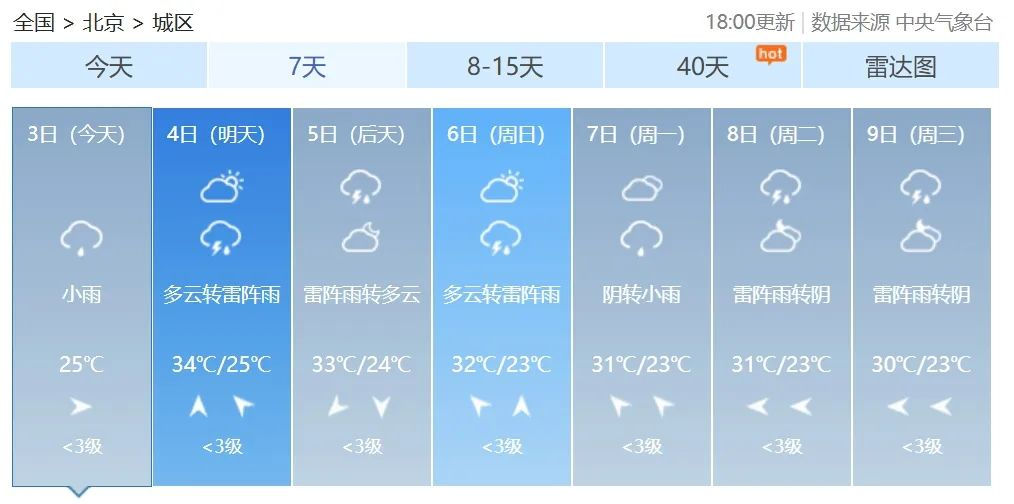
Core Viewpoint - The recent hot and humid weather in Beijing is attributed to the northward movement of the subtropical high pressure, leading to a "sauna-like" experience for residents [1][3]. Weather Conditions - The phenomenon known as "returning south weather" typically occurs from February to April in southern China, but the current conditions in Beijing are due to the subtropical high pressure affecting the region [1][3]. - The Central Meteorological Observatory indicates that the hot and humid weather is normal for summer, although it has arrived earlier this year compared to previous years [3]. Forecast and Duration - The forecast predicts that the hot and humid weather will persist for an extended period, with 12 out of the next 14 days in Beijing expected to have rainfall [4][5]. - The highest temperatures are projected to reach 37°C on July 12 and 13, with the subtropical high pressure continuing to dominate the weather in the region [4][5]. Health Risks - High humidity and heat can lead to health risks such as heatstroke, with recommendations for the public to seek shade, stay hydrated, and seek medical attention if symptoms worsen [6].
北京天气闷热潮得像“回南天”?真相其实是这样的
Xin Hua Wang· 2025-07-03 22:55
Core Viewpoint - The recent hot and humid weather in Beijing has sparked discussions about it resembling the "return of the southern rainy season," but meteorological data indicates a different cause for the discomfort [1][4]. Group 1: Weather Conditions - On July 3, Beijing recorded a temperature of 28.5°C with a humidity level of 83%, contrasting with Guangzhou, which had a temperature of 33.6°C and a humidity of 60% [1][4]. - The phenomenon referred to as "return of the southern rainy season" typically occurs from February to April in southern regions, while the current weather in Beijing is attributed to the subtropical high pressure leading to a "sauna-like" environment [4]. Group 2: Meteorological Analysis - The subtropical high pressure has moved northward, bringing moist summer winds to northern regions, resulting in increased humidity and frequent rainfall in Beijing [4]. - Meteorological departments have warned that high humidity and heat can lead to heatstroke, advising the public to recognize symptoms and seek relief [4].

“衣物都有馊味了”,北京也出现了“回南天”
Xin Jing Bao· 2025-07-02 08:30
Core Viewpoint - Beijing is experiencing unusual humidity levels comparable to southern regions, leading to discomfort among residents due to high temperatures and moisture in the air [1][2][4]. Weather Conditions - Recent weather in Beijing has shown humidity levels exceeding 70%, with temperatures around 30°C, resulting in a perceived temperature of approximately 35°C [2]. - The current weather pattern is influenced by warm and humid air from the subtropical high-pressure system, causing conditions similar to the typical summer heat experienced in late July to early August [2][4]. Humidity Analysis - The minimum relative humidity in certain districts of Beijing has approached 60%, significantly higher than the historical average of 12.6% for early July [2][4]. - The ongoing high humidity is attributed to the persistent influence of warm, moist air from the western Pacific subtropical high-pressure system, which has led to increased rainfall in the region [4]. Rainfall and Relief - Since June 26, Beijing has experienced continuous rainfall, with forecasts indicating further significant rain, which is necessary to alleviate the current humidity levels [4]. - Meteorological experts suggest that a substantial rain event is required to convert atmospheric moisture into precipitation, providing temporary relief from the high humidity [4].