
回流降雪

Search documents
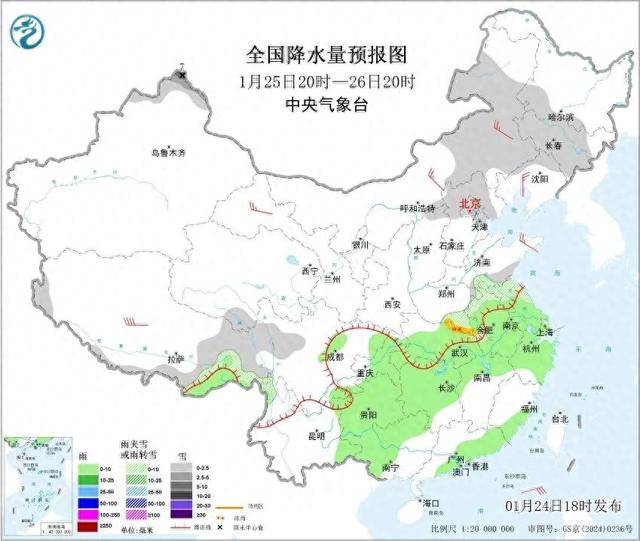
未来一周冷空气频繁!明天北京再迎降雪!
Xin Lang Cai Jing· 2026-01-24 12:26
Core Points - A new cold air mass will affect China's central and eastern regions starting January 25, bringing temperature drops of 3 to 6°C, with local decreases exceeding 8°C [1] - Snowfall is expected in North China, southern Northeast China, and northern Huanghuai, primarily characterized as "return flow snow" [1][3] Summary by Sections Weather Forecast - The chief forecaster from the Central Meteorological Observatory explained that "return flow snow" occurs when cold air from the north moves southward, encountering geographical barriers that cause it to gain moisture and subsequently cool and condense into snow [3] - The forecast indicates that from January 25 to early January 26, Beijing will experience light snow, with most areas expecting snow accumulation of less than 1 cm, while mountainous regions may see 1 to 4 cm [3][4] Impact of Snowfall - The snowfall is expected to start in the early morning of January 25, with intermittent light snow throughout the day, leading to slippery roads and reduced visibility [4] - The maximum temperature in Beijing on January 25 is forecasted to drop to -2°C, with a wind chill effect making it feel colder [5] Comparison with Previous Weather Events - This cold air event is noted to have a rain-snow line significantly further north compared to the previous cold air event from January 17 to 21, with reduced snowfall intensity and coverage [5] - A new cold air mass is anticipated from January 29 to 31, expected to bring temperature drops of 4 to 8°C, with local areas experiencing drops of around 10°C and stronger precipitation than the current event [7]

湘北部分地区中到大雪,常德局地暴雪
Xin Lang Cai Jing· 2026-01-18 19:30
Core Viewpoint - A significant cold wave and snowstorm are expected to impact central and eastern China from January 18 to 21, with temperatures dropping sharply and widespread rain and snow forecasted [4][9]. Weather Forecast - The Central Meteorological Administration predicts that the cold wave will bring strong temperature drops, with some cities experiencing declines of over 20°C [4]. - The snowstorm is expected to be extensive, with heavy snowfall concentrated in regions such as southeastern Shaanxi, southern Shanxi, and parts of Henan and Hubei from January 19 to 20 [5][6]. - The maximum ice thickness during this weather event could reach 5 to 8 millimeters, with some mountainous areas exceeding 10 millimeters [7]. Emergency Response - The National Disaster Reduction Committee has initiated a Level 4 emergency response for low-temperature rain and snow disasters in Anhui, Henan, Hunan, and Guizhou [9][10]. - Authorities are focusing on ensuring safety, maintaining transportation, and providing power supply, while also preparing for emergency rescue operations [10]. Health Precautions - Health experts warn that low temperatures can exacerbate respiratory and cardiovascular diseases, particularly among vulnerable populations [11]. - Recommendations include keeping warm, avoiding prolonged exposure to cold, and ensuring safe outdoor practices to prevent falls and injuries [11].
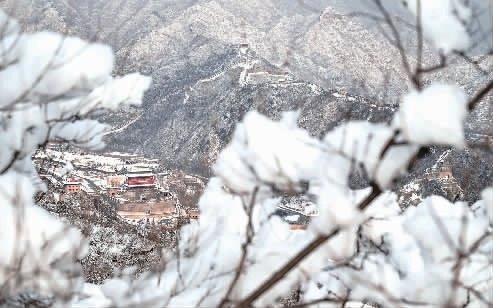
2026 年北京首场降雪刷屏!为何这次雪花这么大?
Xin Lang Cai Jing· 2026-01-18 14:20
Group 1 - The snowfall in Beijing in 2026 is characterized by large snowflakes, described as "鹅毛大雪" (goose feather snow), and significant snowfall in the western mountainous areas [1][2] - The snowfall is attributed to a typical backflow snowfall pattern in North China, relying on easterly winds that bring moisture from the Bohai Bay to Beijing [1][2] - The topography of the western mountainous regions of Beijing enhances the uplift effect of the easterly winds and moisture, resulting in greater snowfall in these areas [1] Group 2 - The temperature of the cloud layer during this snowfall ranges between -10°C and -20°C, which is conducive to the rapid growth of snowflakes [2] - The collision and adhesion of snowflakes during their descent contribute to the formation of larger snowflakes or snow clumps, enhancing the visual effect of the snowfall [2] - The fluffy structure of the snowflakes often results in a deeper accumulation of snow on the ground [2]
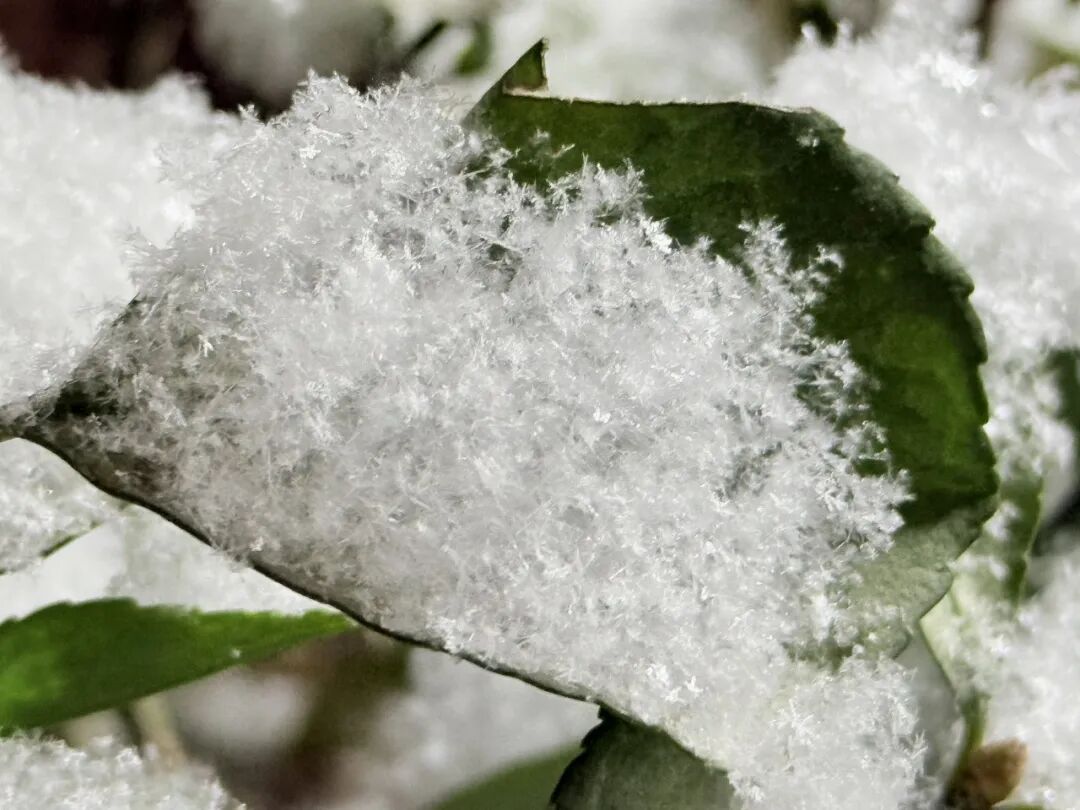
气象部门解读北京今年首场降雪为何“分配不均”
Xin Hua Wang· 2026-01-18 03:23
Core Viewpoint - The recent snowfall in Beijing is attributed to a typical backflow snowfall pattern in North China, resulting in significant snow accumulation in various districts, particularly in the western mountainous areas [4][6]. Group 1: Snowfall Data - The average snowfall in Beijing from January 17 to January 18 was 1.2 mm, with an average of 1.6 mm in urban areas and a maximum of 9.9 mm recorded in Fengtai District [1]. - Snow accumulation in areas such as Fangshan, Mentougou, Shijingshan, Haidian, and Fengtai reached depths of 9 cm to 20 cm [2]. Group 2: Meteorological Explanation - The snowfall was caused by an easterly cold air flow from the Bohai Bay, which brought moisture to Beijing, leading to the formation of snow clouds at temperatures between -10°C and -20°C [4]. - The structure of the snowflakes was fluffy, contributing to the visual effect of "feather-like snow" and resulting in thicker snow accumulation [4]. Group 3: Regional Variations - The western mountainous areas of Beijing experienced greater snowfall due to the terrain enhancing the uplift of the easterly winds and moisture [6]. - The snowfall distribution was uneven, with significant snowfall occurring in the western regions during the evening and night of January 17 [6].
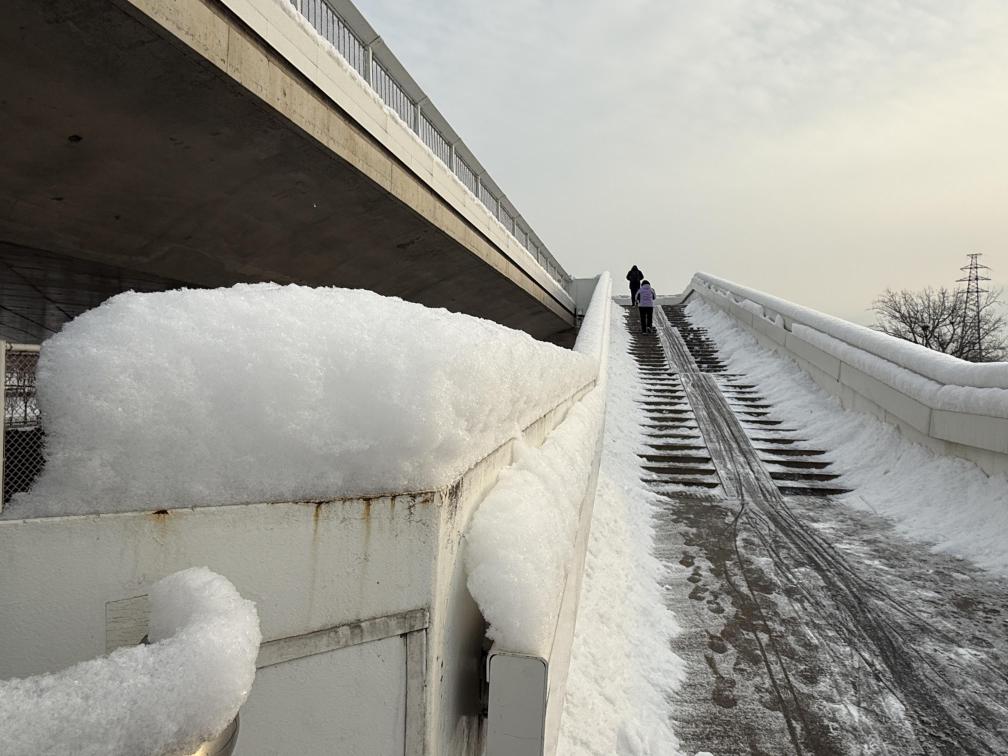
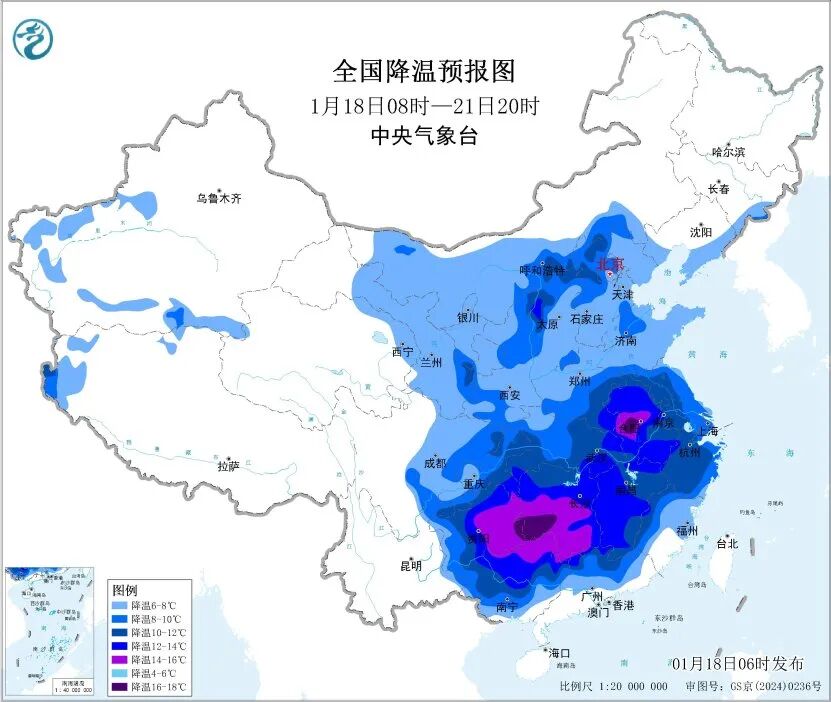
北京鹅毛大雪登热搜?未来几日大部地区寒潮雨雪天气持续!
Xin Lang Cai Jing· 2026-01-18 02:59
Group 1 - The core viewpoint of the article highlights the significant snowfall in Beijing, characterized by large, fluffy snowflakes, attributed to a typical backflow snowfall process in North China, influenced by cold air from the Bohai Bay bringing moisture to the region [1] - The snowfall is expected to peak from January 18 to 21, with a cold wave affecting most parts of China, leading to a drop in temperatures and widespread rain and snow [1][3] - The Central Meteorological Administration has issued a blue alert for the cold wave, indicating that temperatures will continue to decrease across various regions [1][3] Group 2 - From January 18 to 21, the central and eastern regions of China will experience a significant drop in temperatures, with average daily or minimum temperatures falling by 6°C to 12°C, and in some areas, the drop could reach 16°C or more [3] - Specific regions such as southern Huanghuai, western Jianghuai, eastern Jianghan, and parts of Jiangnan are expected to see temperature declines of 12°C to 14°C [3] - The weather forecast indicates that from January 18 at 8 AM to January 20 at 8 AM, temperatures in several provinces including Gansu, Inner Mongolia, and Shaanxi will decrease by 6°C to 10°C, with some areas experiencing drops of 10°C to 14°C [3][5] Group 3 - The article notes that the rain and snow weather process will affect the central and eastern regions of China, with complex precipitation states including rain, snow, and freezing rain expected in the Qinling-Huaihe region [5] - Areas such as southern Shaanxi, central and southern Henan, and western Hubei are forecasted to experience heavy snow or blizzard conditions, while freezing rain is anticipated in parts of Hunan, Guizhou, and Chongqing [5] - Meteorological experts emphasize the need to pay attention to the impacts of the cold wave and rain-snow weather on urban transportation, energy supply, and public health [5]
北京为何这次雪花这么大
Xin Lang Cai Jing· 2026-01-18 00:58
Core Points - The snowfall in Beijing is characterized by large snowflakes and significant accumulation in the western mountainous areas [1] - The snowfall is attributed to the influence of an easterly wind return weather pattern, which enhances precipitation in the region [1] Weather Conditions - The snowfall is a typical return snowfall for the North China region, relying on easterly winds [1] - The geographical features of Beijing's western mountains trap the easterly winds and moisture, leading to increased snowfall in these areas [1] Snowflake Formation - The temperature of the cloud layer during the snowfall ranges from -10°C to -20°C, which is conducive to the rapid growth of snowflakes [1] - The collision and adhesion of snowflakes during their descent result in the formation of large, fluffy snowflakes, creating a "feather-like snow" visual effect [1] - The structure of the snowflakes is airy, contributing to a greater perceived depth of accumulated snow [1]
气象部门回应北京鹅毛大雪:回流降雪
Xin Lang Cai Jing· 2026-01-18 00:57
Core Viewpoint - The recent heavy snowfall in Beijing is attributed to a typical "return flow snowfall" phenomenon influenced by easterly winds, which enhances precipitation in the western mountainous areas of the city [1] Group 1: Meteorological Factors - The snowfall is characterized as a typical return flow snowfall in North China, relying on easterly winds [1] - The topography of Beijing's western mountainous areas traps the easterly winds and moisture, intensifying the uplift in lower layers, leading to greater snowfall [1] - The cold air from the Bohai Bay, combined with the easterly winds, brings abundant moisture to Beijing, resulting in the formation of snow clouds [1] Group 2: Snow Characteristics - The temperature of the cloud layer during the snowfall ranged from -10°C to -20°C, which is conducive to the rapid growth of snowflakes [1] - The collision and adhesion of snowflakes during their descent contribute to the formation of large, visually appealing snowflakes or snow clumps, creating the "goose feather snow" effect [1] - The fluffy structure of the snowflakes often results in a deeper accumulation of snow on the ground [1]
北京西部地区积雪达2—6厘米 为什么沿山雪势更强?
Xin Lang Cai Jing· 2026-01-17 14:41
Group 1 - The snowfall in Beijing on January 17 is primarily due to the influence of an easterly wind return weather pattern, resulting in light snow across most areas, with significant snowfall in the western regions [1][3] - The western mountainous areas of Beijing experience greater snowfall due to the terrain, which enhances the uplift of the easterly wind and moisture, leading to increased precipitation [3] - The cold air from the Bohai Bay brings abundant moisture to Beijing, which, when lifted in the western regions, forms snow clouds at temperatures between -10 to -20 degrees Celsius, facilitating the rapid growth of snowflakes [3] Group 2 - The structure of the snowflakes is fluffy, which contributes to a deeper appearance of the accumulated snow [4]
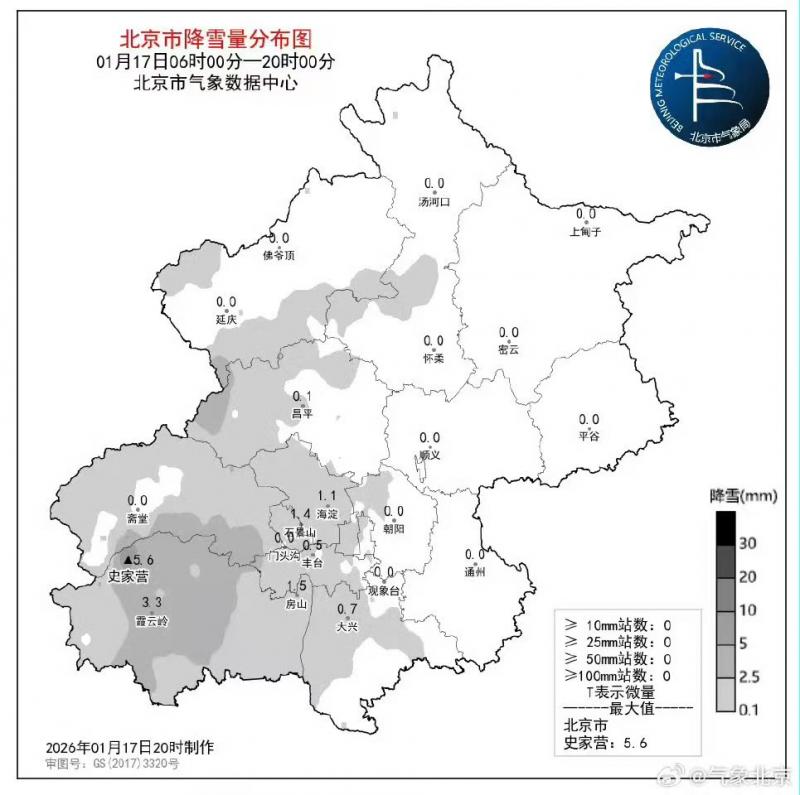
今天的大雪花是怎样炼成的?为什么沿山雪势更强?
Xin Lang Cai Jing· 2026-01-17 13:34
Group 1 - The snowfall in the western mountainous areas of Beijing is significantly greater due to the influence of easterly wind return weather patterns [1] - The topography of the western mountainous region of Beijing enhances the uplift effect of low-level air, leading to increased snowfall in these areas [1] - The current snowfall is characterized by larger snowflakes, attributed to the typical return snowfall in North China, where easterly winds bring moisture that forms snow clouds [1] Group 2 - The temperature of the cloud layer during this snowfall is between -10 to -20 degrees Celsius, which facilitates the rapid growth of snowflakes [1] - The collision and adhesion of snowflakes during their descent contribute to the formation of larger snowflakes or snow clumps, creating a visually appealing "feather-like snow" effect [1] - The fluffy structure of the snowflakes often results in a deeper snow accumulation [1]