低温雨雪冰冻灾害

Search documents
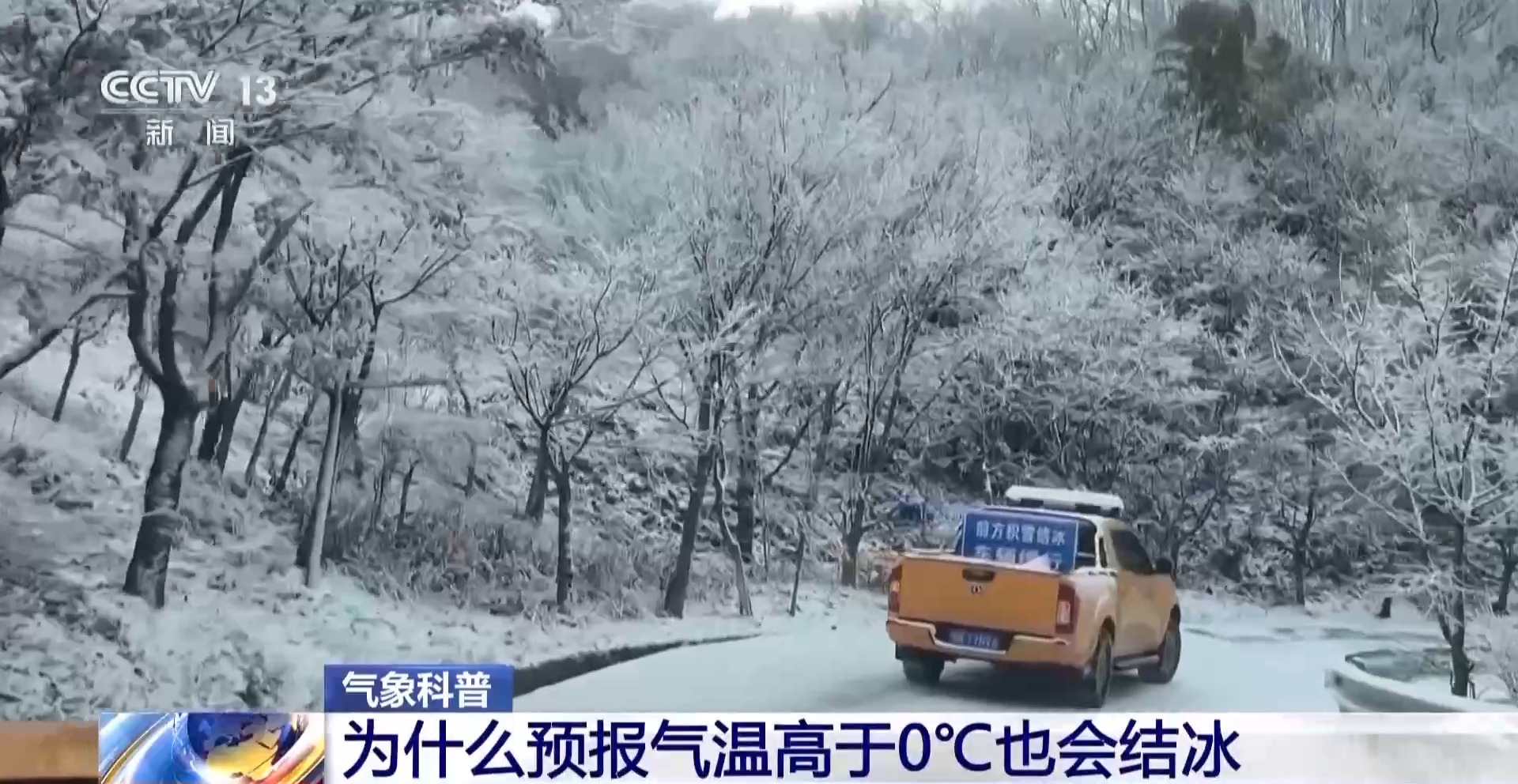
视频丨冻雨不是雪 盘点低温雨雪冰冻天气常见误区
Yang Shi Xin Wen Ke Hu Duan· 2026-01-25 13:37
Core Viewpoint - The article highlights common misconceptions regarding low-temperature rain, snow, and ice weather, emphasizing the importance of accurate understanding to improve safety and response efficiency during such conditions [1][5]. Group 1: Weather Phenomena - Precipitation forms are complex and diverse, with freezing rain and snow often causing confusion due to their different formation processes and characteristics [3]. - Snow forms from water vapor in high-altitude clouds directly crystallizing into ice, while freezing rain consists of supercooled water droplets that freeze upon contact with surfaces, creating a smooth ice layer [3]. Group 2: Temperature Misconceptions - A common misconception is that ice only forms when temperatures are below 0°C; however, surface temperatures can be affected by various factors, leading to freezing even when air temperatures are above 0°C [5][7]. - The temperature reported in weather forecasts refers to the air temperature measured at 1.5 meters above ground, which may differ from the actual surface temperature due to radiation cooling and other effects [7]. Group 3: Composite Disasters - Low-temperature rain, snow, and ice disasters are not isolated weather events but rather composite disasters resulting from the combination of cold waves, low temperatures, rain, snow, and ice [9]. - The destructive power of these disasters arises from the synergistic effects of low temperatures and precipitation, leading to prolonged impacts on infrastructure and various sectors, including electricity, communication, transportation, agriculture, and public health [9].

从气象数据解读2026年首场寒潮 我国气象观测预报技术“向新向智”迭代升级
Yang Shi Wang· 2026-01-24 09:40
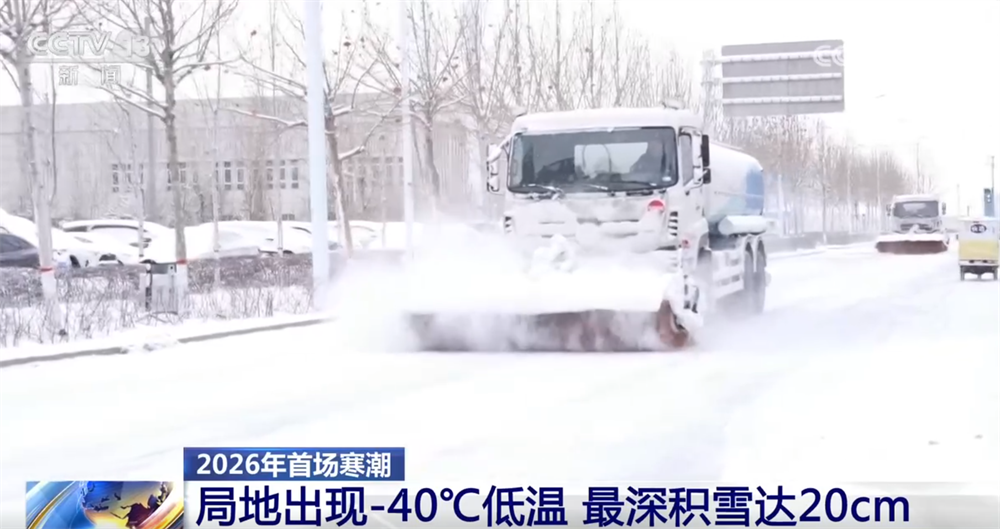
Group 1 - The recent cold wave in China has led to significant temperature drops across the country, with average daily temperatures falling by 6℃ to 10℃ in most areas, and some regions experiencing drops of 12℃ to 20℃ [2][5] - A total of over 7000 weather warnings related to road icing, strong winds, and heavy snow were issued during the cold wave, indicating the extensive impact of this weather event [1][2] - The cold wave has resulted in record low temperatures in 20 major cities, with the most severe drop recorded in Gansu, where temperatures fell to -41.3℃ in certain observation stations [5][2] Group 2 - The cold wave has also brought widespread rain and snow, with significant regional differences in precipitation types; areas like Xinjiang and Northeast China experienced mainly snowfall, while regions like Anhui and Jiangsu saw sleet [8] - The maximum snow depth recorded was 20 centimeters in Beijing, with several other locations also reporting significant snow accumulation [8] - The cold wave's impact on infrastructure is compounded by the combination of low temperatures and precipitation, leading to complex disaster scenarios affecting power, communication, and transportation sectors [15] Group 3 - Advances in meteorological observation and forecasting technology have improved the accuracy and efficiency of winter precipitation forecasts, addressing critical questions about road conditions and ice accumulation [17][21] - Beijing has upgraded its winter precipitation observation equipment to enhance monitoring capabilities, allowing for continuous observation of snow depth and ice accumulation [18] - The development of a comprehensive forecasting system that extends from precipitation elements to impact forecasts is underway, catering to specific needs in sectors like transportation and power [21][23]
湖南:念好“加密、滚动、精准”六字诀
Xin Lang Cai Jing· 2026-01-21 01:01
Group 1 - The article discusses the severe cold wave and its impact on Hunan province, highlighting the complex weather conditions including low temperatures, rain, and ice starting from January 19 [1] - Hunan's meteorological department implemented a comprehensive response strategy, emphasizing "intensification, rolling, and precision" in monitoring, forecasting, and emergency services [1] - A three-level emergency response was activated on January 19, with multiple cities also initiating their responses, alongside the issuance of orange and yellow weather warnings [1] Group 2 - The Changde meteorological bureau established a collaborative system focusing on sectors such as transportation, agriculture, and insurance, particularly enhancing services for electricity supply during the cold wave [2] - The agricultural meteorological disaster risk warnings specifically addressed risks like oilseed rape frost damage, and the meteorological department collaborated with insurance agencies to inform insured farmers about preventive measures [2]
未来几天局地大雪
Xin Lang Cai Jing· 2026-01-19 20:12
Core Viewpoint - A significant cold wave is impacting Hunan Province, with forecasts indicating severe weather conditions including freezing rain, sleet, and snow from January 19 to 22, leading to high disaster risk across various sectors [1] Weather Impact - The cold wave is expected to bring strong winds with gusts reaching 7 to 9 levels in certain areas, and temperatures dropping to between -4 to 0 degrees Celsius [1] - The weather event will affect transportation, power communication, energy supply, urban operations, agricultural production, and public health, indicating a broad and severe impact [1] Emergency Response - Hunan Province's emergency committee has activated a level four emergency response for low-temperature rain and snow disasters starting from January 19 at 16:00 [1] - The Hunan Meteorological Bureau initiated a level three emergency response for low-temperature rain and snow at 7:00 on January 19 [1] - Changsha Meteorological Bureau also activated a level three emergency response for meteorological disasters related to low-temperature rain and snow at 10:00 on January 19 [1]
4省启动低温雨雪冰冻灾害应急响应
Xin Lang Cai Jing· 2026-01-18 19:30
Core Viewpoint - The National Disaster Reduction and Relief Committee has initiated a Level 4 emergency response for low-temperature rain, snow, and ice disasters in four provinces: Anhui, Henan, Hunan, and Guizhou, due to an expected widespread weather event from January 18 to 21 [1] Group 1: Emergency Response - The emergency response is triggered by a significant weather event affecting the central and eastern regions of China, with a large range of rain and snow expected [1] - The response aims to ensure safety, maintain transportation, ensure power supply, safeguard livelihoods, and maintain stability [1] - The committee emphasizes the need for improved coordination among disaster prevention and relief agencies, focusing on key sectors such as transportation, electricity, communication, and public welfare [1] Group 2: Preparedness Measures - There is a call for strengthening rescue teams, materials, and equipment deployment in preparation for the adverse weather conditions [1] - Timely actions for snow and ice removal, as well as emergency repairs, are highlighted as critical to managing sudden disaster situations [1] - The goal is to prevent casualties and significant property losses during this weather event [1]
湘北部分地区中到大雪,常德局地暴雪
Xin Lang Cai Jing· 2026-01-18 19:30
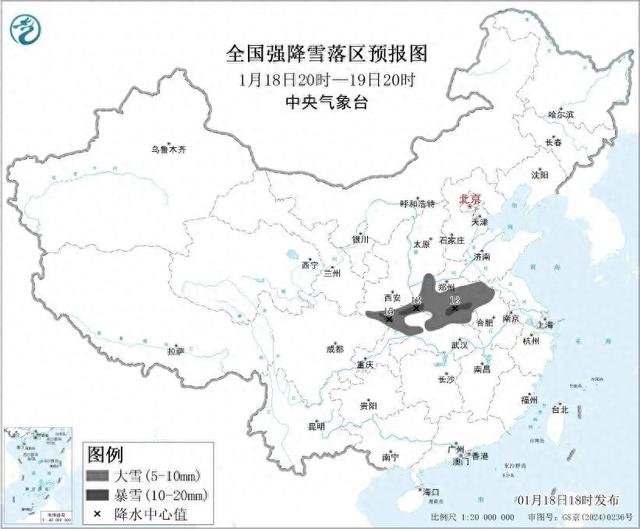
Core Viewpoint - A significant cold wave and snowstorm are expected to impact central and eastern China from January 18 to 21, with temperatures dropping sharply and widespread rain and snow forecasted [4][9]. Weather Forecast - The Central Meteorological Administration predicts that the cold wave will bring strong temperature drops, with some cities experiencing declines of over 20°C [4]. - The snowstorm is expected to be extensive, with heavy snowfall concentrated in regions such as southeastern Shaanxi, southern Shanxi, and parts of Henan and Hubei from January 19 to 20 [5][6]. - The maximum ice thickness during this weather event could reach 5 to 8 millimeters, with some mountainous areas exceeding 10 millimeters [7]. Emergency Response - The National Disaster Reduction Committee has initiated a Level 4 emergency response for low-temperature rain and snow disasters in Anhui, Henan, Hunan, and Guizhou [9][10]. - Authorities are focusing on ensuring safety, maintaining transportation, and providing power supply, while also preparing for emergency rescue operations [10]. Health Precautions - Health experts warn that low temperatures can exacerbate respiratory and cardiovascular diseases, particularly among vulnerable populations [11]. - Recommendations include keeping warm, avoiding prolonged exposure to cold, and ensuring safe outdoor practices to prevent falls and injuries [11].

中央气象台暴雪、寒潮、冰冻三预警齐发,安徽、河南、湖南、贵州等四省启动国家低温雨雪冰冻灾害四级应急响应
Xin Lang Cai Jing· 2026-01-18 16:22
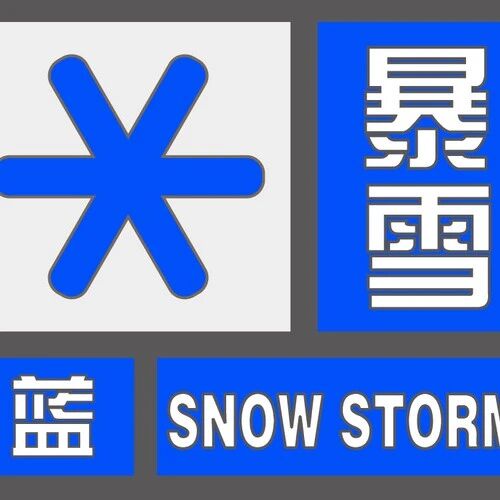
Core Viewpoint - The Central Meteorological Administration has issued multiple weather warnings, including a blue snow warning, yellow cold wave warning, and yellow freezing rain warning, indicating significant weather events affecting various regions in China from January 18 to January 21 [1][4][10]. Group 1: Weather Warnings - A blue snow warning predicts heavy snow in parts of southern Shaanxi, central and southern Henan, northern Anhui, and northwestern Hubei, with snowfall accumulation of 4 to 8 centimeters, and localized areas exceeding 10 centimeters [1]. - A yellow cold wave warning forecasts a temperature drop of 6°C to 12°C across central and eastern China, with some areas experiencing drops of 12°C to 14°C, and localized drops exceeding 16°C [4]. - A yellow freezing rain warning indicates the possibility of freezing rain or ice pellets in southeastern Henan, western Anhui, and parts of Hubei, Shaanxi, and northern Chongqing, with freezing rain amounts ranging from 1 to 3 millimeters, and localized areas reaching 8 millimeters [10]. Group 2: Defense Guidelines - Government and relevant departments are advised to prepare for snow disasters and freezing damage, including maintenance of transportation, electricity, and communication infrastructure [3][9]. - Individuals are urged to dress warmly, take care of vulnerable populations, and implement protective measures for livestock, crops, and other agricultural products [9][12]. - Emergency response measures have been initiated in response to the severe weather, focusing on ensuring safety, maintaining transportation, and providing essential services [13].
三预警齐发!多地发布通知:停课
Xin Lang Cai Jing· 2026-01-18 16:22
Summary of Key Points Core Viewpoint - A significant cold wave is affecting central and eastern China, leading to a drop in temperatures and widespread rain and snow, prompting emergency responses and school closures in several provinces [1][5][7]. Weather Warnings - The Central Meteorological Observatory issued a yellow cold wave warning, predicting temperature drops of 6-12°C across central and eastern regions from January 18 to 21, with some areas experiencing drops of 12-16°C or more [1][3]. - A blue snowstorm warning was also issued, forecasting heavy snowfall in parts of Shaanxi, Henan, Anhui, and Hubei, with snow accumulation expected to reach 4-10 cm in some areas [2][3]. Emergency Responses - The National Disaster Reduction Committee activated a Level 4 emergency response for low-temperature rain and snow disasters in Anhui, Henan, Hunan, and Guizhou due to the high risk of cold weather impacts [5][6]. - Multiple provinces, including Anhui and Henan, have announced school closures in response to the severe weather conditions [5][7][8]. School Closures - In Anhui, schools at various levels are closed on January 19 due to anticipated snowfall, with local authorities given discretion to adjust schedules based on real-time weather conditions [5][7]. - In Henan, cities such as Zhoukou, Zhumadian, and Luohe have also issued full-day school closures on January 19, with adjustments for high schools based on weather [7][8].
暴雪!冰冻!预警齐发!多地紧急通知:停课
Xin Lang Cai Jing· 2026-01-18 15:19
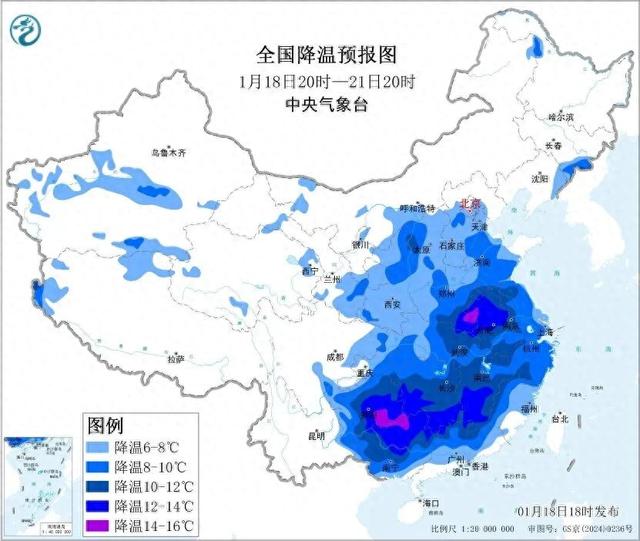
Core Viewpoint - A significant cold wave is impacting various regions in China, leading to a drop in temperatures and the issuance of multiple weather warnings, including snow and ice alerts, prompting school closures in affected areas [1][2][3][5][7]. Weather Warnings - The Central Meteorological Administration issued a yellow cold wave warning, predicting a temperature drop of 6-12°C across central and eastern China from January 18 to 21, with some areas experiencing drops of 12-14°C and localized drops exceeding 16°C [2]. - A blue snow warning was also issued, forecasting heavy snowfall in parts of Shaanxi, Henan, Anhui, and Hubei, with snow accumulation expected to reach 4-8 cm, and localized areas exceeding 10 cm [3]. - An ice warning was issued, indicating freezing rain in regions including southern Henan, western Hubei, and parts of Guizhou and Chongqing, with expected ice accumulation of 1-3 mm, and up to 8 mm in mountainous areas [5]. Emergency Responses - The National Disaster Reduction and Relief Committee initiated a level four emergency response for low-temperature rain and snow disasters in Anhui, Henan, Hunan, and Guizhou due to the extensive impact and high risk of disasters [7]. - Multiple provinces, including Anhui and Henan, have announced school closures in response to the severe weather conditions, with specific measures taken in various cities to ensure student safety [7][8][9].
暴雪!冰冻!预警齐发!多地紧急通知:停课
中国基金报· 2026-01-18 14:48
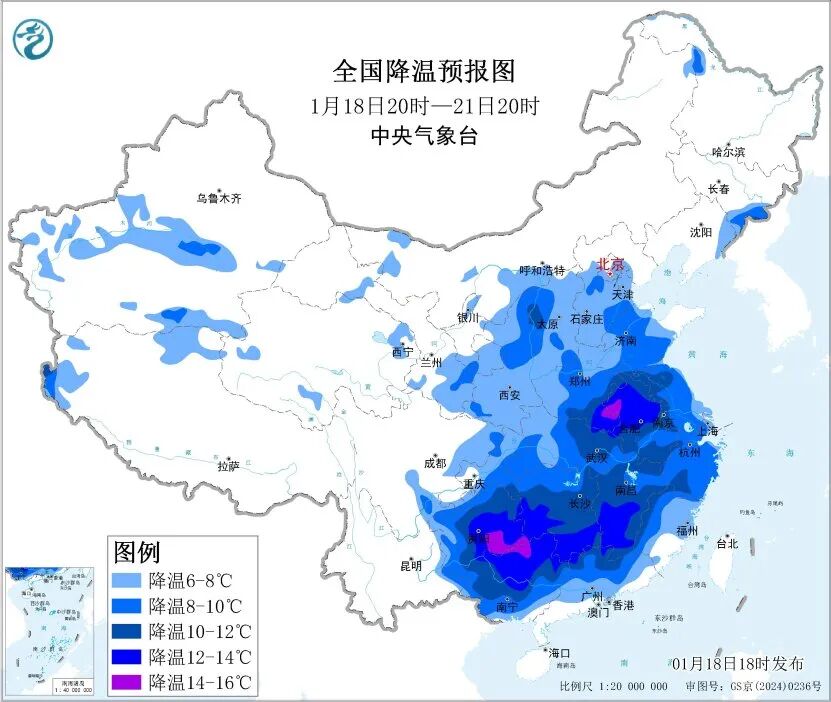
Core Viewpoint - A significant cold wave is impacting various regions in China, leading to a drop in temperatures and the issuance of multiple weather warnings, including snow and ice alerts, prompting school closures in several provinces [1][2][3][5][7]. Weather Warnings - The Central Meteorological Observatory issued a yellow cold wave warning, forecasting a temperature drop of 6-12°C across central and eastern China from January 18 to 21, with some areas experiencing drops of 12-14°C and localized drops exceeding 16°C [2]. - A blue snow warning was also issued, predicting heavy snowfall in parts of Shaanxi, Henan, Anhui, and Hubei, with snow accumulation of 4-8 cm in some areas, and over 10 cm in localized regions [3]. - An ice warning was issued, indicating freezing rain in parts of Henan, Hubei, and other provinces, with expected ice accumulation of 1-3 mm, and up to 8 mm in mountainous areas [5]. Emergency Response - The National Disaster Reduction Committee initiated a level four emergency response for low-temperature rain and snow disasters in Anhui, Henan, Hunan, and Guizhou due to the extensive impact and high risk of ice-related disasters [7]. School Closures - Multiple provinces, including Anhui, Henan, and Jiangsu, have announced school closures due to the severe weather conditions. For instance, schools in Xu Zhou, Jiangsu, will be closed for two days from January 19 to 20 due to expected heavy snow and severe freezing [8][12][16]. - Specific cities like Zhoukou and Zhumadian in Henan have also issued full-day closures for all educational institutions on January 19, with adjustments for high schools based on real-time weather conditions [12][14][15].