固体废物鉴别标准

Search documents
2026年3月实施,《固体废物鉴别标准 通则》修订情况答疑
仪器信息网· 2025-12-22 09:07
摘要 :近日,生态环境部、市场监管总局发布《固体废物鉴别标准通则》(GB34330—2025),修订内容包括厘清"副产物与副产品""废与旧"关系,明确固体 废物转为产品条件,强化行业判断依据,确保标准实施。 特别提示 微信机制调整,点击顶部"仪器信息网" → 右上方"…" → 设为 ★ 星标,否则很可能无法看到我们的推送。 近日,生态环境部、市场监管总局联合发布了《固体废物鉴别标准 通则》(GB 34330—2025)(以下简称《通则》)。 针对《通则》修订有关情况,生态环境部固体废物与化学品司有关负责人回答了记者的提问。 问:本次修订 的主要背景 是什么? 答:我国于2017年首次发布《固体废物鉴别标准 通则》(GB 34330—2017),明确了固体废物判别规则,对保障固体废物鉴别的一致性 和公正性起到了重要作用。近年来,随着鉴别工作的开展,我们发现2017版《通则》已难以适应当前形势发展的要求,亟需开展修订。首先, 固体废物环境管理逐步规范,企业副产物的属性鉴别需求越来越大,但部分副产物的属性判定存在偏差,甚至存在以"副产品"名义非法转移固 体废物现象。其次,利用固体废物生产的产物的安全性问题逐步凸显, ...


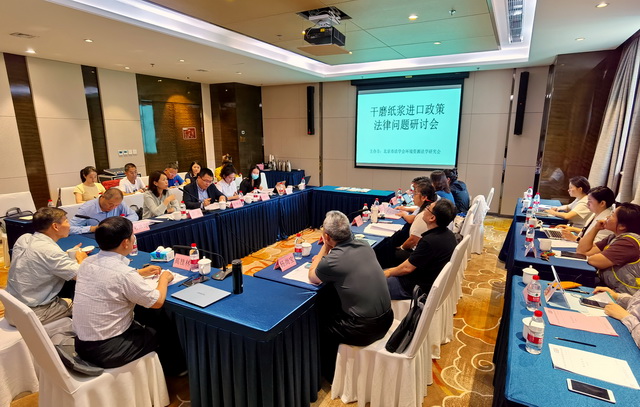
干磨纸浆进口存在多重隐患,专家建议完善标准、抬高门槛
Di Yi Cai Jing· 2025-09-16 06:55
Core Viewpoint - The import of "dry ground pulp" under the guise of recycled paper pulp is essentially a method of importing foreign solid waste, posing significant environmental and health risks to the domestic paper industry [2][5][6]. Group 1: Industry Background - Since January 1, 2021, China has completely banned the import of solid waste, disrupting the supply of imported waste paper for paper manufacturers [2]. - The production of legitimate waste paper pulp requires extensive processing, achieving a fiber content of over 91.5% with minimal impurities, while dry ground pulp skips most of these essential steps [2][3]. Group 2: Environmental and Health Risks - Contaminants such as plastic fragments, heavy metals, and microorganisms can enter the domestic production chain through dry ground pulp, leading to potential health hazards in products like food packaging and sanitary paper [3][5]. - The presence of these pollutants can cause secondary pollution in water treatment systems and may clog machinery in paper production, affecting product quality [3][6]. Group 3: Regulatory and Standardization Issues - The newly released national standard for recycled paper pulp lacks mandatory requirements for key quality indicators, unlike stricter foreign standards [5][10]. - Experts have called for the revision of national standards to include compulsory indicators for fiber integrity and impurity levels, as well as enhanced detection standards for contaminants [10][11]. Group 4: Recommendations for Improvement - Experts recommend strengthening customs supervision and implementing comprehensive inspection and testing to prevent contaminated materials from entering the domestic market [10][11]. - Suggestions include introducing advanced detection technologies and establishing a fiber traceability system to ensure the integrity of imported materials [10][11].