国家秘密安全

Search documents
碎碎未必真平安
Xin Lang Cai Jing· 2025-12-24 23:56
Core Viewpoint - The article emphasizes the importance of proper use and management of shredders to protect sensitive information, highlighting that even seemingly secure shredders can pose a risk of information leakage if not used correctly [1][4]. Group 1: Common Operational Vulnerabilities - Choosing shredder models based on convenience rather than security standards can lead to inadequate shredding results, increasing the risk of sensitive information being recovered [2]. - Batch processing of sensitive and non-sensitive documents together can create a significant risk if the mixed shreds are not handled according to destruction standards, potentially allowing malicious individuals to extract sensitive information [2]. - Lack of oversight in the shredding process can lead to security breaches, as some units neglect to monitor the shredding process or maintain proper records of destroyed documents, making it difficult to trace leaks [2]. Group 2: Recommendations for Secure Shredding - Selecting shredders that meet confidentiality standards and are equipped with features like automatic jam stop, capacity alerts, and residue detection is crucial for ensuring effective destruction of sensitive documents [6]. - Establishing a robust management and oversight system for shredders, including appointing responsible personnel and conducting regular training for staff on proper shredding practices, is essential to mitigate risks [6]. - Regular maintenance and checks of shredders are necessary to ensure they operate effectively and securely, including cleaning and professional servicing to prevent malfunctions that could lead to information leaks [6].

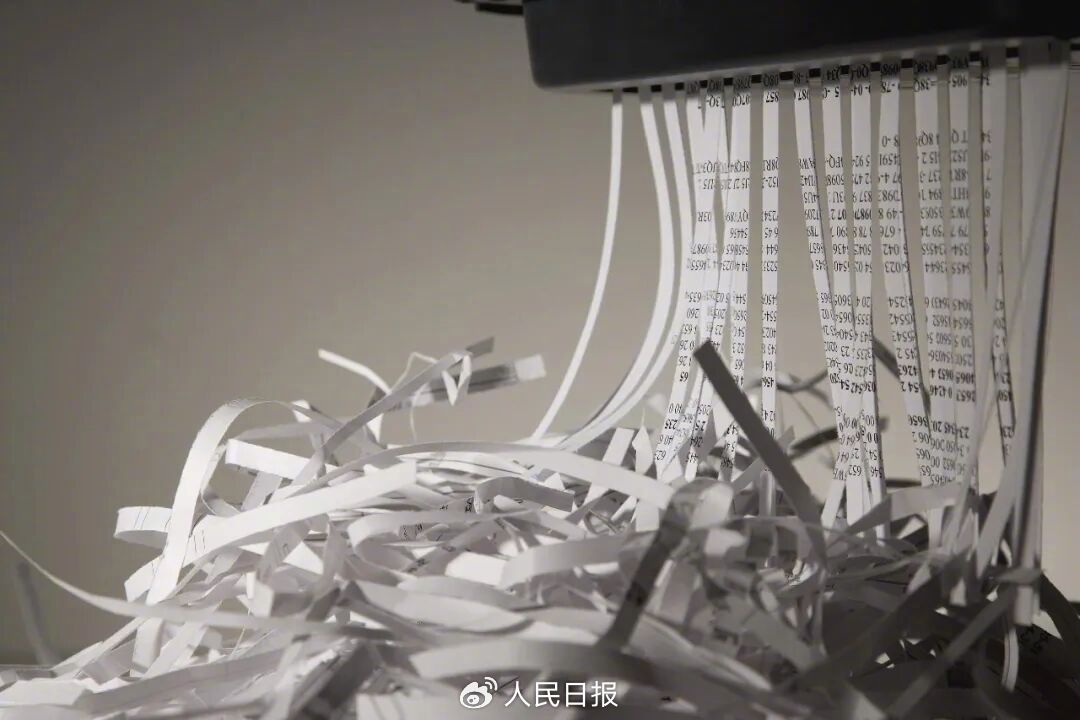
碎纸机可能“泄密”!这些漏洞要严防
Yang Shi Xin Wen· 2025-12-23 01:07
Core Viewpoint - The National Security Department emphasizes the importance of using shredders correctly to protect sensitive information, highlighting that seemingly reliable shredders can become sources of information leakage due to advanced recovery techniques that can restore about 70% of shredded content [1]. Group 1: Common Operational Vulnerabilities - Choosing shredders based on convenience rather than security standards can lead to inadequate shredding results, risking sensitive information leakage [3]. - Mixing confidential and non-confidential documents for shredding increases the risk of sensitive information being extracted if not properly handled afterward [3]. - Lack of oversight in the shredding process can create security vulnerabilities, as improper monitoring may lead to undetected malfunctions or unauthorized access to sensitive documents [3]. Group 2: Recommendations for Secure Shredding - Selecting shredders that meet confidentiality standards and have features like automatic stop for jams and monitoring capabilities is crucial for secure operations [6]. - Establishing a robust management and oversight system for shredding operations, including designated personnel for maintenance and training, is essential to mitigate risks [6]. - Regular maintenance and checks of shredders are necessary to ensure they function correctly and meet security requirements, including cleaning and professional servicing [6]. Group 3: National Security Agency Guidance - The National Security Agency stresses that the destruction of sensitive materials must adhere to national standards to ensure that no recoverable information remains [7]. - Maintaining a strong sense of responsibility and strict adherence to shredding protocols is vital for safeguarding national secrets [7].
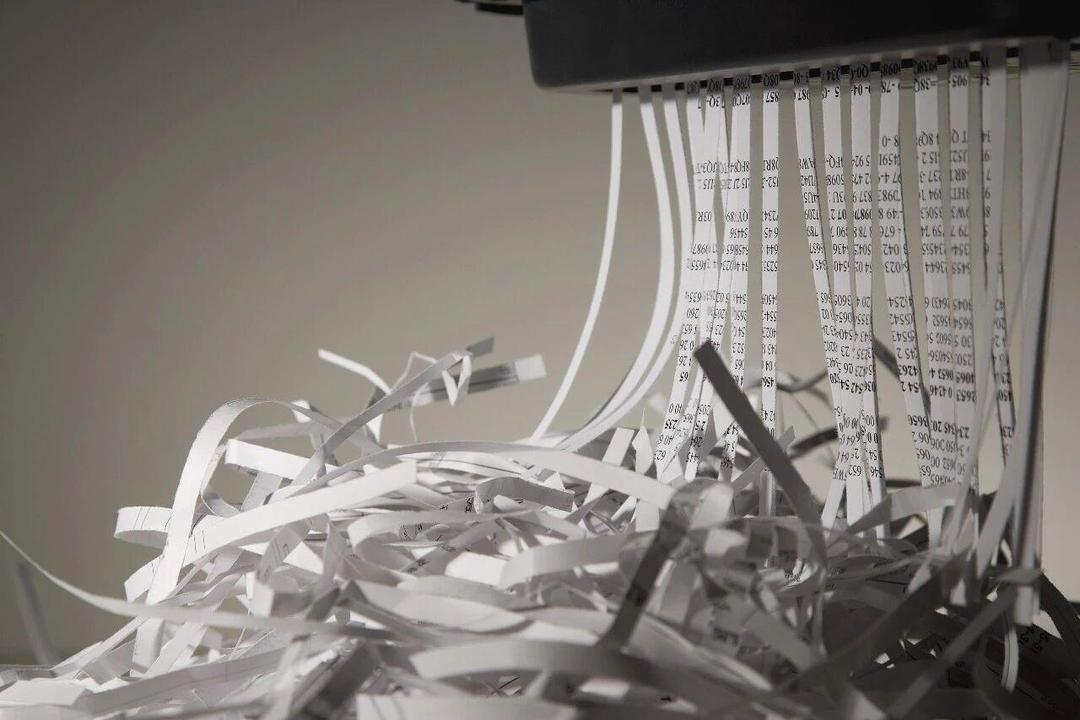
碎纸机可能“泄密” 这些漏洞要严防
Yang Shi Xin Wen Ke Hu Duan· 2025-12-23 00:15
Core Viewpoint - The National Security Department emphasizes the importance of using shredders correctly to protect sensitive information, highlighting that improper use can lead to security risks due to advancements in data recovery technology [1][7]. Group 1: Common Operational Vulnerabilities - Choosing shredders based on convenience rather than security standards can result in inadequate destruction of sensitive documents [3]. - Mixing confidential and non-confidential documents for shredding increases the risk of sensitive information being recovered if not properly handled [3]. - Lack of oversight in the shredding process can lead to security breaches, as improper handling or equipment failure may go unnoticed [3]. Group 2: Recommendations for Secure Shredding - Select shredders that meet confidentiality standards and are equipped with features like automatic shut-off and monitoring capabilities to ensure compliance [6]. - Establish a robust management system with designated personnel responsible for the maintenance and monitoring of shredders, along with regular training for staff on proper usage [6]. - Conduct regular maintenance and checks on shredders to ensure they are functioning correctly and securely, preventing unauthorized access to sensitive information [6]. Group 3: Importance of Compliance - Adhering to national standards for the destruction of sensitive materials is crucial to prevent information recovery, which is vital for national security [7]. - The responsibility for secure shredding practices lies with all personnel handling sensitive documents, reinforcing the need for diligence and compliance with established protocols [4][7].
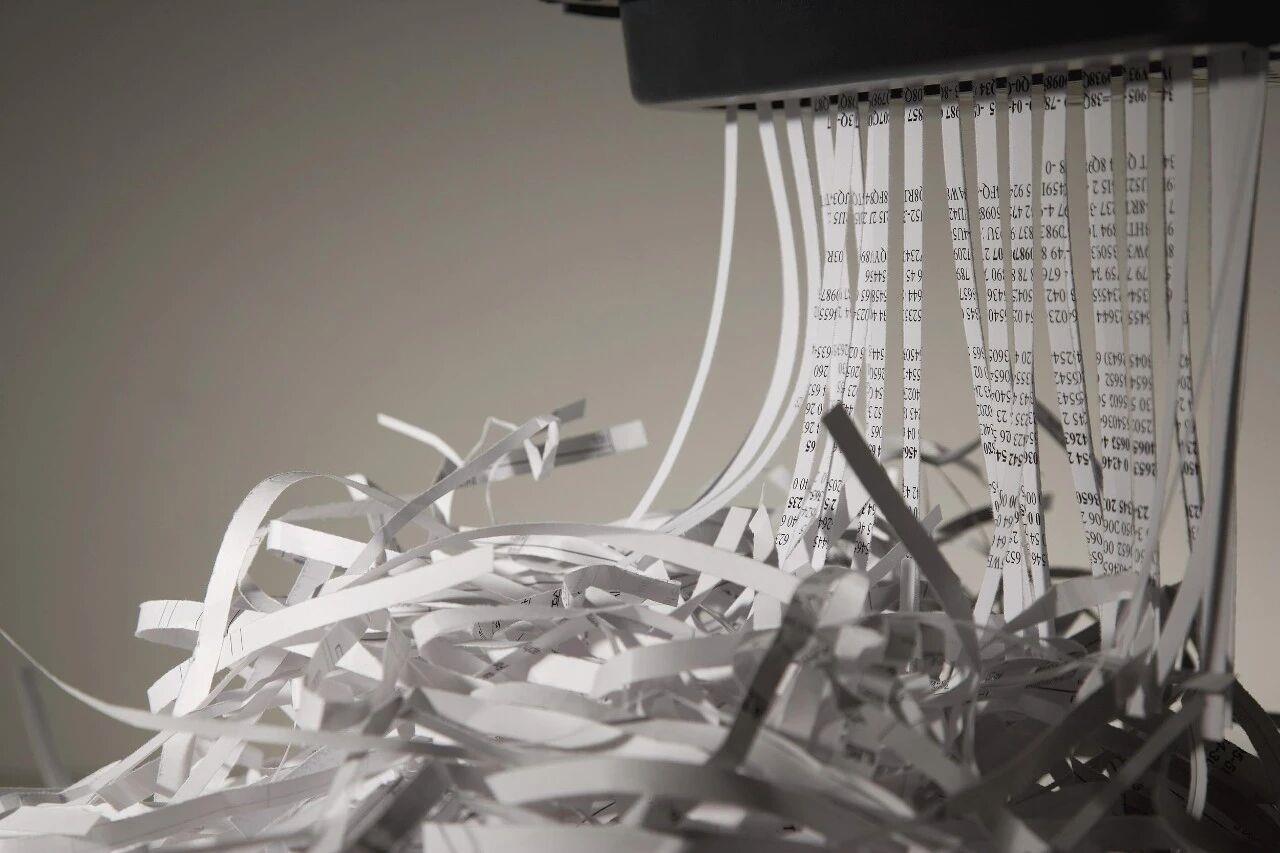
国家安全机关:碎纸机未必真平安,有人可将涉密信息提取还原
Xin Lang Cai Jing· 2025-12-22 23:27
Core Viewpoint - The article emphasizes the importance of using shredders correctly to protect sensitive information, highlighting that seemingly reliable shredders can become sources of information leakage due to evolving methods of data recovery [1][4]. Group 1: Common Operational Vulnerabilities - Choosing shredder models based on convenience rather than compliance with destruction standards can lead to inadequate shredding results, increasing the risk of sensitive information leakage [2]. - Batch processing of sensitive and non-sensitive documents together can create a significant risk if the mixed shreds are not handled according to destruction standards, allowing malicious individuals to potentially recover sensitive information [2]. - Lack of regulatory oversight in the shredding process can lead to security vulnerabilities, such as staff leaving the area during shredding or failing to maintain proper records of destroyed documents, making it difficult to trace leaks [2]. Group 2: Best Practices for Shredding - Selecting shredders according to confidentiality standards is crucial, ensuring that devices meet security requirements and are equipped with features like automatic stop for jams and monitoring capabilities [3]. - Establishing a robust management and oversight system is essential, including appointing responsible personnel for maintenance and training staff on proper shredding practices to enhance risk awareness [3]. - Regular maintenance and checks of shredders are necessary to ensure they operate effectively and meet confidentiality standards, including cleaning and professional servicing to prevent leaks [3]. Group 3: National Security Guidelines - The National Security Agency emphasizes that sensitive materials must be destroyed using equipment that meets national confidentiality standards, ensuring that no recoverable information remains [4]. - The responsibility for secure destruction of sensitive materials is significant, and adherence to proper shredding protocols is essential for national security [4].
国安机关提醒:看似可靠的碎纸机,也可能泄密
Xin Lang Cai Jing· 2025-12-22 23:27
Core Viewpoint - The article emphasizes the importance of using shredders correctly to protect sensitive information, highlighting that improper use can lead to security breaches due to advancements in data recovery technology [1][4]. Group 1: Common Operational Vulnerabilities - Choosing shredder models based solely on convenience can result in inadequate shredding effectiveness, failing to meet confidentiality standards [2]. - Batch processing of sensitive and non-sensitive documents together increases the risk of mixed shreds, which, if not properly disposed of, can lead to sensitive information being recovered [2]. - Lack of regulatory oversight in the shredding process can create leak risks, as some units neglect to monitor the entire shredding workflow, leading to potential mishandling of sensitive documents [2]. Group 2: Best Practices for Shredding - Selecting shredders according to confidentiality standards is crucial, ensuring that devices meet required specifications and functionalities, such as automatic jam detection and monitoring capabilities [3]. - Establishing a robust management and oversight system is essential, including appointing responsible personnel for maintenance and training staff on proper shredding practices [3]. - Regular maintenance and checks of shredders are necessary to ensure they operate effectively and securely, including cleaning and professional servicing to prevent leaks [3]. Group 3: National Security Guidelines - The National Security Agency advises that sensitive materials must be destroyed using equipment that meets national confidentiality standards, ensuring that no recoverable information remains [4]. - Emphasizing the responsibility associated with the destruction of sensitive materials, the article calls for vigilance and adherence to shredding protocols to safeguard national secrets [4].
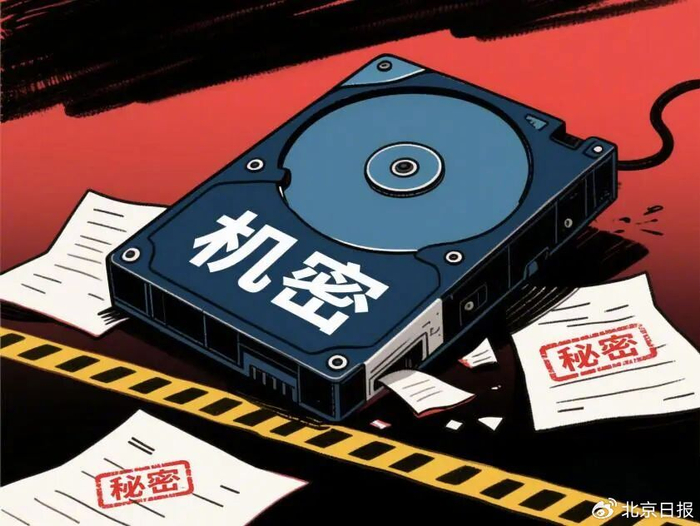
一块硬盘的“失守”
Xin Lang Cai Jing· 2025-10-23 00:12
Core Viewpoint - The rapid development of information technology has led to an increase in data leakage incidents involving storage devices, particularly classified hard drives, which pose significant risks to national security [1] Group 1: Incidents of Data Leakage - A unit's office director improperly donated a classified computer to a school, mistakenly believing that formatting the hard drive would ensure security [3] - An operations personnel from a classified information system removed a solid-state hard drive from a device and installed it in a personal computer, triggering a security alert [3] - A malfunctioning classified copier had its hard drive taken for repair without proper supervision, leading to the hard drive being sent abroad and classified data being compromised [3] Group 2: Security Management Measures - Organizations and individuals must prioritize the security management of classified hard drives and strictly adhere to confidentiality regulations to prevent data loss [5] - The "Law on Guarding State Secrets" mandates that organizations must enhance the management of classified information carriers and prohibits illegal acquisition, possession, or disposal of such carriers [5] - Classified hard drives should be managed under strict registration and usage protocols, including detailed logs of usage and personnel involved, and must not be connected to the internet or non-secure devices [5][6] Group 3: Maintenance and Repair Protocols - When using foreign-produced classified hard drives, prior security checks should be conducted to eliminate potential leakage risks [6] - Internal technical personnel should handle repairs of classified hard drives, and any external repairs must be supervised and conducted under strict security measures [6] Group 4: Reporting Mechanisms - Citizens are encouraged to report any suspicious activities or potential threats to national security through designated channels, including a national security hotline and online platforms [7]