
保密责任

Search documents
碎碎未必真平安
Xin Lang Cai Jing· 2025-12-24 23:56
Core Viewpoint - The article emphasizes the importance of proper use and management of shredders to protect sensitive information, highlighting that even seemingly secure shredders can pose a risk of information leakage if not used correctly [1][4]. Group 1: Common Operational Vulnerabilities - Choosing shredder models based on convenience rather than security standards can lead to inadequate shredding results, increasing the risk of sensitive information being recovered [2]. - Batch processing of sensitive and non-sensitive documents together can create a significant risk if the mixed shreds are not handled according to destruction standards, potentially allowing malicious individuals to extract sensitive information [2]. - Lack of oversight in the shredding process can lead to security breaches, as some units neglect to monitor the shredding process or maintain proper records of destroyed documents, making it difficult to trace leaks [2]. Group 2: Recommendations for Secure Shredding - Selecting shredders that meet confidentiality standards and are equipped with features like automatic jam stop, capacity alerts, and residue detection is crucial for ensuring effective destruction of sensitive documents [6]. - Establishing a robust management and oversight system for shredders, including appointing responsible personnel and conducting regular training for staff on proper shredding practices, is essential to mitigate risks [6]. - Regular maintenance and checks of shredders are necessary to ensure they operate effectively and securely, including cleaning and professional servicing to prevent malfunctions that could lead to information leaks [6].

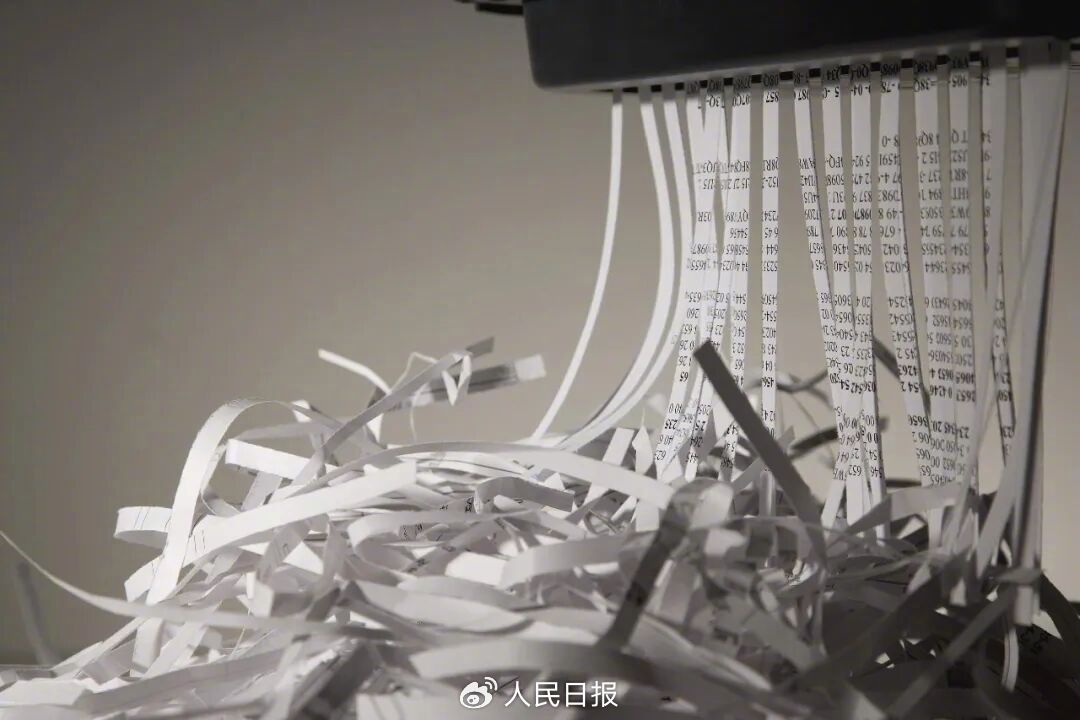
碎纸机可能“泄密”!这些漏洞要严防
Yang Shi Xin Wen· 2025-12-23 01:07
Core Viewpoint - The National Security Department emphasizes the importance of using shredders correctly to protect sensitive information, highlighting that seemingly reliable shredders can become sources of information leakage due to advanced recovery techniques that can restore about 70% of shredded content [1]. Group 1: Common Operational Vulnerabilities - Choosing shredders based on convenience rather than security standards can lead to inadequate shredding results, risking sensitive information leakage [3]. - Mixing confidential and non-confidential documents for shredding increases the risk of sensitive information being extracted if not properly handled afterward [3]. - Lack of oversight in the shredding process can create security vulnerabilities, as improper monitoring may lead to undetected malfunctions or unauthorized access to sensitive documents [3]. Group 2: Recommendations for Secure Shredding - Selecting shredders that meet confidentiality standards and have features like automatic stop for jams and monitoring capabilities is crucial for secure operations [6]. - Establishing a robust management and oversight system for shredding operations, including designated personnel for maintenance and training, is essential to mitigate risks [6]. - Regular maintenance and checks of shredders are necessary to ensure they function correctly and meet security requirements, including cleaning and professional servicing [6]. Group 3: National Security Agency Guidance - The National Security Agency stresses that the destruction of sensitive materials must adhere to national standards to ensure that no recoverable information remains [7]. - Maintaining a strong sense of responsibility and strict adherence to shredding protocols is vital for safeguarding national secrets [7].
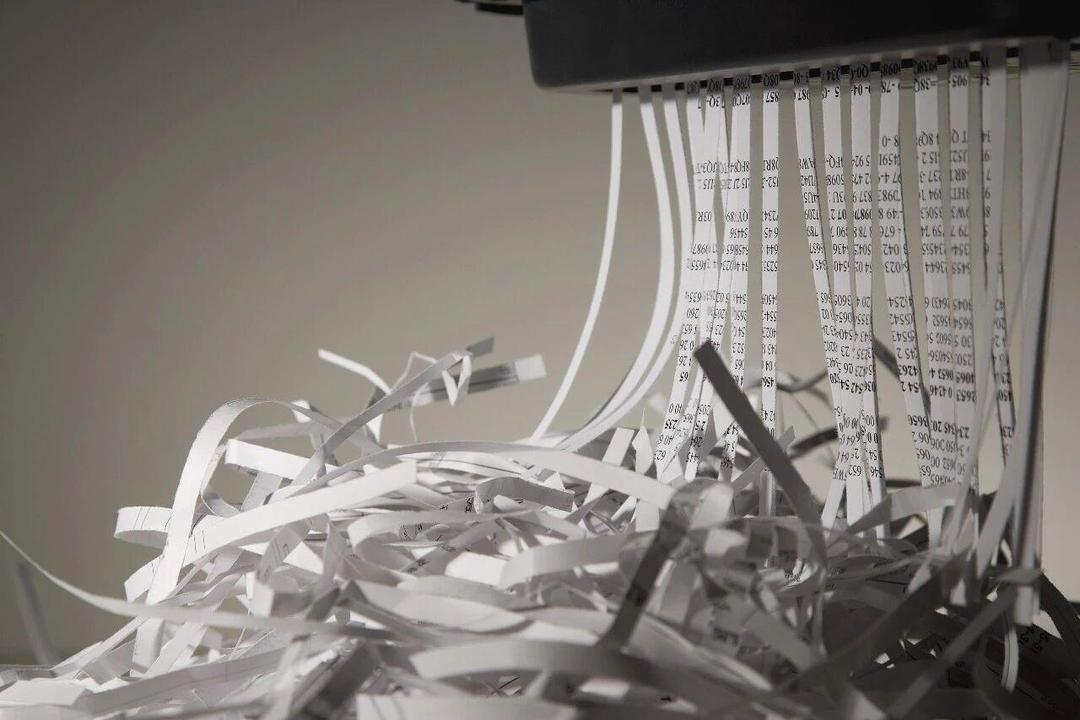
国安机关提醒:看似可靠的碎纸机,也可能泄密
Xin Lang Cai Jing· 2025-12-22 23:27
Core Viewpoint - The article emphasizes the importance of using shredders correctly to protect sensitive information, highlighting that improper use can lead to security breaches due to advancements in data recovery technology [1][4]. Group 1: Common Operational Vulnerabilities - Choosing shredder models based solely on convenience can result in inadequate shredding effectiveness, failing to meet confidentiality standards [2]. - Batch processing of sensitive and non-sensitive documents together increases the risk of mixed shreds, which, if not properly disposed of, can lead to sensitive information being recovered [2]. - Lack of regulatory oversight in the shredding process can create leak risks, as some units neglect to monitor the entire shredding workflow, leading to potential mishandling of sensitive documents [2]. Group 2: Best Practices for Shredding - Selecting shredders according to confidentiality standards is crucial, ensuring that devices meet required specifications and functionalities, such as automatic jam detection and monitoring capabilities [3]. - Establishing a robust management and oversight system is essential, including appointing responsible personnel for maintenance and training staff on proper shredding practices [3]. - Regular maintenance and checks of shredders are necessary to ensure they operate effectively and securely, including cleaning and professional servicing to prevent leaks [3]. Group 3: National Security Guidelines - The National Security Agency advises that sensitive materials must be destroyed using equipment that meets national confidentiality standards, ensuring that no recoverable information remains [4]. - Emphasizing the responsibility associated with the destruction of sensitive materials, the article calls for vigilance and adherence to shredding protocols to safeguard national secrets [4].
退休人员为给孩子办留学签证主动给间谍送绝密 国安部门最新披露→
Yang Shi Wang· 2025-11-09 01:23
Group 1 - The core viewpoint emphasizes the importance of confidentiality for retired personnel from sensitive units, highlighting that the responsibility does not diminish after retirement [1][3][4] - There have been incidents of retired personnel mishandling classified materials, leading to legal consequences, which serves as a warning about the risks of complacency [2][3] - Retired personnel must adhere to strict protocols regarding the handling and storage of classified documents, including the requirement to return or destroy all sensitive materials before retirement [3][4] Group 2 - The article stresses that retired personnel should maintain a heightened awareness of national security and continue to fulfill their confidentiality obligations [4] - It is crucial for retired individuals to avoid discussing their previous work details and to refrain from sharing any information related to their former units on social media [3] - The need for strict compliance with legal regulations regarding the handling of classified materials is emphasized, including the prohibition of taking sensitive documents outside of designated areas without proper approval [3]