国防工业合作

Search documents
80亿美元潜艇大单“难产”,究竟是谁“损失”?
Xin Lang Cai Jing· 2026-01-18 11:15
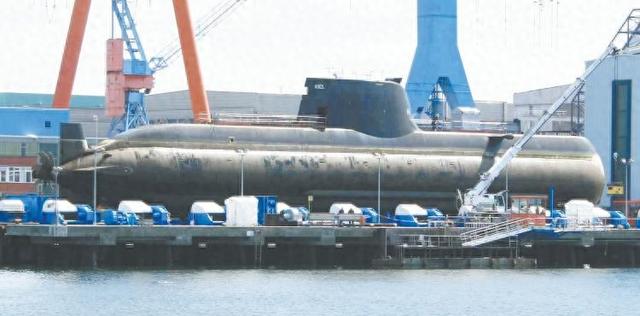
Core Viewpoint - The visit of German Chancellor Merz to India aimed to strengthen bilateral defense industrial cooperation, but a significant submarine deal worth approximately $8 billion was not finalized during the visit [1][7]. Group 1: Submarine Cooperation - The anticipated agreement involved the construction of six new generation Type 214 conventional submarines, which would include construction, technology transfer, and long-term maintenance, with a total estimated value of $8 billion [2][3]. - The Type 214 submarine is recognized for its advanced technology, including air-independent propulsion (AIP) and hydrogen fuel cells, positioning it among the leading conventional submarines globally [4]. - India's existing conventional submarine fleet is aging, with over half of its submarines exceeding 30 years in service, highlighting the need for modernization [7]. Group 2: Challenges in Agreement Finalization - The failure to finalize the submarine agreement is attributed to unresolved key details in negotiations, particularly regarding local construction and comprehensive technology transfer, which are new challenges for India and Germany [10]. - Historical context indicates that India's large defense procurement projects often experience delays and complications, which may have contributed to the current situation [10]. - The ongoing delay in India's submarine procurement could allow Pakistan, a primary naval competitor, to gain a technological advantage in underwater capabilities [10].