国际货币体系内在缺陷

Search documents
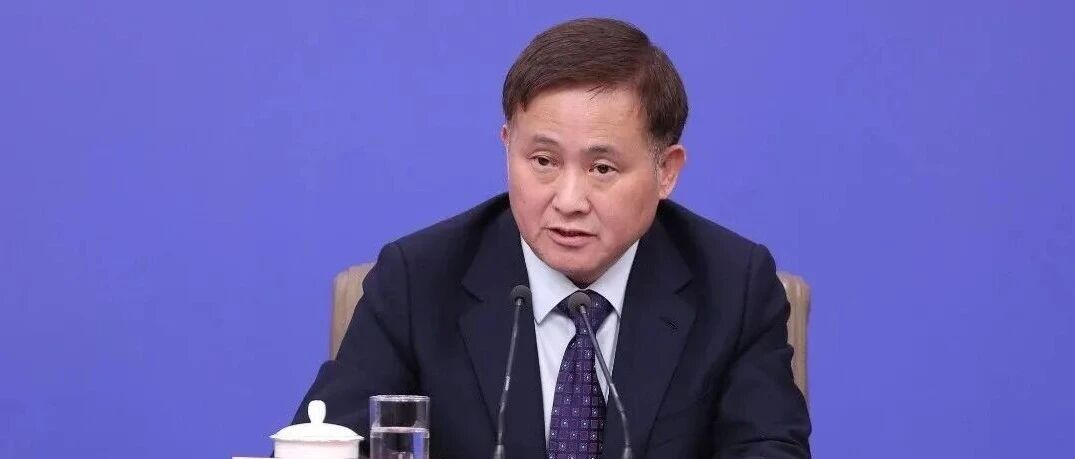
潘功胜多维视角分析全球经济失衡,直指国际货币体系内在缺陷
第一财经· 2026-03-22 14:16
Core Viewpoint - The speech by the Governor of the People's Bank of China, Pan Gongsheng, emphasizes China's role and contributions in the global economic rebalancing process, highlighting the need for stable and predictable cooperation in the face of trade fragmentation and protectionism [3][4]. Group 1: China's Industrial Competitiveness - China's industrial international competitiveness has significantly improved due to over 40 years of reform and opening up, driven by four key factors: a vast market, a complete industrial and supply chain system, a rich and skilled labor force, and continuous investment in R&D leading to technological innovation [6]. - The contribution of consumption to economic growth has increased from 37% in 2010 to an expected 52% by 2025, while the current account surplus as a percentage of GDP has decreased from around 10% in 2007 to an average of below 2% over the past decade [5][6]. Group 2: Global Economic Imbalance - Global economic imbalance is a prominent topic, with discussions focusing on both goods and services trade, as well as current and financial accounts. China is the largest goods trade surplus country but also the largest services trade deficit country [8]. - The analysis of global economic imbalance should consider both static and dynamic perspectives, where supply-demand balance is relative and influenced by various factors over time. Market forces will eventually adjust to achieve dynamic equilibrium [8][9]. Group 3: International Monetary System - The international monetary system's inherent flaws contribute to the persistence of trade surpluses and deficits among countries. Major reserve currency issuers can maintain low financing costs and run significant current account deficits, which can lead to an overvaluation of their currency and weaken their manufacturing competitiveness [10].