中国产业国际竞争力

Search documents
潘功胜多维视角分析全球经济失衡,直指国际货币体系内在缺陷
第一财经· 2026-03-22 14:16
Core Viewpoint - The speech by the Governor of the People's Bank of China, Pan Gongsheng, emphasizes China's role and contributions in the global economic rebalancing process, highlighting the need for stable and predictable cooperation in the face of trade fragmentation and protectionism [3][4]. Group 1: China's Industrial Competitiveness - China's industrial international competitiveness has significantly improved due to over 40 years of reform and opening up, driven by four key factors: a vast market, a complete industrial and supply chain system, a rich and skilled labor force, and continuous investment in R&D leading to technological innovation [6]. - The contribution of consumption to economic growth has increased from 37% in 2010 to an expected 52% by 2025, while the current account surplus as a percentage of GDP has decreased from around 10% in 2007 to an average of below 2% over the past decade [5][6]. Group 2: Global Economic Imbalance - Global economic imbalance is a prominent topic, with discussions focusing on both goods and services trade, as well as current and financial accounts. China is the largest goods trade surplus country but also the largest services trade deficit country [8]. - The analysis of global economic imbalance should consider both static and dynamic perspectives, where supply-demand balance is relative and influenced by various factors over time. Market forces will eventually adjust to achieve dynamic equilibrium [8][9]. Group 3: International Monetary System - The international monetary system's inherent flaws contribute to the persistence of trade surpluses and deficits among countries. Major reserve currency issuers can maintain low financing costs and run significant current account deficits, which can lead to an overvaluation of their currency and weaken their manufacturing competitiveness [10].

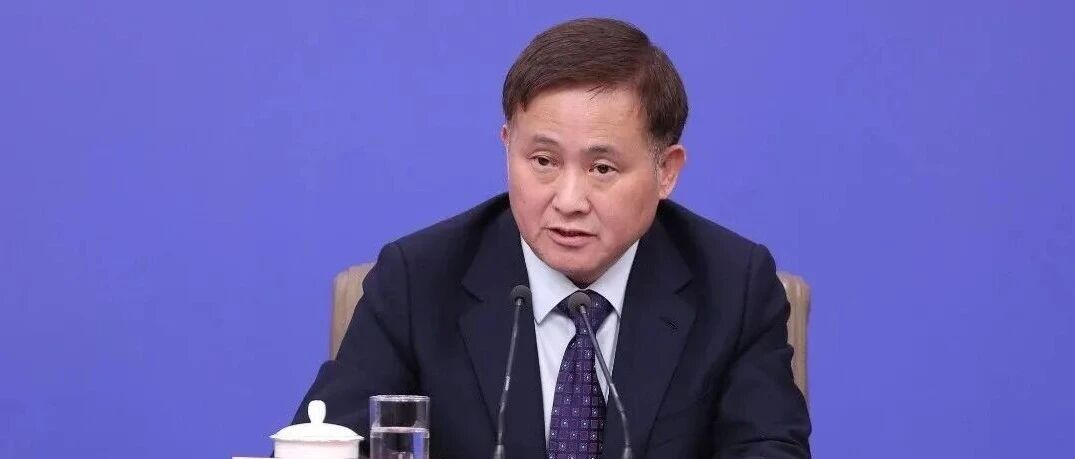
潘功胜:中国高质量发展与全球经济再平衡|国际
清华金融评论· 2026-03-22 09:10
Core Viewpoint - China aims to continue playing a crucial role as a main engine of global economic growth amidst rising global uncertainties, promoting a more open, inclusive, and balanced direction for the global economy [1][15]. Group 1: Global Economic Rebalancing and China's Contribution - The discussion on global economic imbalances and rebalancing has intensified, becoming a key topic at the G20 this year. China has actively participated in three significant dynamic balancing processes since the beginning of this century [3]. - From 2001 to 2007, China's entry into the WTO allowed it to integrate into the global division of labor, effectively expanding global supply and alleviating inflationary pressures, thus promoting global economic growth [3]. - From 2008 to 2017, in the aftermath of the global financial crisis, China played a vital role in boosting global demand and preventing deflation, contributing approximately 30% to global growth [3]. - Since the pandemic, China's stable supply chain has been crucial in maintaining global price stability and economic balance [3]. - China's economic structure has also undergone significant adjustments, with the contribution of consumption to economic growth rising from 37% in 2010 to an expected 52% by 2025 [3]. Group 2: Sources of China's Industrial Competitiveness - China's industrial competitiveness is primarily attributed to over 40 years of reform and opening up, learning from international partners, and benefiting from four key factors: a vast market, a complete industrial and supply chain system, a skilled labor force, and sustained R&D investment [4][5]. - China has over 72 million high-skilled workers and leads the world in the total number of R&D personnel, with R&D expenditure growing at an average of over 10% annually over the past five years [5]. - The government has taken measures to regulate unhealthy competition and promote fair competition, leading to improvements in corporate operating conditions, as evidenced by the narrowing of the Producer Price Index (PPI) decline from -3.6% in July last year to -0.9% in February this year [5]. Group 3: Analysis of Global Economic Imbalances - Understanding global economic imbalances requires examining both goods and services trade, as well as current and financial accounts. China is the largest goods trade surplus country but also the largest services trade deficit country [6]. - China's accumulated current account surplus supports global liquidity through investments, contributing to global economic development and financial stability [6]. - The analysis of supply-demand balance should consider both static and dynamic perspectives, as various factors can disrupt equilibrium, such as geopolitical conflicts affecting oil supply [6][7]. Group 4: China's Economic Growth Model Transformation - The recent government work report and the 14th Five-Year Plan emphasize the importance of setting reasonable economic growth targets, focusing on quality and sustainability rather than just speed [10]. - The plan aims to transform the economic growth model by enhancing domestic demand, improving income distribution, and increasing investment in education, healthcare, and social security [10]. - China is committed to promoting technological innovation and productivity growth, aligning with global technological trends and high-quality development goals [11]. - The country is also focused on accelerating green transformation and sustainable development, aiming for peak carbon emissions by 2030 and carbon neutrality by 2060 [11]. Group 5: Financial Support for Economic Structure Transformation - The People's Bank of China will maintain a supportive monetary policy stance to create a favorable financial environment for stable growth and high-quality development [13]. - The current social financing conditions are loose, with a balanced approach to supporting real economic growth while ensuring the health of the financial system [13]. - The Chinese yuan has appreciated against major currencies this year, reflecting the central bank's commitment to maintaining a stable exchange rate without seeking competitive devaluation [13][14].

信息量很大!潘功胜最新发言!
券商中国· 2026-03-22 08:18
Core Viewpoint - The People's Bank of China will continue to implement a moderately loose monetary policy to support economic growth and structural transformation while maintaining financial stability [1][12]. Group 1: Sources of China's Industrial International Competitiveness - China's industrial international competitiveness has significantly improved due to over 40 years of reform and opening up, learning from international partners, and leveraging a large market, complete industrial and supply chains, and a skilled labor force [3][4]. - The large-scale market allows for easy industrialization and commercialization of technological innovations, leading to competitive advantages [3]. - The government is taking measures to regulate "involution" competition among enterprises and promote fair competition [4]. Group 2: Analysis of Global Economic Imbalances - The analysis of global economic imbalances should consider both goods and services trade, as well as current and financial accounts [5][6]. - China, as the largest goods trade surplus country, also faces a significant services trade deficit, which influences global liquidity and economic stability [6]. - A dynamic perspective is essential for understanding supply-demand balance, as various factors can disrupt equilibrium [7]. - Non-economic factors, such as trade wars and security concerns, also significantly impact global economic balance [8]. Group 3: China's Economic Growth and Structural Transformation - China aims to transform its economic growth model, focusing on quality and sustainability, with a GDP growth target of 4.5% to 5% for the current year [10]. - The "14th Five-Year Plan" emphasizes high-quality development and domestic demand, with policies to boost consumption and investment in key sectors [10][11]. - The People's Bank of China will enhance financial support for economic structural transformation, ensuring a stable monetary environment [12]. Group 4: Currency and Financial Market Stability - China maintains a managed floating exchange rate system and does not intend to devalue its currency for competitive advantages [13]. - The People's Bank of China emphasizes the importance of a stable and predictable financial environment, promoting the internationalization of the RMB and enhancing cross-border financial cooperation [13].
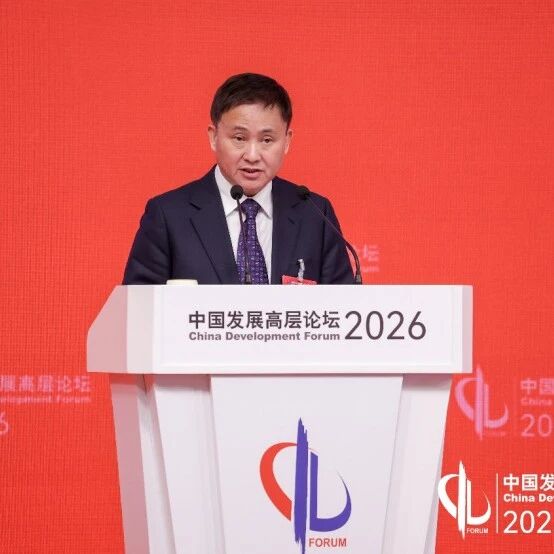
央行行长最新发声,信息量大
21世纪经济报道· 2026-03-22 07:28
Group 1: Global Economic Rebalancing and China's Contribution - The global economy is experiencing significant rebalancing due to geopolitical and trade conflicts, with China playing a crucial role in this process [2] - Since joining the WTO in 2001, China has contributed to global economic growth by expanding supply and enhancing production efficiency, alleviating inflationary pressures [2] - China's contribution to global growth has remained stable at around 30%, acting as a primary engine for world economic growth [2] - The stability of China's supply chain has been vital in maintaining global price stability and economic balance post-pandemic [2] Group 2: China's Economic Structure and Competitiveness - China's economic structure has undergone significant adjustments, with consumption's contribution to GDP rising from 37% in 2010 to 52% by 2025 [3] - The country has a large pool of skilled labor, with over 72 million high-skilled workers and a leading position in R&D personnel globally [4] - Continuous R&D investment has led to a growth rate of over 10% annually in R&D spending, positioning China as the second-largest R&D investor globally by 2025 [4] Group 3: Economic Growth Model Transformation - The government has set a GDP growth target of 4.5%-5% for the current year, emphasizing the importance of quality and sustainability over mere growth [8] - The focus is on transforming the economic growth model towards high-quality development, with an emphasis on domestic demand and consumption [8] - Policies will be implemented to enhance consumer spending, improve income distribution, and invest in sectors like education and healthcare [8] Group 4: Financial Support for Economic Transition - The People's Bank of China (PBOC) will maintain a supportive monetary policy stance to foster stable economic growth and financial market stability [10] - The PBOC aims to balance short-term and long-term financial health while ensuring liquidity remains ample through various monetary tools [10] - The Chinese yuan has appreciated against major currencies, reflecting a stable exchange rate policy aimed at avoiding competitive devaluation [11] Group 5: Global Financial Governance and Cooperation - China is committed to participating in global financial governance reforms and enhancing international macroeconomic policy coordination [12] - The country aims to strengthen the global financial safety net and maintain economic and financial stability through collaborative efforts [12] - China's financial markets are open to foreign investors, with significant growth in offshore yuan-denominated bonds and a welcoming stance towards international investment [11]
中国将加快成为全球需求核心市场!潘功胜最新发言!
证券时报· 2026-03-22 07:19
Core Viewpoint - The article discusses the insights of Pan Gongsheng, Governor of the People's Bank of China, on China's international industrial competitiveness, global economic imbalances, and the need for increased financial support for China's economic structural transformation [1][2][12]. Group 1: China's International Industrial Competitiveness - China's industrial competitiveness is significantly attributed to over 40 years of reform and opening up, learning from international partners, and leveraging a large market, complete industrial and supply chains, and a skilled workforce [4]. - The super-large market allows for easy industrialization and commercialization of technological innovations, leading to competitive advantages [4]. - The Chinese government promotes fair competition and has taken measures to regulate local government investment attraction behaviors, prohibiting unreasonable preferential policies [4]. Group 2: Global Economic Imbalances - Analyzing global economic imbalances requires looking at both goods and services trade, as well as current and financial accounts [7]. - China, as the largest goods trade surplus country and a significant services trade deficit country, injects liquidity into global financial markets through investments, supporting global economic development [7]. - A dynamic perspective is essential for understanding supply-demand balance, as various factors can disrupt equilibrium, but market forces will eventually adjust [8]. Group 3: Financial Support for Economic Transformation - The People's Bank of China will maintain a supportive monetary policy to create a favorable financial environment for stable economic growth and high-quality development [15]. - China does not intend to gain trade advantages through currency devaluation and emphasizes the market's role in exchange rate formation [15]. - The internationalization of the Renminbi has progressed positively, with low financing costs and significant issuance of Panda bonds, enhancing cross-border trade and investment [16].
潘功胜,最新发声
第一财经· 2026-03-22 06:54
Core Viewpoint - The article emphasizes China's commitment to maintaining a moderately loose monetary policy to support economic growth while ensuring the health of the financial system [3][19]. Group 1: Global Economic Rebalancing - Geopolitical and trade conflicts have led to increased discussions on global economic imbalances, which are significant topics for the G20 this year [7]. - China has played a crucial role in three major global economic balancing processes since the early 2000s, contributing approximately 30% to global economic growth [8]. - The contribution of consumption to China's economic growth has increased from 37% in 2010 to 52% in 2025, while the current account surplus as a percentage of GDP has decreased from around 10% in 2007 to below 2% in the past decade [8]. Group 2: Sources of China's Industrial Competitiveness - China's industrial competitiveness is attributed to over 40 years of reform and opening up, benefiting from a large market, complete supply chains, a skilled workforce, and sustained R&D investment [10]. - The country has over 72 million high-skilled workers and ranks first globally in the number of R&D personnel, with R&D expenditure growing over 10% annually in the past five years [10][11]. - The People's Bank of China (PBOC) has taken measures to regulate local government investment practices and promote fair competition, resulting in improved corporate performance as indicated by a narrowing of the Producer Price Index (PPI) decline from -3.6% in July last year to -0.9% in February this year [11]. Group 3: Global Economic Imbalance Analysis - Global economic imbalances should be analyzed from both goods and services trade, as well as current and financial accounts [12]. - China is the largest goods trade surplus country but also the largest services trade deficit country, with its current account surplus supporting global liquidity and economic stability [12]. - The article highlights the importance of a unified market and comparative advantages in enhancing overall welfare, while also addressing the impact of non-economic factors such as trade wars and export controls on global economic balance [14][15]. Group 4: China's Economic Growth Model Transformation - The recent government work report sets a GDP growth target of 4.5%-5% for 2026, emphasizing the importance of quality and sustainability over mere growth [16]. - The focus is on transforming the growth model to prioritize domestic demand, enhance consumption, and develop the service sector [16]. - China aims to accelerate technological innovation and green transformation, with goals to peak carbon emissions by 2030 and achieve carbon neutrality by 2060 [17]. Group 5: Financial Support for Economic Transition - The PBOC will maintain a supportive monetary policy stance to create a favorable financial environment for stable growth and high-quality development [19]. - The Chinese yuan has appreciated against major currencies, with a 1.3% increase against the US dollar and 3.7% against the euro this year [19]. - The PBOC emphasizes the importance of a flexible exchange rate and aims to enhance the internationalization of the yuan, facilitating cross-border trade and investment [20].